

ASML could earn 1/5 of 2026 net sales from China, under AI feud pressure
CNMC-level geopolitics aside, ASML’s China revenue target collides with export controls, and boards must model the risk.
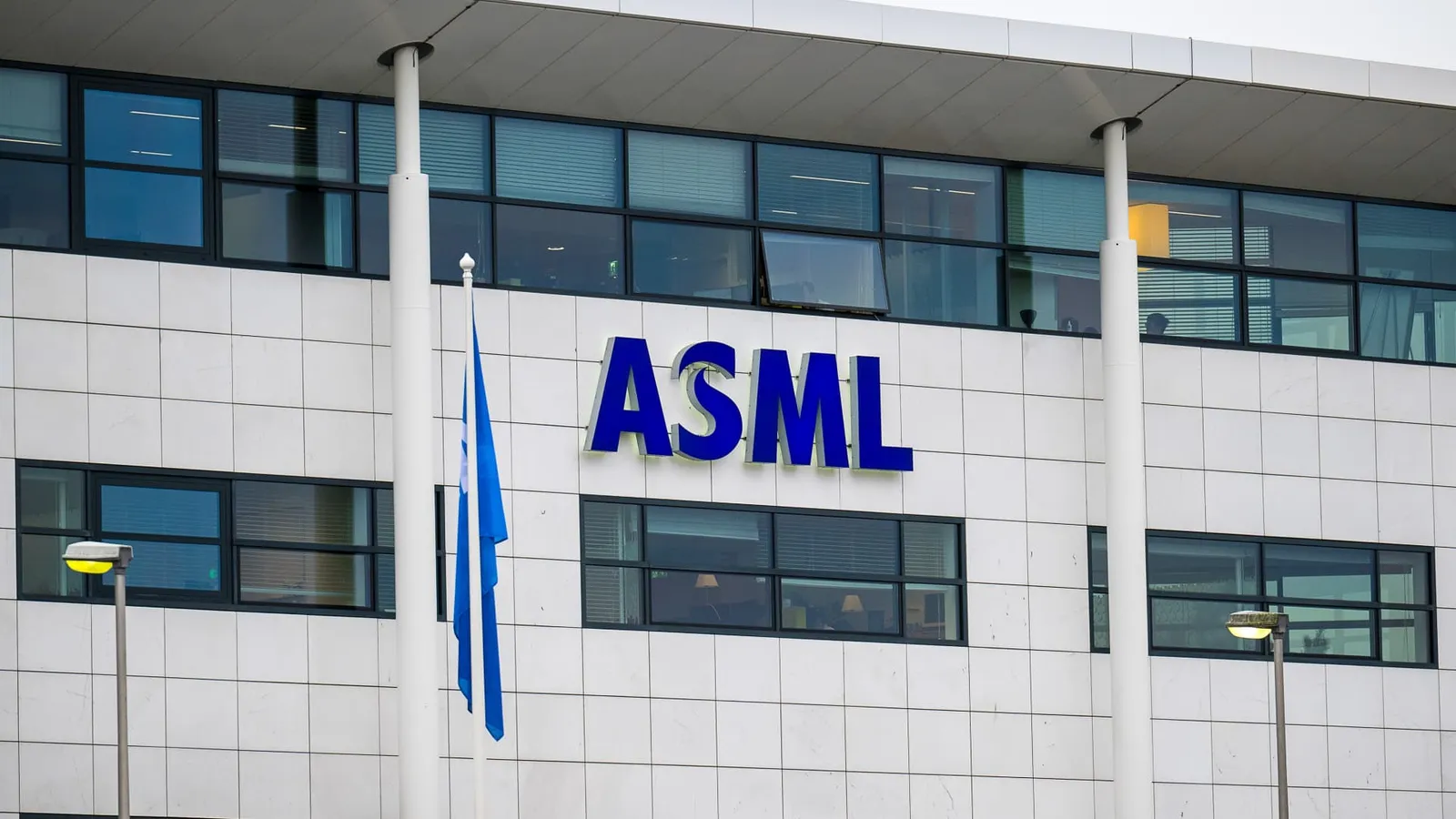
ASML is expected to make around a fifth of its 2026 net sales from China. The U.S.-China AI feud creates geopolitical headwinds that force ASML to balance sales ambitions against escalating political risk.
ASML is heading into 2026 with a big, very specific dependency: it expects around a fifth of its net sales to come from China. That sounds like a normal revenue planning assumption until you remember what “AI feud” actually means in practice. It means the technology supply chain is no longer just a manufacturing story. It is a policy story. And ASML sits in the middle of it.
If your board is asking, “What’s the downside to that China exposure?” the answer is not abstract. The source frames it as a “delicate situation” driven by geopolitical headwinds connected to the U.S.-China AI feud. The implication for decision-makers is straightforward: revenue concentration is not just a financial metric anymore, it is a governance issue. It affects how companies allocate capital, prioritize customer relationships, and decide how much operational flexibility they need to survive policy whiplash.
To understand why ASML’s tightrope matters, you have to zoom out one layer on how advanced semiconductor manufacturing works. ASML’s business is tied to cutting-edge lithography systems that semiconductor makers rely on to produce smaller, faster chips. Those chips are not just “tech products” anymore. They are inputs to AI training and inference, alongside everything else from consumer devices to data centers. When governments decide AI competition is strategic, they often translate that into export controls, licensing scrutiny, and restrictions on what can be shipped, to whom, and how quickly.
That is the core tension embedded in the source: the company has a financial target for China in 2026, but the geopolitical environment introduces uncertainty. “Around a fifth” is an estimate, not a contract. Even without new numbers in the source, the risk framing is clear. When policy headwinds rise, companies can see outcomes shift through channels that are hard to manage operationally. Demand can pause. Licenses can tighten. Delivery timelines can stretch. Or customers can restructure orders to comply with restrictions upstream or downstream in their own supply chains.
The delicate part for ASML is not only selling into China. It is navigating the political optics and regulatory reality that come with selling critical semiconductor equipment to a key geopolitical counterparty. In other industries, suppliers can pivot quickly. In semiconductors, the switching cost is high. Customers typically qualify equipment over long cycles. That increases the stakes for every decision ASML makes about customer engagement, backlog exposure, and the flexibility of its supply chain. From a board perspective, the question becomes: how much risk is concentrated in one country exposure when policy can change the commercial terms without notice?
There is also a second-order effect that boards should care about: the opportunity cost of maintaining optionality. If ASML has to prepare for stricter constraints, it may need to redirect planning resources, adjust sales prioritization, or invest in scenarios that keep compliance viable. Those are real costs, even if the company still captures a portion of revenue from China. The market tends to focus on revenue at first, but long-term valuation is heavily influenced by how resilient margins and guidance look under stress.
The source keeps the facts tight, but the stakes are broad. If ASML truly draws around a fifth of 2026 net sales from China, then U.S.-China geopolitical pressure can directly influence the financial trajectory that investors and peers track. For executives at other semiconductor-adjacent firms, the message is simple: “geopolitics” is not a headline category. It becomes a planning input, a risk register item, and a board-level debate about acceptable concentration. The companies that get ahead will not just watch the policy news. They will build models that translate that news into revenue timing, compliance execution, and customer behavior.
This story's Key Insights and Take-aways are locked.
Create a free account to unlock Executive Actions for one credit.
Register to UnlockAlways free for Executives Club members. Join the Club
More in Technology

Google quietly links your phone number to every Android account on your SIM
Adding a SIM now ties your phone number to all Google accounts - and future accounts inherit it. Here's the security and privacy stakes.

Hijacker AI 'Skynet mode' runs 100,000 attack steps against exposed models
Symantec caught a criminal AI agent that borrows other models, steals data, and mines crypto; the only relief is no confirmed victims yet.

Nvidia's AI-financier shift faces its first big test as neoclouds stumble
A rout in neocloud stocks is forcing investors to weigh Nvidia's hidden exposure as both supplier and lender to the AI buildout.