
Avatar Legends drops without ranked and paid DLC, and players call it a rug pull
Core fighting is solid, but missing launch modes and DLC spark fury, with Steam reviews split between praise and frustration.
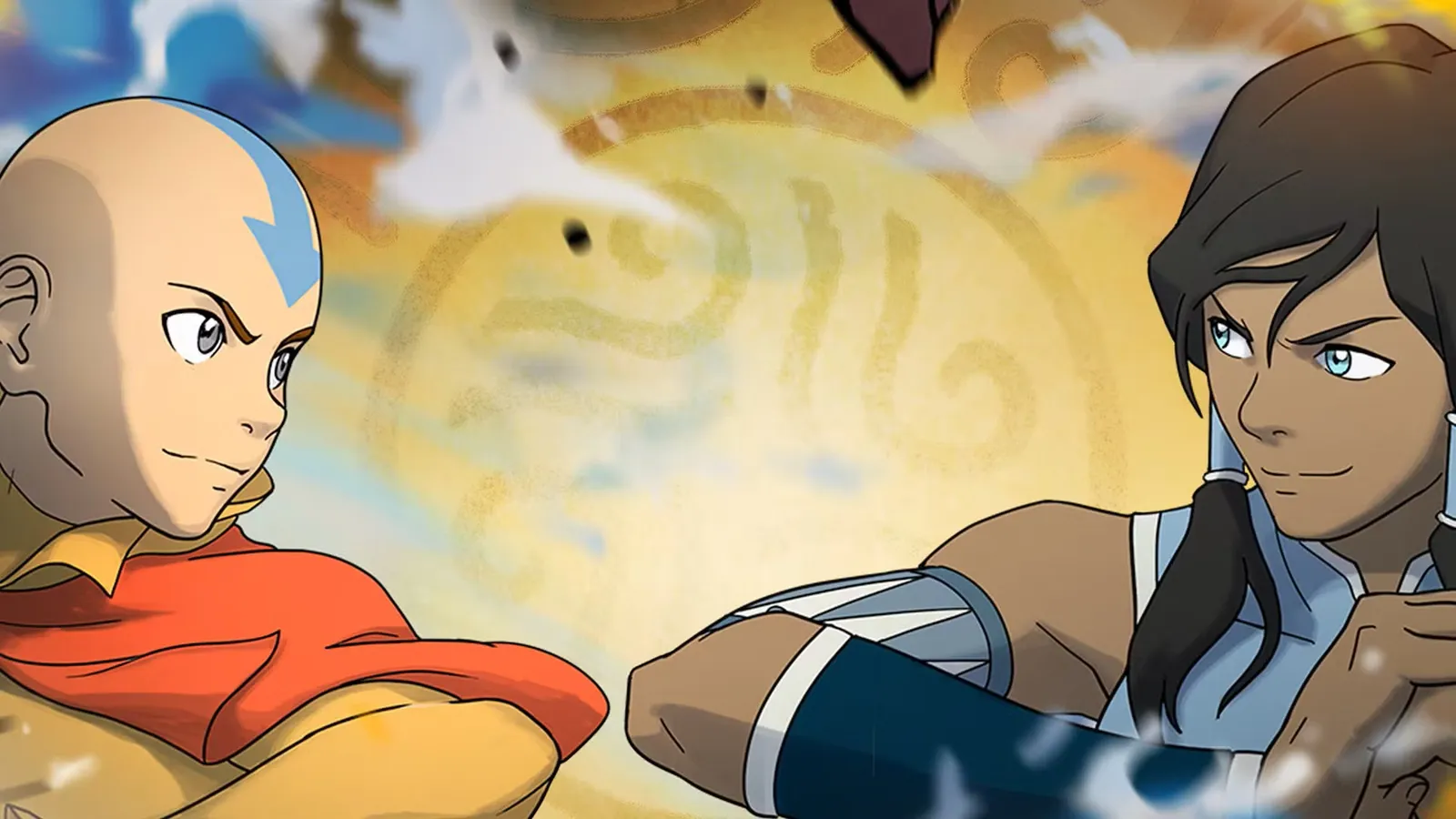
Avatar Legends: The Fighting Game launched yesterday with strong moment-to-moment combat but shipped without a ranked mode and without some DLC players say they paid for. For decision-makers, the consequence is simple: when launch content gaps collide with live-service expectations, reputation and retention take the hit fast.
Avatar Legends: The Fighting Game launched yesterday, and for a lot of players the first impression is a blunt contradiction. The core fights are being praised as excellent, the kind of gameplay that makes people finally feel like Avatar got a properly playable video game. But the surrounding package is missing critical pieces players expected. That mismatch is why many players are calling the launch a "rug pull," saying key modes advertised days before release are not in the game yet.
The specific points of friction are not subtle. The game launched without a ranked mode, and it also does not include DLC that players say they paid for. While the center of the game is getting love, the “whole thing” feeling is where the anger lives. On Steam, the game sits at a 73% "Mostly Positive" rating, with reviews praising its central battles while criticizing almost everything else. That split matters because it tells you the product is good enough to draw attention, but not good enough at launch to earn trust.
This is a familiar tension in modern game launches, especially for titles built around ongoing progression and community competition. Ranked modes are not just a feature. They are a promise about what players can do after the novelty wears off, how progress will be measured, and how the game will keep learning from its own ecosystem. When ranked is missing at launch, players do not just lose a mode. They lose a framework for their time. That can quickly turn “great core gameplay” into “great core gameplay I might not stick around for,” because the game does not yet support the behavioral loop players are trying to enter.
DLC gaps raise the stakes further. Players paying for downloadable content typically anchors expectations around timelines, availability, and what exactly they are buying. When DLC content that players say they paid for is not included at launch, the issue stops being a simple “early days” problem and becomes a trust problem. Even if the missing items are planned for later, the initial experience determines whether players feel informed or misled. In live-service culture, delay is often survivable. Confidently advertised but missing content is where reputations burn.
The angry comparisons to an unadvertised Early Access launch are the clearest signal that players believe the product shipped in a state that should have been communicated differently. That framing matters because Early Access, in theory, is an explicit contract with players: you get the game earlier, and you accept that it is incomplete. If players feel they were not given that contract, then even fixes can arrive too late to prevent the initial emotional hit. From a business perspective, that is the classic second-order effect of launch messaging: the issue is not only what is missing, it is how the community interprets why it is missing.
There is also an accountability angle for companies operating in this space. Platforms like Steam give players a public scoreboard in the form of ratings and reviews, and those signals get aggregated into overall sentiment quickly. A 73% "Mostly Positive" score is not catastrophic, but the content of the reviews is doing the real work: praise for central battles paired with criticism for almost everything else. That pattern usually means the core design is strong, yet the execution around packaging, modes, and content delivery is weak. For executives, that is the risk profile: great gameplay can attract players, but weak launch structure can cap long-term growth.
Strategically, the stakes extend beyond one title. Competitors watch Steam sentiment because it is a real-time indicator of where players are willing to forgive and where they are done. If the industry learns the wrong lesson from this moment, you get a cycle of “ship first, patch later” that becomes increasingly expensive in reputation capital. For boards and leadership teams, the lesson is operational: make sure what is advertised days before release is either already in the product or communicated as clearly staged. Otherwise, every fix becomes a re-litigation of trust.
If you are an investor, producer, or operator in games, the takeaway is painfully clear. Avatar Legends: The Fighting Game has a fighting game core that players are actively enjoying, but its launch package is failing the expectations test, specifically around ranked mode and DLC. When the community labels it a "rug pull" and points to missing advertised modes, you are not just dealing with bugs. You are dealing with a product narrative that starts leaking credibility on day one. That kind of momentum is hard to reverse, even when the gameplay is good.
This story's Key Insights and Take-aways are locked.
Create a free account to unlock Executive Actions for one credit.
Register to UnlockAlways free for Executives Club members. Join the Club
More in Entertainment

'It's a Magic Trick': Ballet Experts Say Rosalía's SNL Pose Is Impossible
Three ballet experts tell Rolling Stone Rosalía's gravity-defying SNL stillness shouldn't be possible - and why the debate is now part of the show.

Activision CMO: GTA 6 Will Boost Call of Duty, Not Bury It
Activision's top marketer says Rockstar's blockbuster will drive players back to consoles and into Modern Warfare 4, even as the company admits its recent strategy failed.
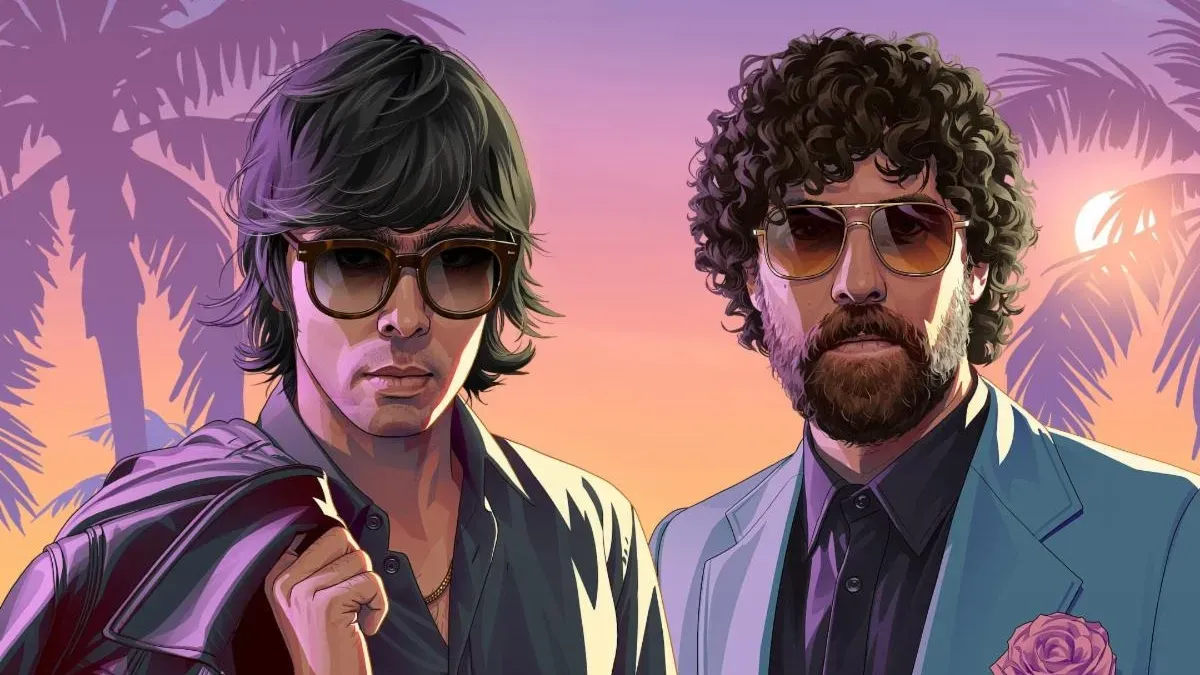
Justice to Score GTA 6, Share New Song with Tame Impala, SZA, King Gizzard
Rockstar taps the French duo for the GTA VI score, and the first taste is a genre-melting collab with Tame Impala, SZA, and King Gizzard & The Lizard Wizard.