

Baldur’s Gate 3 adds a new Astarion endgame cutscene to complete his arc
A new final moment lets players spend more time with Astarion’s story, no matter which path they took.
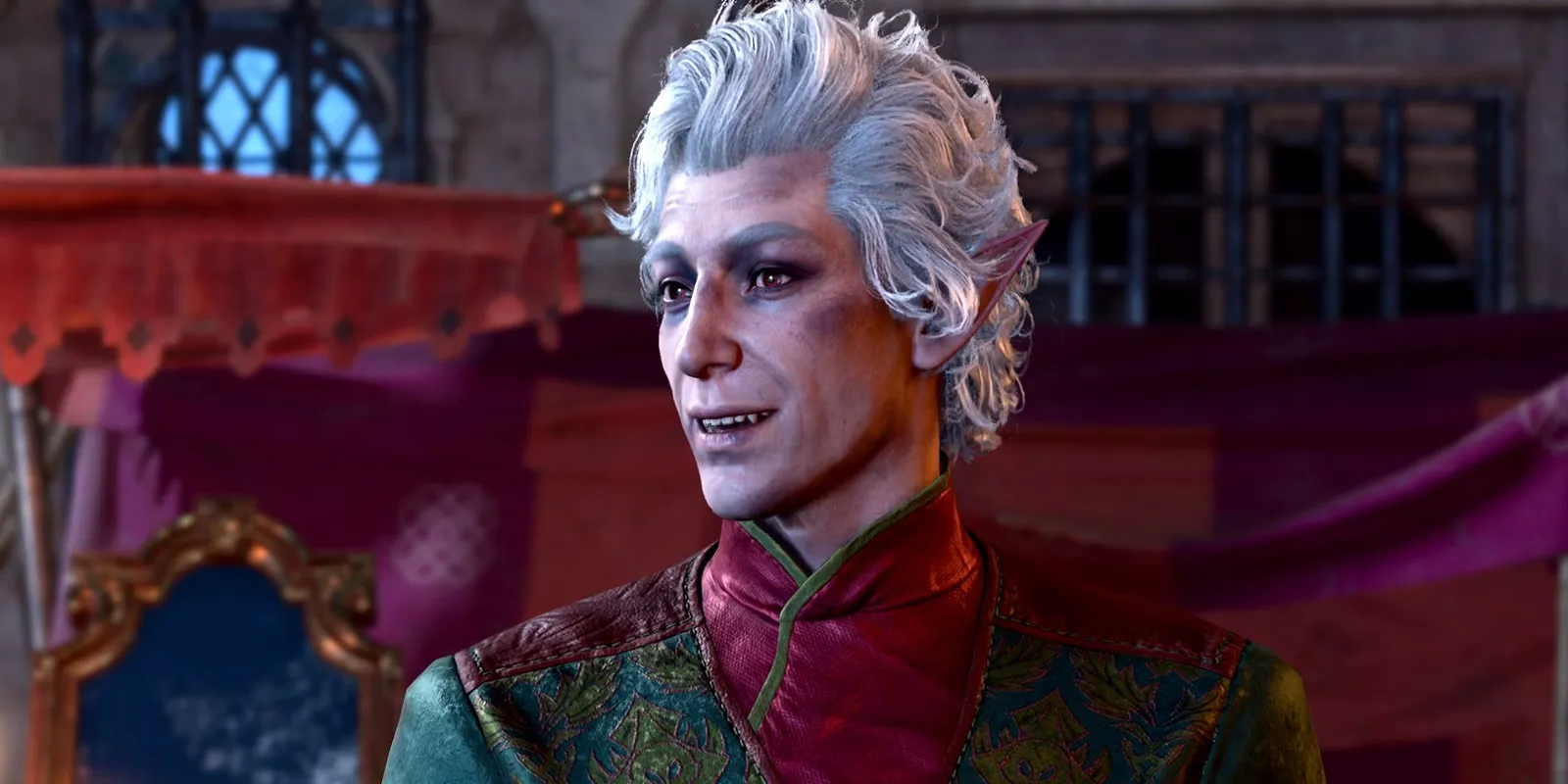
Baldur's Gate 3 has introduced a new endgame cutscene that finishes Astarion's story, extending the vampire spawn's narrative climax. For decision-makers, it is another example of how live content can extend engagement and monetization windows by deepening fan-favorite arcs.
Baldur’s Gate 3 is adding a new endgame cutscene that finishes Astarion’s story, giving players an additional final moment with the vampire spawn. The point is simple and kind of irresistible: Astarion arguably steals the show, and now there is a way to spend even more time with the character at the end of the journey.
This new cutscene matters because Astarion’s arc is not a shallow side quest you can forget. ScreenRant frames him as initially heartless offhandedly, but the full narrative arc reveals something more layered, built on extensive trauma. If you have ever watched a character “feel cold” at first and then later realize the cruelty was armor, this is that payoff, and the cutscene is designed to close the loop on the emotional story you build across the game.
For operators and content strategists, this is a clean example of how narrative extensions work better than generic “more content.” The source emphasizes that voice actor Neil Newbon delivers climactic scenes regardless of which path you choose for Astarion. That detail is key: it means the game is not forcing one canonical outcome on everyone. Instead, it adapts the endgame moment to reflect player choice, which is exactly how you keep the audience from feeling railroaded.
Now zoom out to how this translates into audience behavior. Baldur’s Gate 3 is a single-player experience with strong character attachment. In that kind of product, retention is not driven by daily task loops. It is driven by repeat playthroughs, theorycrafting, and “I want to see what changes.” When a new endgame cutscene drops, it can restart that engine: players who finished months ago have a reason to return, and players mid-run have a reason to keep going. Even without new mechanics or systemic overhauls, a final-scene upgrade can move the needle.
There is also an incentives angle for boards and senior leaders. ScreenRant positions Astarion as “arguably” the standout character, and the fact that a studio would invest in closing his story is a signal. When studios allocate development time to a fan-favorite arc, they are betting that emotional completion drives engagement more reliably than broad-but-vague updates. In plain English: rather than asking everyone to care about everything, you give the most invested group a reason to stay invested.
Regulatory background may sound out of place for a cutscene, but it is not irrelevant for decision-makers. Game content typically intersects with ratings boards and consumer protection frameworks, especially when it involves mature themes like those commonly associated with vampire characters and trauma-based narratives. The source does not discuss ratings or compliance steps, so we cannot invent details. But the larger point remains: studios that add new narrative scenes need to ensure the additional material fits within existing classification and consumer expectations. Narrative continuity is not just an art decision, it is also a risk management one.
Second-order implications show up in community sentiment and lifecycle planning. Astarion is iconic, and ScreenRant’s framing is that he “steals the show.” When a new endgame cutscene “finishes” his story, it can reduce the common fan frustration of unresolved character threads. That can improve word-of-mouth, lower churn among highly engaged players, and encourage creators to revisit the character’s arc. This is how a story-driven title sustains cultural relevance after its initial wave.
For executives and product leaders in adjacent businesses, the strategic stake is clear. Live updates are not only about patching bugs or adding systems. Sometimes the highest ROI move is to deepen the emotional contract with the audience. Baldur’s Gate 3 is effectively telling players: we heard you, we saw how much Astarion mattered, and now there is one more final moment to make the arc land. If you are leading a creator economy platform or managing a narrative-first product, that is the play to study.
This story's Key Insights and Take-aways are locked.
Create a free account to unlock Executive Actions for one credit.
Register to UnlockAlways free for Executives Club members. Join the Club
More in Entertainment

12TB Steam 'teraleak' goes beyond Valve: GTA 3, Mafia 2 prototypes exposed
A 12-terabyte dump of Steam data reveals prototypes and builds of third-party classics like GTA 3 and Mafia 2, plus unreleased Valve content, rewriting game history.

LinkedIn's romance problem: 1 in 4 workers say dating on it is fair game
A new survey shows a quarter of U.S. employees treat the professional network as fair game for romance, even as LinkedIn bans it and removes hundreds of thousands of offending posts.

Enhypen's first No. 1 album breaks K-pop's Billboard 200 streak
The K-pop group's 98,000-unit debut tops the chart while Dolly Parton's catalog reentry shows how death reshapes streaming.