
Bam Margera says Jackass reunion “is not going to happen,” no bad blood
The pro skater walks away from a comeback narrative, while quietly keeping the door open to respect.
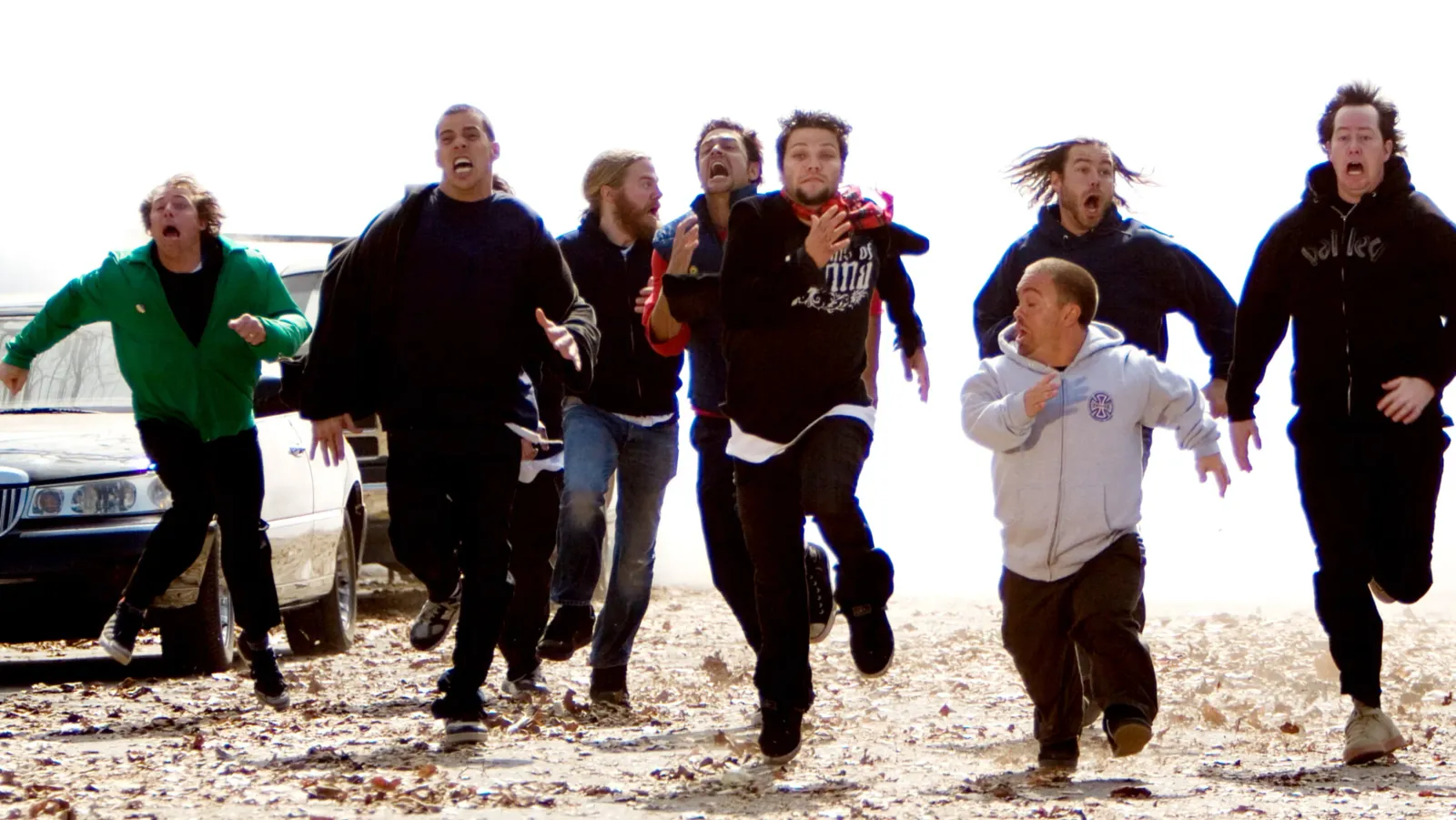
Bam Margera, the pro skater formerly tied to the Jackass stunt franchise, says a reunion for the film “Jackass: Best & Last” is “not going to happen.” He also stresses he “doesn’t have any bad blood” toward his former co-stars despite a 2021 falling out.
Bam Margera says he plans to watch “Jackass: Best & Last,” but he also insists that a reunion is “not going to happen.” That combination matters because it cuts against the usual entertainment script: when a famous split happens, audiences expect either a full feud or a dramatic comeback. Margera is doing neither. Instead, he is drawing a clean line between watching the final on-screen chapter and staging a fresh one off camera.
In the wake of his 2021 falling out with the Jackass guys, Margera said he “doesn’t have any bad blood” toward his former co-stars from the stunt franchise. In other words, the breakup did not turn into a permanent burn. He is not trashing anyone from the crew, and he is not positioning the moment as payback. He’s also not making it ambiguous. “Not going to happen” is direct language, and it answers the most obvious question fans have been asking since the 2021 rupture: will the finale become a catalyst for reconciliation?
To understand why this is more than celebrity gossip, look at how stunt and ensemble brands work. Jackass is not just a show. It is a tight, repeatable chemistry between performers who share risk, improv in front of chaos, and build a shared vocabulary of stunts and personas. When that chemistry fractures, the brand has to decide whether it can survive with the remaining cast, whether it should keep moving forward, or whether it should pause to repair relationships that took time and trust to build.
Margera’s framing suggests the repair piece is not on the table, at least not in the form fans would recognize as a reunion. But he’s also signaling something many entertainment executives care about: de-escalation. “No bad blood” is a reputational posture that reduces the chance of new flare-ups, legal threats, or messy publicity cycles. Even if a business side wants to monetize nostalgia, a calm relationship profile makes it easier to do so without turning every promotional beat into a controversy.
There is also a market logic hiding in plain sight. “Jackass: Best & Last” is described as the final onscreen outing. Final installments create a spike in attention, and attention is money. When a key figure like Margera says he will watch the project but will not reunite, it reframes how the audience might interpret the ending. Instead of seeing the finale as a springboard for a reunion arc, viewers may treat it as a closed chapter. That can be good for brand clarity. It can also be good for the remaining creative team, because it limits the likelihood that the final product becomes hostage to speculation about what comes next.
From an operator or investor perspective, the bigger takeaway is how narratives affect production risk. Ensemble franchises depend on coordination and trust. If there is unresolved conflict, production becomes more unpredictable. If there is only distance with mutual respect, production can proceed with fewer friction points. Margera’s remarks, as summarized in the source, point toward distance without animosity. That distinction can change how teams plan future projects, negotiate appearances, and manage stakeholder expectations.
If you are a board member, producer, or brand executive, you can translate this into a broader governance lesson. Public splits often force stakeholders into binary choices: cut ties entirely, or gamble on reconciliation. Margera is effectively modeling a third path. He is acknowledging the final project, reinforcing that there is no lingering hatred, and then rejecting the reunion storyline. That combination tells decision-makers that the “how” of relationships matters as much as the “whether.”
Strategically, peers in similar roles should notice the signal this sends to audiences and collaborators. Margera is not saying he is unable to engage, he is saying a specific outcome is “not going to happen.” That is a boundary. Boundaries reduce churn, and in entertainment, churn is the enemy. For teams managing ensemble talent, the goal is to protect continuity so the work can land without getting stuck in the fanbase’s demand for reconciliation beats. Margera’s message may be simple, but it clears the air, and in a franchise built on risk, a little clarity is its own kind of safety.
This story's Key Insights and Take-aways are locked.
Create a free account to unlock Executive Actions for one credit.
Register to UnlockAlways free for Executives Club members. Join the Club
More in Entertainment

Russell Brand's accuser 'bewildered and confused' as he denies 7 sex charges
The criminal case against the comedian is a live test of how media companies manage talent risk when serious allegations go public.

'It's a Magic Trick': Ballet Experts Say Rosalía's SNL Pose Is Impossible
Three ballet experts tell Rolling Stone Rosalía's gravity-defying SNL stillness shouldn't be possible - and why the debate is now part of the show.

Activision CMO: GTA 6 Will Boost Call of Duty, Not Bury It
Activision's top marketer says Rockstar's blockbuster will drive players back to consoles and into Modern Warfare 4, even as the company admits its recent strategy failed.