

Bank of America shares drop 8% on trading miss and $1.2B Treasury fine
A $1.2 billion Treasury fine and weak trading revenue sent Bank of America shares down 8% - here's what it signals for big-bank earnings season.
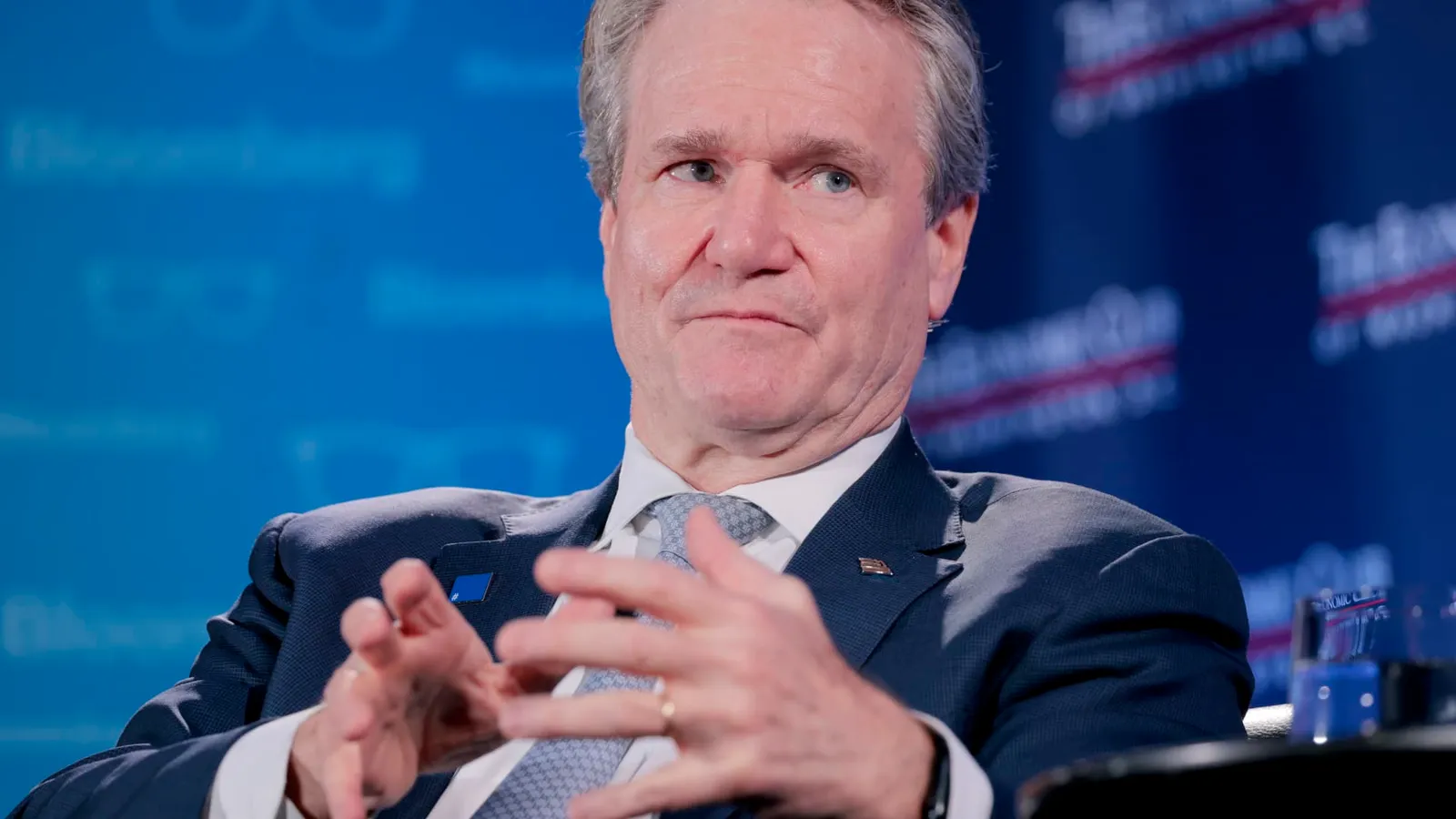
Bank of America reported third-quarter revenue that missed expectations, dragged by weaker trading revenue and a $1.2 billion Treasury fine, sending shares down 8%. For decision-makers, the drop underscores how regulatory penalties and market volatility are squeezing the largest U.S. lenders heading into earnings season.
Bank of America shares fell 8% on Wednesday after the bank reported third-quarter revenue that missed analyst expectations, weighed down by weaker-than-expected trading revenue and a $1.2 billion Treasury fine. The penalty, which the bank disclosed alongside its earnings, directly reduced profits and amplified the revenue shortfall. For a stock that had been a steady performer in the financial sector, the one-day drop was a stark reminder that even the biggest banks are not immune to regulatory and market shocks.
The revenue miss was driven by a shortfall in trading revenue, a key profit center for large banks. While the source did not specify the exact dollar amount of the miss, the combination of the fine and the trading weakness pushed the bank's results below Wall Street's expectations. The $1.2 billion Treasury fine is a significant regulatory penalty, and its impact on quarterly earnings underscores how compliance costs can bite into profitability. Investors reacted swiftly, selling off shares and dragging the stock down 8% in a single session.
Bank of America is one of the largest U.S. lenders, with a balance sheet that makes it a bellwether for the broader banking industry. Its earnings are closely watched by investors, analysts, and competitors alike. The 8% decline is particularly striking because the bank has historically been seen as a relatively stable, well-managed institution. The drop suggests that the market is not just reacting to the numbers themselves, but to what they signal about the health of trading operations and the regulatory environment.
The Treasury fine adds to a growing list of regulatory penalties across the banking sector. In recent years, regulators have intensified scrutiny of banks' activities in Treasury markets, including issues around market manipulation, reporting, and capital treatment. While the specific details of this fine were not disclosed in the source, the size of the penalty - $1.2 billion - is substantial and will likely prompt other banks to review their own compliance frameworks. For executives, this is a reminder that regulatory risk is a permanent feature of the banking landscape.
The trading revenue miss is also a concern for the broader industry. Trading revenue at large banks is often volatile, tied to market conditions, client activity, and geopolitical events. A miss at Bank of America could signal that the third quarter was a challenging period for trading desks across Wall Street. This is especially relevant as other major banks, including JPMorgan, Citigroup, and Wells Fargo, are set to report their own earnings in the coming days. Investors will be watching to see whether this is a bank-specific issue or a sector-wide trend.
For CFOs and treasurers, the implications are twofold. First, the fine highlights the cost of non-compliance and the importance of robust regulatory controls. Second, the trading revenue miss underscores the difficulty of forecasting revenue in volatile markets. Banks may need to adjust their guidance, capital allocation, and risk management strategies in response. The 8% stock drop also serves as a warning that investors have little tolerance for surprises, especially when they involve regulatory penalties.
The market's reaction also raises questions about Bank of America's forward outlook. If trading revenue remains weak and regulatory costs continue to mount, the bank may face pressure to cut costs or rethink its business lines. For now, the immediate focus is on the bank's response to the fine and whether it can reassure investors that the revenue miss was a one-off. The stock's decline suggests that the market is not yet convinced.
For executives at other financial institutions, the takeaway is clear: regulatory penalties and trading revenue swings can hit even the most stable banks. The best defense is a strong compliance culture, conservative revenue guidance, and a clear communication strategy for when things go wrong. As earnings season unfolds, expect more volatility in bank stocks as investors parse the impact of fines, trading conditions, and the broader economic outlook.
This story's Key Insights and Take-aways are locked.
Create a free account to unlock Executive Actions for one credit.
Register to UnlockAlways free for Executives Club members. Join the Club
More in Business

Elon Musk unveils a flying car, and SpaceX helped build it
The Tesla CEO's showcase at a SpaceX facility signals a future where road and rocket engineering converge.

Apple's $2,000 iPhone Duo opens preorders, taking on Samsung and Google
Apple's first foldable hits the market at a premium price, reshaping a category Samsung and Google have led.

Pope Leo XIV, first American pope, diagnosed with lung cancer
The 71-year-old Chicago-born pontiff underwent successful surgery on his right lung, and his diagnosis raises new questions about his AI-focused papacy and the Vatican's future.