
Bethesda confirms Fallout 5 pre-production, even as Elder Scrolls 6 remains years out
What Bethesda and Obsidian’s Fallout roadmap signals for pipeline risk, capital allocation, and release strategy.
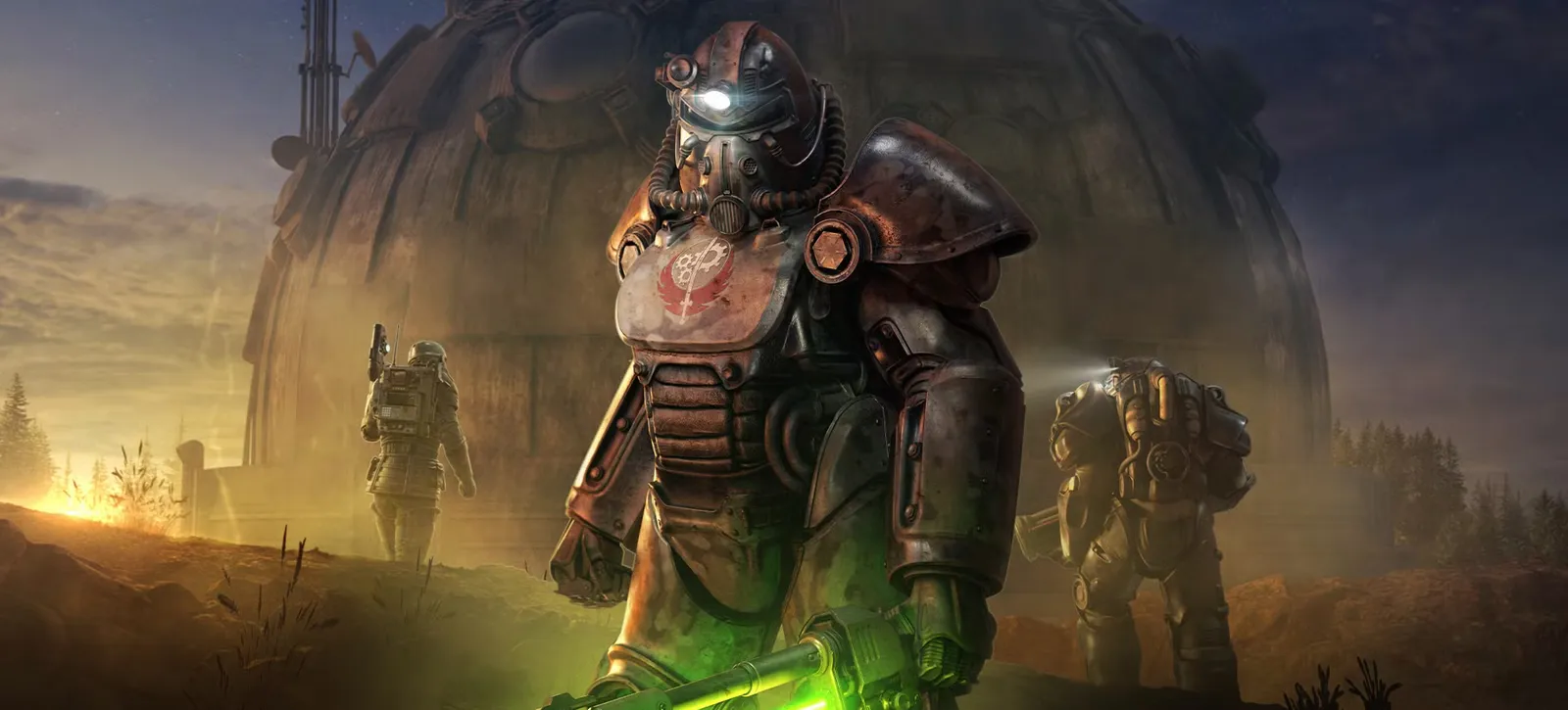
Bethesda Game Studios confirmed in a wide-ranging studio update that Fallout 5 is in pre-production. For decision-makers, it reshuffles the expected timing of major RPG releases and raises the stakes around pipeline planning.
For months, the smartest bet in Bethesda’s future looked boring in the way that only schedule certainty can be boring. The Elder Scrolls 6 was widely expected to be at least a couple of years away, which made Fallout 5 feel like wishcasting. That assumption gets punctured in a wide-ranging update about Bethesda Game Studios’ future, where the company revealed something different: Fallout 5 development is actively underway.
In the update, Bethesda Game Studios confirmed that Fallout 5 is in pre-production. And it did not stop there. The studio also indicated that Fallout is not a single-project story anymore, but a broader platform effort, with “many new Fallout games” in development across Bethesda and Obsidian. In other words, Fallout 5 is real, and it is being planned inside a bigger pipeline rather than treated as a one-off comeback.
Why this matters, especially for executives and investors, is that games production is a pipeline problem before it is a creativity problem. When one flagship franchise has an uncertain timeline, studios typically have to decide whether to staff up for a long sequel runway or to diversify with parallel projects that can share teams, technology, and learnings. Bethesda’s confirmation that Fallout 5 is in pre-production while simultaneously running multiple Fallout efforts suggests the studio is choosing diversification. That reduces the risk of “everything depends on one sequel hitting its date,” which is one of the most expensive kinds of schedule risk in entertainment.
There is also a strategic calendar knock-on effect. If Elder Scrolls 6 is still at least a couple of years away, Bethesda’s ability to keep the brand momentum alive becomes a question of what can ship, not what can be imagined. Fallout, as a long-running post-apocalyptic RPG series, has built-in audience habits. A studio that can maintain visibility with multiple Fallout games in development gives it more chances to find a release window that matches both internal readiness and external demand.
The other big implication here is organizational. Bethesda Game Studios is not doing this alone in the Fallout layer. The update points to multiple new Fallout games in development at both Bethesda and Obsidian. That is a sign of portfolio thinking: Obsidian is often associated with its own design identity, and bringing it into a broader Fallout roadmap can help with workload distribution, variety in design approaches, and potentially faster iteration cycles, depending on how teams are structured.
Now add the realities of the modern games environment. Even without any specific regulatory detail in the source, executives know that the risk surface for big publishers now includes content scrutiny, platform policies, and consumer safety expectations that can vary by region and storefront. When development stretches across multiple titles and studios, compliance needs to be baked into production, not bolted on at the end. A diversified Fallout pipeline can be an advantage, but only if governance is tight enough to keep quality and policy alignment from turning into a bottleneck.
Finally, consider what this means for second-order planning inside Bethesda and for peers watching from the sidelines. If Fallout 5 is in pre-production, the studio is already making bets about staffing, production cadence, and tech direction. Meanwhile, running “many new Fallout games” in development means leadership has to manage attention and resources carefully, so one headline project does not cannibalize others. For other studios and partners, the competitive question becomes: can you match the cadence, or do you risk falling into a long drought where audience focus moves elsewhere?
In short, Bethesda’s update doesn’t just confirm Fallout 5. It signals that Fallout is being treated like a multi-title engine, with Bethesda Game Studios and Obsidian contributing to the output. For decision-makers, the strategic stake is timing and throughput: how to keep major franchises active without overloading teams, and how to turn brand equity into a pipeline that can survive delays. Fallout 5 being in pre-production is the headline. The real story is the roadmap behind it.
This story's Key Insights and Take-aways are locked.
Create a free account to unlock Executive Actions for one credit.
Register to UnlockAlways free for Executives Club members. Join the Club
More in Entertainment

12TB Steam 'teraleak' goes beyond Valve: GTA 3, Mafia 2 prototypes exposed
A 12-terabyte dump of Steam data reveals prototypes and builds of third-party classics like GTA 3 and Mafia 2, plus unreleased Valve content, rewriting game history.

LinkedIn's romance problem: 1 in 4 workers say dating on it is fair game
A new survey shows a quarter of U.S. employees treat the professional network as fair game for romance, even as LinkedIn bans it and removes hundreds of thousands of offending posts.

Enhypen's first No. 1 album breaks K-pop's Billboard 200 streak
The K-pop group's 98,000-unit debut tops the chart while Dolly Parton's catalog reentry shows how death reshapes streaming.