
Blade Runner 2099 drops at SDCC with a noir myth arc and “humans lost” premise
Prime Video’s first ten-episode teaser reframes the Blade Runner universe, and the hunt becomes the point.
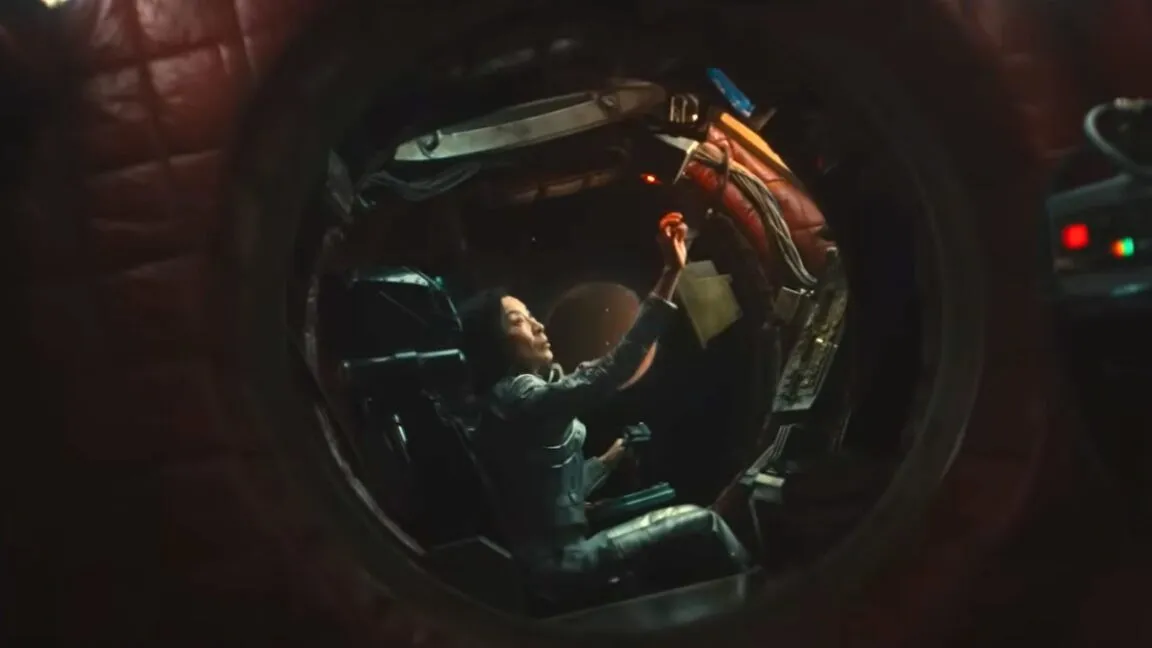
Prime Video debuted the first teaser for Blade Runner 2099, its new ten-episode series, at San Diego Comic-Con on Friday. The reveal included showrunner Silka Luisa (Shining Girls) and an exclusive clip, plus a clear tonal thesis about noir principles, mythology, and a world where humans are hunted.
Prime Video showed the first teaser for its new ten-episode series, Blade Runner 2099, at San Diego Comic-Con on Friday. And unlike most “teaser” moments that feel like atmosphere packaged as plot, this one comes with a concrete premise: an uprising has occurred, humans lost, and they are now the hunted second-class citizens.
That framing is the headline stake for decision-makers and operators watching premium streaming franchises: Blade Runner 2099 is positioning itself as a story about what happens after humanity’s relevance collapses, not just a reboot with neon. Showrunner Silka Luisa, joined onstage by Yeoh and Schafer, described the series as staying true to the original Blade Runner’s “noir principles... and there's a mystery at the heart of the show that looks both forwards and backwards in terms of mythology.” The event also included an exclusive clip shown to the audience, giving the franchise a tonal handshake beyond the usual “coming soon” fog.
If you are tracking streaming as a market, this kind of pivot matters. The Blade Runner brand already signals a certain kind of adult sci-fi, but the SDCC messaging is pushing the question from spectacle to identity: Luisa said the show is “really imagining what comes after us, and what does it mean to be human in a world where humanity is no longer relevant.” That is not just thematic. It is a directing choice that influences how audiences choose what to watch, how critics will frame the series, and how platforms justify spend on long arcs.
From a production and portfolio standpoint, Blade Runner 2099 arrives after nearly five years since Ridley Scott first announced plans for a TV spinoff of his sci-fi masterpiece, first Blade Runner (1982) and later Blade Runner 2049 (2017). In other words, this is not an impulse adaptation. It is the output of a long runway where creative direction has to survive multiple cycles of planning, market shifts, and audience evolution. That long gestation can be a strength if it produces a clear thesis, and the SDCC teaser messaging suggests exactly that, with noir principles and a forward-and-back mythology mystery.
There is also a subtle, board-level implication: premium franchises are increasingly judged on whether they can expand a universe without diluting it. “Noir principles” is a specificity that functions like a promise to legacy fans, while “mystery at the heart of the show” that looks both forwards and backwards gives new viewers a narrative entry point. When show messaging is this crisp, it reduces the risk that marketing overpromises and the series underdelivers on tone and structure, a problem that can hit subscription retention and renewals if episodes miss the brand promise.
And yes, the SDCC lineup signals broader platform competition. Ars noted that, alongside Blade Runner 2099, Prime Video also debuted a teaser for the third season of Rings of Power at the same event. That matters because streaming strategies are rarely single-title plays. Platforms build “baskets” of audiences. If Blade Runner 2099 successfully captures a niche craving for adult sci-fi noir with myth density, it becomes another durable asset in the catalog, supporting engagement patterns that are not only about opening-week numbers but about ongoing subscriber stickiness.
Meanwhile, HBO’s Lanterns got a new trailer, and the broader panel ecosystem included Spaceballs: The New One. Why mention that in an executive briefing? Because it is a reminder that attention is the scarcity. SDCC is where platforms and studios compete for mindshare with their biggest genre bets. When Blade Runner 2099 stakes its identity on “noir principles” and a humanity reversal, it is effectively trying to win an audience segment that might otherwise default to other premium genre offerings.
From the regulatory angle, the source does not provide jurisdiction-specific policy details, but there is a general reality for executives: global distribution and brand IP control can intersect with content ratings and cultural compliance expectations, especially for properties that lean into violence, dystopia, and identity themes. Even without new regulations cited in the article, the “uprising,” “humans lost,” and “hunted second-class citizens” framing suggests story content that will be scrutinized for appropriateness across markets. Studios and platforms typically plan around this early, because ratings outcomes can affect marketing windows and launch territories.
Strategically, the second-order implication is simple: if Blade Runner 2099 lands, it helps normalize a particular kind of franchise storytelling for adult audiences. It says the series can be both myth-forward and character-identity backward, with noir tone as the glue. For executives deciding where to allocate development budgets, where to focus marketing creative, and how to plan subscriber retention calendars, the takeaway is that this is not merely a new entry in a known universe. It is an attempt to reset the emotional contract, by making the audience live inside the consequences of the uprising where humans do not win.
This story's Key Insights and Take-aways are locked.
Create a free account to unlock Executive Actions for one credit.
Register to UnlockAlways free for Executives Club members. Join the Club
More in Entertainment

'It's a Magic Trick': Ballet Experts Say Rosalía's SNL Pose Is Impossible
Three ballet experts tell Rolling Stone Rosalía's gravity-defying SNL stillness shouldn't be possible - and why the debate is now part of the show.

Activision CMO: GTA 6 Will Boost Call of Duty, Not Bury It
Activision's top marketer says Rockstar's blockbuster will drive players back to consoles and into Modern Warfare 4, even as the company admits its recent strategy failed.
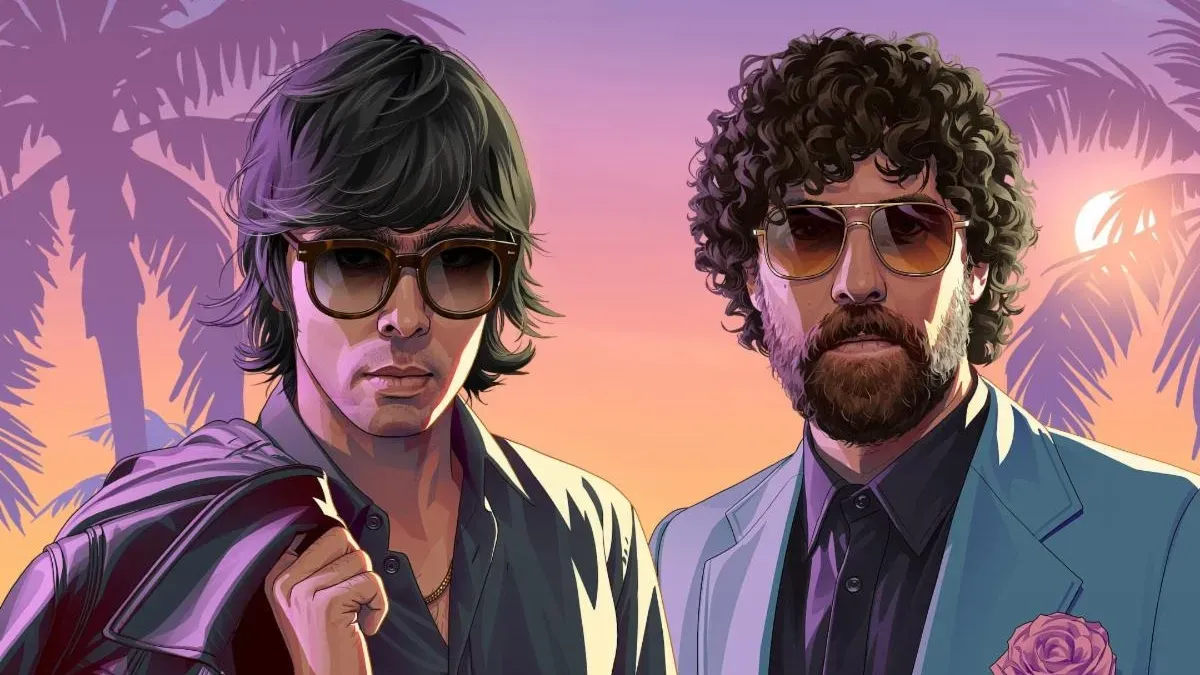
Justice to Score GTA 6, Share New Song with Tame Impala, SZA, King Gizzard
Rockstar taps the French duo for the GTA VI score, and the first taste is a genre-melting collab with Tame Impala, SZA, and King Gizzard & The Lizard Wizard.