

‘Blade Runner 2099’ drops its first Prime Video trailer at Comic-Con
Prime Video reveals the live-action sequel to Ridley Scott’s future-shock franchise, with big streaming and IP stakes.
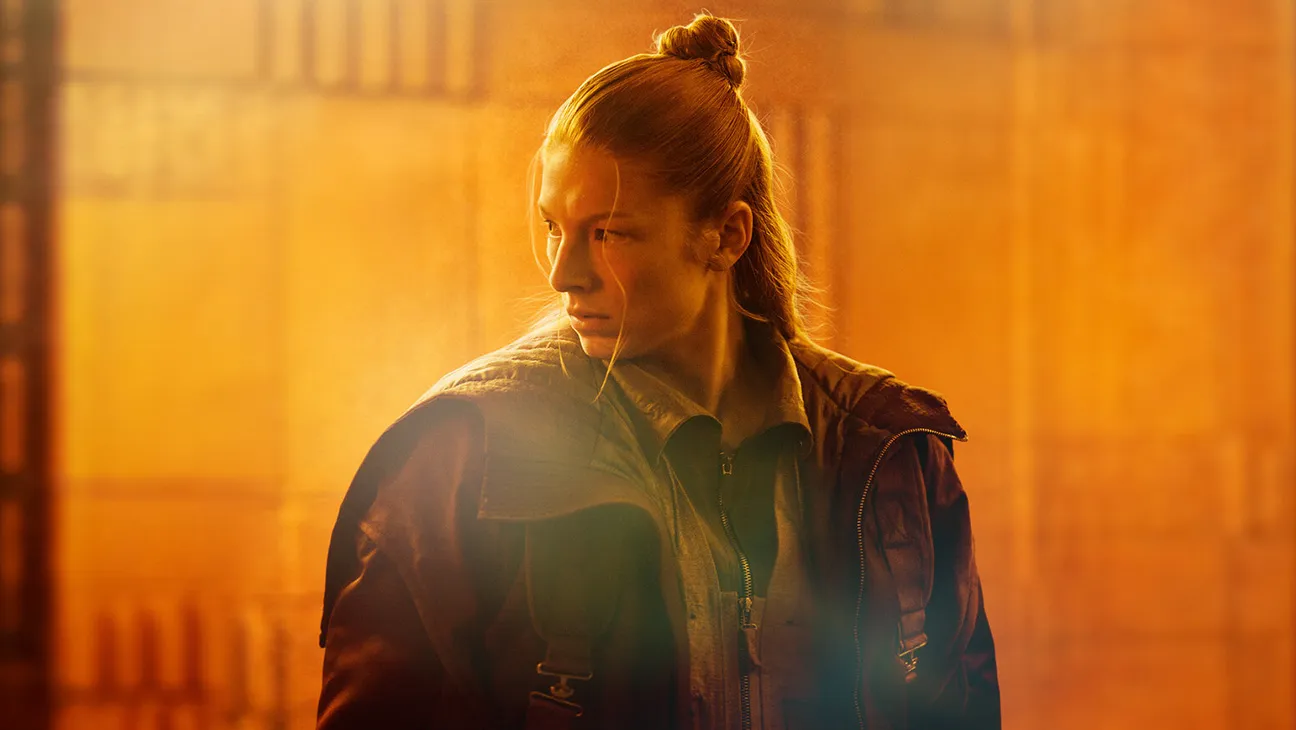
Prime Video unveiled the first trailer for its live-action sci-fi sequel, ‘Blade Runner 2099,’ at Comic-Con. The release signals how aggressively streamers are investing in premium IP to win long-term attention, not just weekend buzz.
Prime Video brought ‘Blade Runner 2099’ into the spotlight at Comic-Con by unveiling the franchise’s first trailer, delivering a live-action sequel that builds on Ridley Scott’s future-shock world. If you are trying to understand where entertainment budgets and executive attention are going, this is the tell. Not a trailer because it is cute, but a trailer because it is a strategy. Prime Video is leaning into a legacy IP that already has cultural gravity, and it is doing it in a venue built to turn audience excitement into industry signal.
For decision-makers, the immediate takeaway is simple: ‘Blade Runner 2099’ is positioned as Prime Video’s premium sci-fi play, and the debut trailer is the opening move in what is usually a longer campaign arc. The Hollywood Reporter described this as the first look at Prime Video’s live-action sequel, calling it part of the “future-shock classics” lineage tied to Ridley Scott. That matters, because in streaming, premium properties are often less about one release and more about the compounding effect of brand trust. When a platform can attach itself to a recognized universe, it can reduce some of the “will audiences care?” risk and increase the odds that new viewers will recognize the show before it even launches.
Now zoom out to the market context. Streaming is crowded, and audiences do not ration attention, they churn it. That creates a constant incentive for platforms to secure assets with built-in familiarity. In plain terms, original content can be a coin flip, but established franchises are closer to a repeat customer. A ‘Blade Runner’ adjacent title comes with an existing mental library for viewers: dystopian mood, tech-forward themes, the feeling that the world is bigger and darker than the characters. Even without getting into plot details, the trailer debut alone signals a bet that the franchise DNA will travel across time, format, and audience segments.
This kind of IP bet also changes internal boardroom dynamics. When a platform invests in a legacy franchise, it is not just funding a production. It is committing to a long runway of marketing, licensing considerations, and ongoing brand stewardship. That means executives have to manage more than creative output. They are managing expectations from multiple directions: fans who want the tone preserved, marketing teams who want mainstream clarity, and leadership teams who want measurable outcomes such as subscribers retained or acquired through high-intent campaigns.
There is also a regulatory backdrop worth keeping on the radar, even when the headline is pure entertainment. Film and TV are not typically “regulated” in the way financial products are, but content distribution and production decisions can intersect with rules around classification, advertising standards, employment, and rights clearance. For an international platform like Prime Video, compliance and rights management are often the unglamorous work that decides whether a release can scale cleanly across regions. When a franchise has a complex rights history tied to major creative entities, the compliance and licensing machinery becomes part of the project risk profile. In other words, the first trailer is the fun part. The real work is keeping the rollout executable.
Second-order implications land hardest on peers who are also searching for differentiation. A Prime Video trailer debut for a sci-fi sequel at an event like Comic-Con tells other executives something about resource allocation. It says: “We are willing to spend credibility on IP that already has a fandom engine.” That can pressure other streamers, studios, and networks to double down on either their own legacy libraries or similarly recognizable creative ecosystems. Even if the projects are creatively different, the underlying business logic competes in the same arena, which is audience attention during peak cultural moments.
So what should you do with this information if you are an executive, investor, or operator watching the streaming race? You should treat the trailer as a signal of commitment. Prime Video is not merely testing interest; it is placing ‘Blade Runner 2099’ into a high-visibility pipeline where early reactions matter and where the brand story has to land fast. For boards, the strategic stake is whether premium IP can deliver durable engagement and whether the platform can translate that into retention and growth. For everyone else in the ecosystem, the message is that legacy universes are still the sharpest tool for platforms trying to cut through noise.
In short, the trailer debut at Comic-Con is a milestone, but it is also a business marker. ‘Blade Runner 2099’ is Prime Video’s live-action sequel first look, anchored to Ridley Scott’s future-shock legacy. The bigger question now is not whether the world is interesting, because it already is. It is whether Prime Video can turn that inherited gravity into a modern streaming win.
This story's Key Insights and Take-aways are locked.
Create a free account to unlock Executive Actions for one credit.
Register to UnlockAlways free for Executives Club members. Join the Club
More in Entertainment

'It's a Magic Trick': Ballet Experts Say Rosalía's SNL Pose Is Impossible
Three ballet experts tell Rolling Stone Rosalía's gravity-defying SNL stillness shouldn't be possible - and why the debate is now part of the show.

Activision CMO: GTA 6 Will Boost Call of Duty, Not Bury It
Activision's top marketer says Rockstar's blockbuster will drive players back to consoles and into Modern Warfare 4, even as the company admits its recent strategy failed.
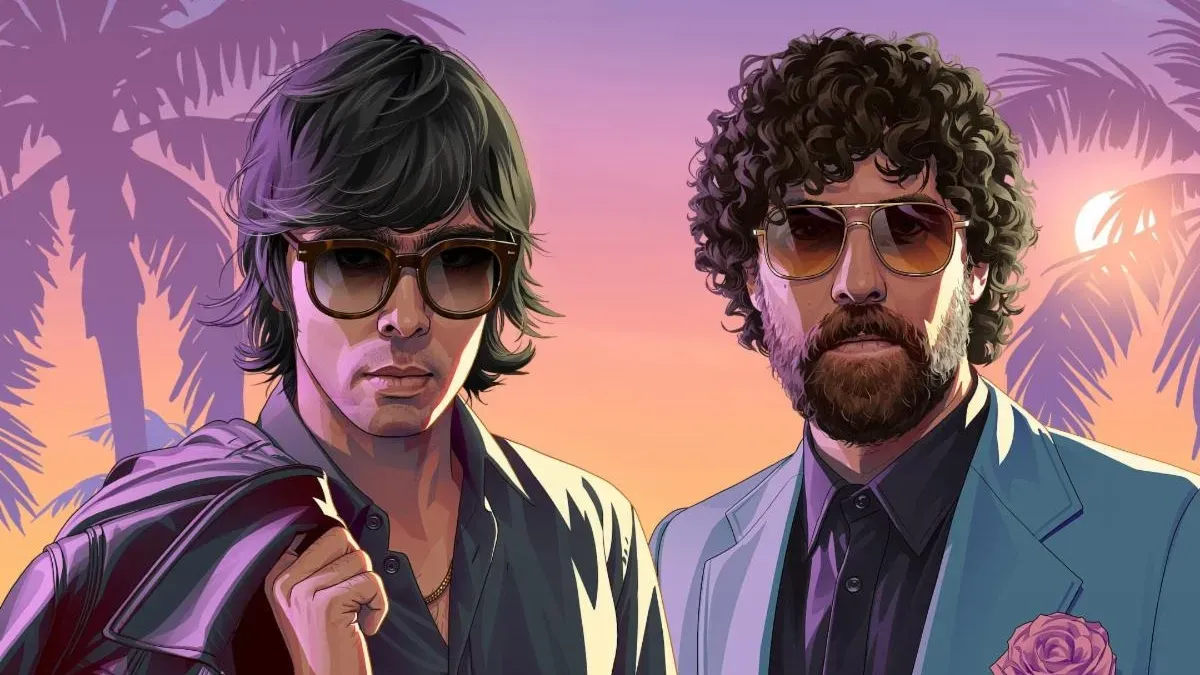
Justice to Score GTA 6, Share New Song with Tame Impala, SZA, King Gizzard
Rockstar taps the French duo for the GTA VI score, and the first taste is a genre-melting collab with Tame Impala, SZA, and King Gizzard & The Lizard Wizard.