
Blade Runner 2099 flips the revolt: replicants rule Los Angeles, Nov. 25, 2026
Michelle Yeoh and Hunter Schafer lead a noir sequel where a fragile city could collapse under a hidden truth.
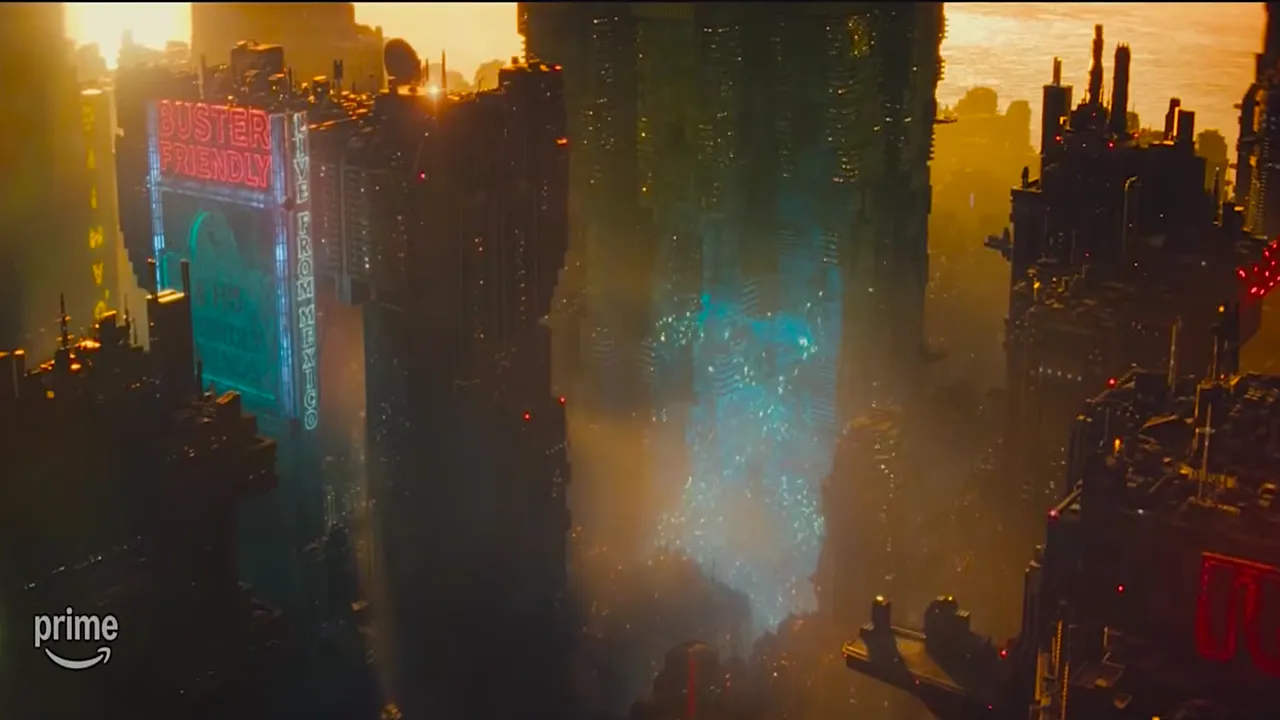
Prime Video’s limited series Blade Runner 2099, led by Michelle Yeoh as Olwen and Hunter Schafer as Cora, arrives Nov. 25, 2026. The project, developed by Ridley Scott and showrun by Silka Louisa, positions replicants as power-holders in a Los Angeles that is no longer run by humans.
Prime Video’s Blade Runner 2099 arrives Nov. 25, 2026 with a premise that instantly changes the power math: replicants have rebelled, seized power from human beings, and now rule a future Los Angeles. The new trailer, unveiled during San Diego Comic-Con, frames the uprising as more than backstory. It is the setting pressure-cooker for the entire 8-episode limited series.
In that world, Michelle Yeoh plays Olwen, an aging replicant Blade Runner, and Hunter Schafer plays Cora, a fugitive human trying to escape pursuing Blade Runners. The show does not just “flip” the narrative for vibes. It centers a conflict of identities and leverage, with Olwen telling Cora, "The old world forever fights to come back," and adding, "Humans want what was taken from them. But it's our time now." That line is the tonal thesis: the question is not whether the old order can return, but what it will cost to prevent it.
Blade Runner 2099 is positioned as a tangential sequel to Denis Villeneuve’s Blade Runner 2049, set in the same neon-drenched dystopian universe. The series also appears to extend the franchise’s recurring theme of natural and artificial beings sharing the same dangerous city space, while widening scope toward “outer space,” a reminder that scale is part of the brand promise, not a side quest. For executives, this matters because IP-led projects live or die by whether they keep the mythos intact while still feeling “new enough” to justify a second trip through the same universe.
The official synopsis makes the immediate stakes feel operational, not just philosophical: “Fifty years after the events of Blade Runner 2049, Los Angeles has been reborn, just not by humanity.” Cora takes one last identity, a Blade Runner, then “forced to partner with Olwen, a Replicant days from dying,” hunts “down a runaway hiding a truth that could collapse their fragile city.” This is a classic limited series engine. A pairing under pressure. A ticking clock. And a mystery that can be monetized across episodes because it is structurally tied to the world’s stability.
Behind the scenes, Prime Video’s timeline helps explain why this feels like an intentional brand move rather than a quick cash-in. We first heard word of Ridley Scott developing a Blade Runner TV show back in early 2022, and now the series is on the threshold of its 8-episode release this fall, helmed by showrunner and executive producer Silka Louisa (Shining Girls). Louisa told Entertainment Weekly last week, “I am so excited for people to see it,” and emphasized the legacy and care required to handle Blade Runner. She also said the team stayed “very true to the noir principles of Blade Runner” and built a mystery that looks “both forwards and backwards in terms of mythology.” Even if you only care about business outcomes, that is basically a roadmap for how the production is de-risking audience expectations.
The cast also signals how the show intends to hit multiple audience segments without diluting the tone. Yeoh and Schafer lead, with Dimitri Abold (The Hunger Games: The Ballad of Songbirds & Snakes) and Lewis Gribben (Somewhere Boy) as well as guest stars including Katelyn Rose Downey (The Nun II), Daniel Rigby (Renegade Nell), Johnny Harris (A Gentleman In Moscow), Amy Lennox (Only Child), Sheila Atim (The Woman King), and Matthew Needham (House of the Dragon). Add that David W. Zucker and Clayton Krueger of Scott Free Productions are executive producing in collaboration with Louisa, and you get an IP machine with both auteur gravitas and franchise discipline.
For decision-makers, the second-order story is not just “Blade Runner is back.” It is how streaming platforms are competing for scarce attention using IP that already has a built-in worldview. Blade Runner 2099 is taking a franchise universe where identity, memory, and autonomy have always mattered, then putting that theme into a directly political setup: replicants ruling Los Angeles after seizing power in a massive uprising. That is a high-stakes creative bet because it locks the show into questions that audiences will debate. But limited series formats are designed for exactly that: a concentrated run where each episode pays off a promise, and the brand conversation happens while the show is still fresh.
If you are a founder, investor, or studio exec watching this, the takeaway is simple: Prime Video is not merely scheduling another genre title. It is using a carefully staged noir-forward mystery, a mainstream star (Yeoh), a prestige genre cred anchor (Schafer), and the credibility of Ridley Scott and Silka Louisa to turn a franchise into a repeatable streaming event. Nov. 25, 2026 is the date. The real stake is whether Blade Runner 2099 can make “it’s our time now” feel earned, not just dramatic.
This story's Key Insights and Take-aways are locked.
Create a free account to unlock Executive Actions for one credit.
Register to UnlockAlways free for Executives Club members. Join the Club
More in Entertainment

'It's a Magic Trick': Ballet Experts Say Rosalía's SNL Pose Is Impossible
Three ballet experts tell Rolling Stone Rosalía's gravity-defying SNL stillness shouldn't be possible - and why the debate is now part of the show.

Activision CMO: GTA 6 Will Boost Call of Duty, Not Bury It
Activision's top marketer says Rockstar's blockbuster will drive players back to consoles and into Modern Warfare 4, even as the company admits its recent strategy failed.
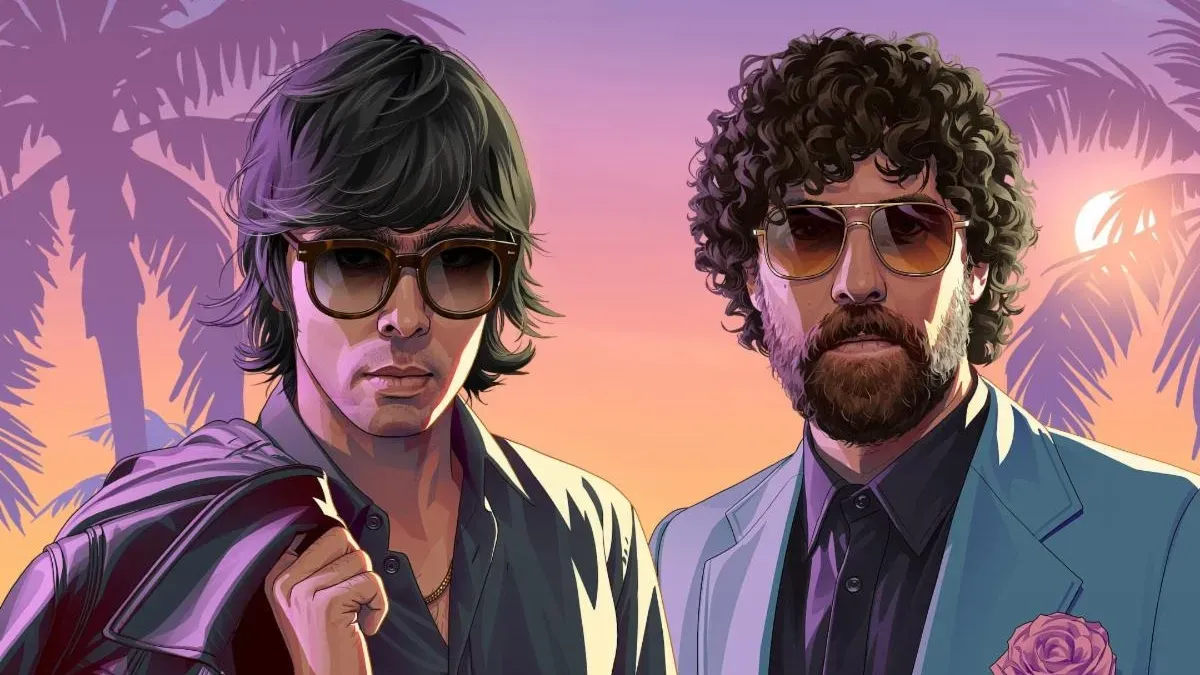
Justice to Score GTA 6, Share New Song with Tame Impala, SZA, King Gizzard
Rockstar taps the French duo for the GTA VI score, and the first taste is a genre-melting collab with Tame Impala, SZA, and King Gizzard & The Lizard Wizard.