

Blade Runner 2099 ties to Ridley and Denis, yet claims a standalone rebirth
Prime Video’s 2026 series anchors to the franchise while inviting new viewers into a “sunshine noir” world.
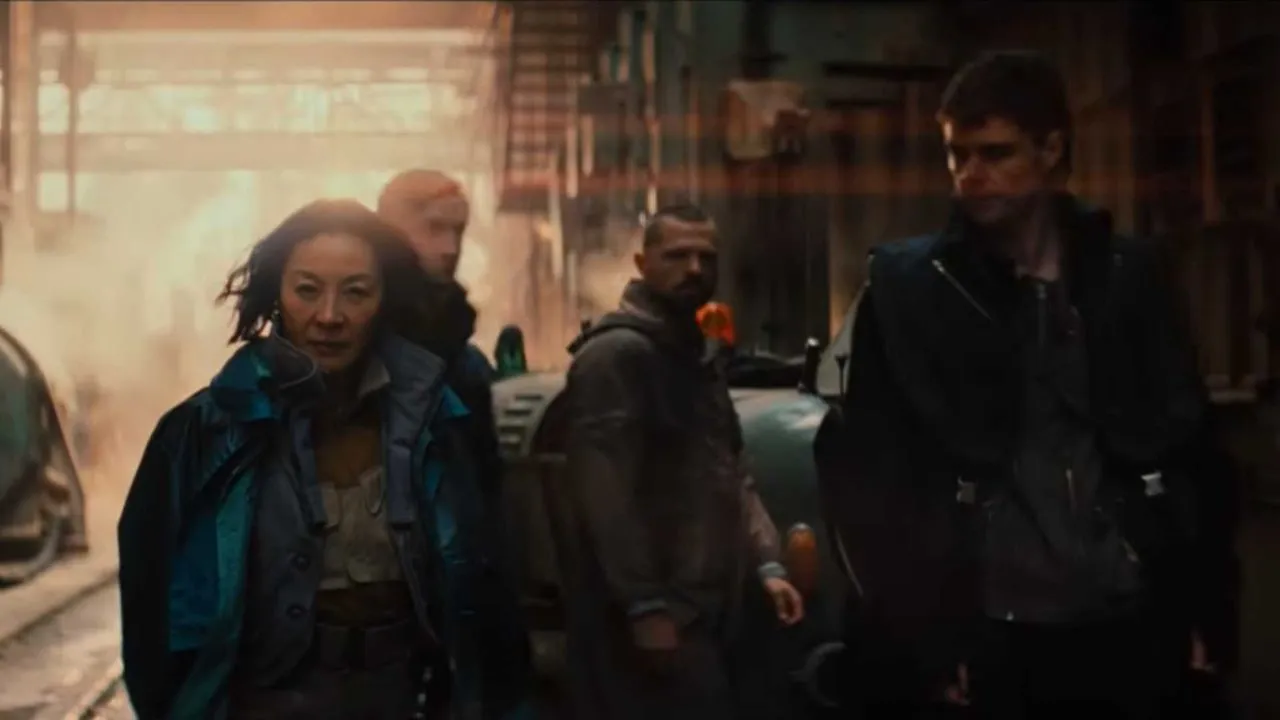
Silka Luisa, showrunner of Blade Runner 2099 for Prime Video, says the show connects to Blade Runner and Blade Runner 2049 while functioning as a “rebirth.” For decision-makers, it is a template for how legacy IP can widen the funnel without needing a deep fan prerequisite.
Blade Runner 2099 is positioning itself as both connected tissue and a clean on-ramp. At San Diego Comic-Con, showrunner Silka Luisa told GamesRadar+ the series will “see Blade Runner, Ridley’s Blade Runner, but through the lens of hard sunlight and deep shadow,” aiming to feel familiar but “completely different.” The practical promise is even more important: the show is built so “if you're not deeply ingrained in the first two pictures, you can pick this up very easily,” producer Andrew Kosove said, and it is “not meant to be inside baseball.”
The stakes are also neatly stated. Blade Runner 2099 takes place 50 years after Blade Runner 2049, after a war has happened and “the humans have lost.” The official synopsis spells out the new power order: “The replicants are now the power brokers of the city, and humans are the second-class citizens.” That is a high-consequence reset of the franchise’s social structure, and it is the foundation for Luisa’s “rebirth” framing. She described 2019 as “dark and rainy” and 2049 as “snowy and cold,” then said the show is designed to be “hot and sticky and chaotic,” with the concept of “sunshine noir.”
If you are thinking like an executive, this is a story about audience design. Legacy science fiction IP has a recurring dilemma: the deeper the canon, the narrower the entry point. Kosove’s comment is basically the antidote. He promised “connective tissue” to the first two movies, specifically through “character and storylines that relate to the first two movies,” but he also said the series is “designed in a way” that does not require franchise homework. That matters because a streaming strategy depends on repeatable acquisition. One-time curiosity from diehards is nice. The business goal is a show that new cohorts can start mid-series of the broader universe and still feel like they belong.
Luisa’s artistic description also has business implications, even if she framed it in aesthetic terms. “Hard sunlight and deep shadow where you still have neons” is not just mood. It is an attempt to signal what has changed without erasing what readers already recognize. In franchises, that is the line between revitalization and confusing cosplay. The show is banking on a visual and tonal evolution that can be summarized quickly: sunshine noir, neon familiarity, and a chaotic atmosphere. That makes it easier for marketing teams, reviewers, and social platforms to describe the premise in a way that lands on first touch.
The series also arrives with a clean time-and-status ledger, which helps comprehension. The official synopsis says: “And between 2049 and 2099, that's happened. So the war has happened and the humans have lost.” That simple chain of causality is important because it reduces friction for first-time viewers. Instead of expecting audiences to already know the plot mechanics of the prior films, the show starts with the consequences. Replicants control the city’s power. Humans are “second-class citizens.” Once that is established, the story can pivot into character conflicts and city-scale politics, because everyone understands what “winning” and “losing” look like in this universe.
From a portfolio and governance perspective, this kind of positioning often reflects board-level risk management. When a streaming title leans on well-known worlds, executives have to justify why it should work beyond the core. Luisa and Kosove appear to be answering that question directly. By calling it “a rebirth,” Luisa signals that the narrative reset is not a nostalgia museum. It is a restart point for theme, setting, and character arcs. And by explicitly stating the show welcomes “a whole new generation of fans,” Kosove is drawing a boundary around the product: it references the franchise enough to satisfy existing viewers, but it is not structured like a test.
There is also a capital markets subtext, even without any explicit numbers in the panel remarks. Streaming competitors are constantly chasing viewership that converts into retention. A show that can bring in new viewers early reduces reliance on word-of-mouth from hardcore fan communities. It is easier to scale when the premise is legible without additional viewing. That is exactly what Kosove claims: a viewer can “pick this up very easily and connect to it.” In an industry where the difference between a hit and a miss can come down to early comprehension, that is not a small claim.
Blade Runner 2099 comes out on November 25, 2026. The fact it is later in the year does not change the underlying positioning: it is trying to arrive with a narrative that can be watched cold, while still rewarding people who already know how Blade Runner stories tick. For executives, the takeaway is straightforward. If you are betting on legacy IP, the question is not whether you can reference the originals. It is whether your version offers a fresh entry point, clear consequences, and a world that feels new enough to make viewers stick around.
This story's Key Insights and Take-aways are locked.
Create a free account to unlock Executive Actions for one credit.
Register to UnlockAlways free for Executives Club members. Join the Club
More in Entertainment

'It's a Magic Trick': Ballet Experts Say Rosalía's SNL Pose Is Impossible
Three ballet experts tell Rolling Stone Rosalía's gravity-defying SNL stillness shouldn't be possible - and why the debate is now part of the show.

Activision CMO: GTA 6 Will Boost Call of Duty, Not Bury It
Activision's top marketer says Rockstar's blockbuster will drive players back to consoles and into Modern Warfare 4, even as the company admits its recent strategy failed.
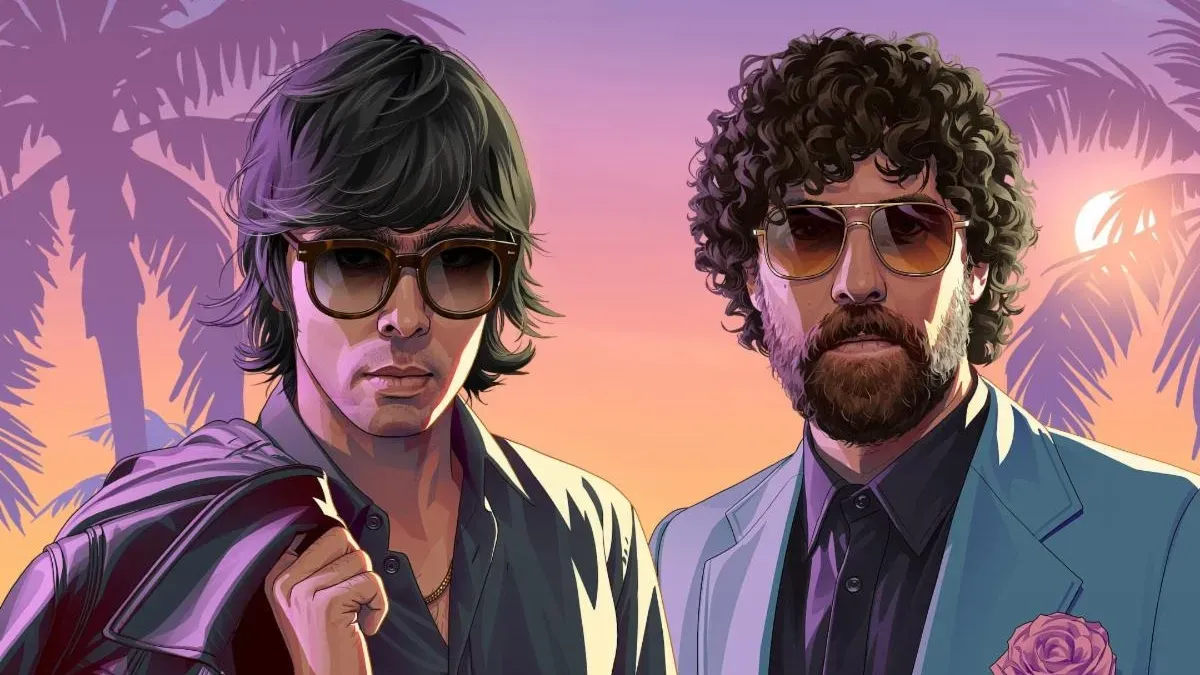
Justice to Score GTA 6, Share New Song with Tame Impala, SZA, King Gizzard
Rockstar taps the French duo for the GTA VI score, and the first taste is a genre-melting collab with Tame Impala, SZA, and King Gizzard & The Lizard Wizard.