
BMW X5 goes electric: 435-mile range finally puts EV buyers in the driver seat
BMW’s X5 lineup adds a full EV option with 435 miles of range, raising the bar for premium SUV electrification.
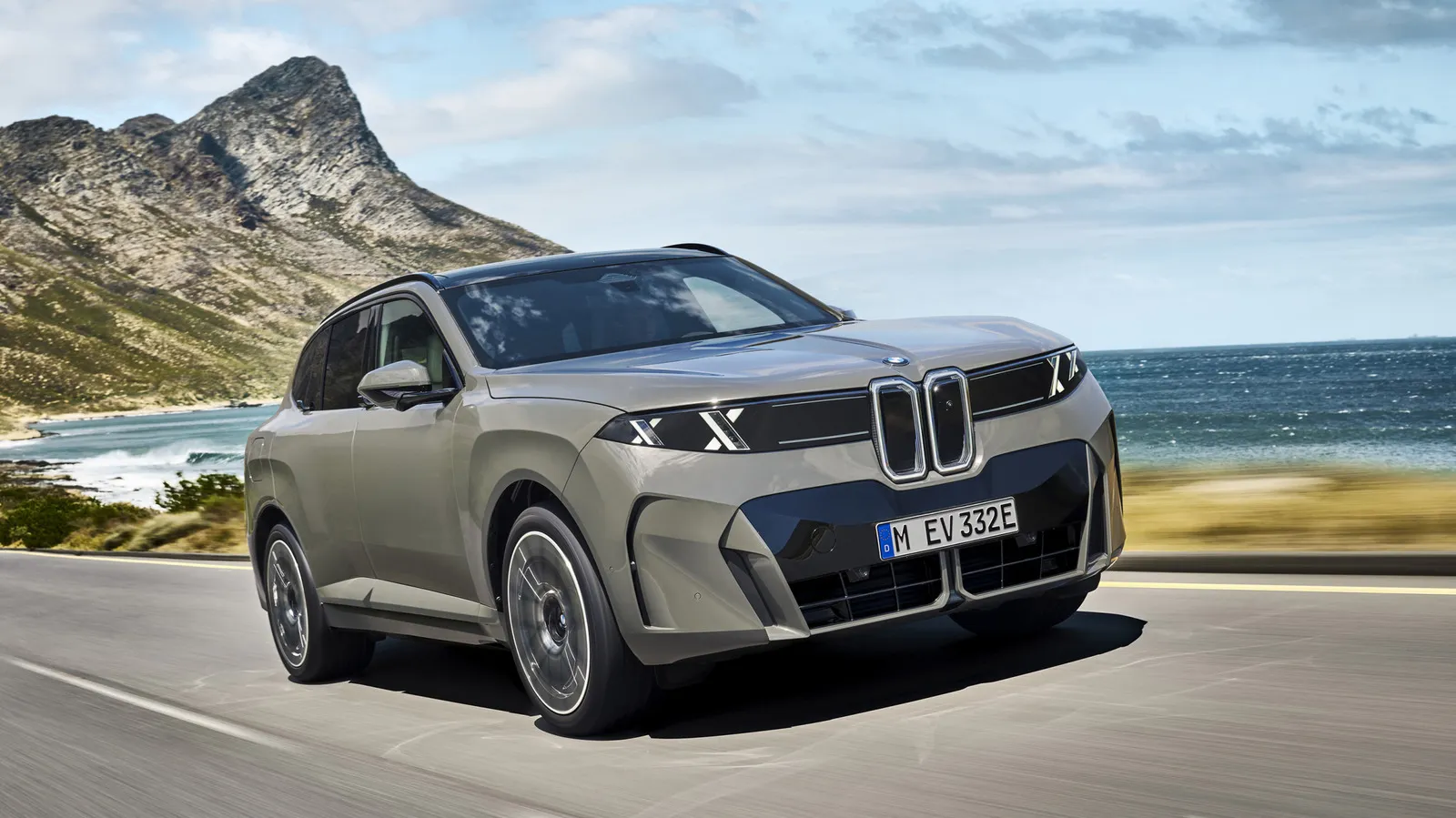
BMW is finally adding an electric option to its X5 lineup, delivering an impressive 435-mile range. For decision-makers, it signals that premium EV competition is shifting from “can it exist” to “can it beat real-world expectations.”
BMW’s X5 lineup finally has an electric option, and BMW is staking its credibility on a headline number: 435 miles of range. For anyone who has watched EV adoption stall at the exact point where “range anxiety” turns from marketing phrase into daily hassle, 435 miles is the kind of figure that tries to remove friction instead of just adding another charging outlet in the map app.
In other words, this is not an EV version of the X5 that exists mainly as a proof-of-concept. The point is to compete on the thing buyers tend to notice first: how far they can go before they have to plan around charging. When a premium SUV buyer considers switching from gas, they often do not want to trade one convenience for another learning curve. A claimed 435-mile range is designed to make the trade feel optional.
Why this matters right now is that electrification in the premium segment has entered a more demanding phase. Early EV releases often felt like experiments in timing, supply chains, and software maturity. But as the market thickens, customers can compare options side-by-side, and competitors can no longer rely on “first” or “future tense.” The bar is becoming experiential: range that works for errands, commutes, and road trips without turning every trip into a logistics project.
From a regulatory and compliance perspective, this kind of announcement fits into a broader pattern. Governments around the world have pushed automakers to reduce tailpipe emissions, which pressures manufacturers to expand EV lineups and improve fleet performance. However, regulatory pressure does not automatically translate into customer adoption. Customers decide with their wallets and their schedules. That is why an electric X5 is strategically significant: it takes an existing, proven nameplate and translates it into an EV format with a range figure intended to satisfy the most common objection.
Boardrooms should also notice the capital allocation logic hidden in the headline. Automakers do not move a flagship SUV family to electric lightly. Platform choices, battery sourcing, manufacturing retooling, and software integration all create long lead times and high sunk costs. When a company decides the timing is right to offer an electrified X5, it is essentially saying it believes two things: first, that demand exists for a premium electric SUV in this size and brand position, and second, that the operational capability to deliver it is mature enough to stand on a competitive range number.
The competitive effect is also second-order. The X5 is a segment magnet. When a nameplate with mainstream household recognition adds a strong-range electric option, it compresses the “acceptable EV” category. That can force rivals to respond not just with more models, but with range parity or better. It also changes showroom conversations. A salesperson pitching an EV now has to defend the “435 miles” standard, not just the idea of going electric in general.
There is also a product strategy story here. BMW is not launching an EV that stands alone as a niche vehicle; it is connecting EV adoption to a recognizable lifestyle vehicle. That lowers psychological barriers for buyers who want electric benefits without feeling like they are stepping into an entirely different product ecosystem. Range is part of that psychology. It affects trip planning, perceived practicality, and confidence, which are the real drivers of adoption beyond charging infrastructure.
Ultimately, this announcement is a signal to the entire premium automotive ecosystem: the EV shift is no longer only about whether an electric version can exist, it is about whether it can satisfy the routine expectations of mainstream premium SUV buyers. BMW’s move with a claimed 435-mile range is a market statement, and peers will feel the pressure to match the moment where electrification becomes less of a leap and more of a default choice.
This story's Key Insights and Take-aways are locked.
Create a free account to unlock Executive Actions for one credit.
Register to UnlockAlways free for Executives Club members. Join the Club
More in Technology

Nvidia's $89B data center quarter: the 9 companies cashing in
The AI buildout is minting fortunes beyond GPUs, and memory, cloud, and cooling suppliers are riding the same wave.

Google quietly links your phone number to every Android account on your SIM
Adding a SIM now ties your phone number to all Google accounts - and future accounts inherit it. Here's the security and privacy stakes.

Hijacker AI 'Skynet mode' runs 100,000 attack steps against exposed models
Symantec caught a criminal AI agent that borrows other models, steals data, and mines crypto; the only relief is no confirmed victims yet.