
Bobby Prince, Doom composer, dies at 81, just after Doom’s National Recording Registry induction
His family confirmed his death Tuesday, June 16, and the impact of his metal-infused game soundtracks keeps echoing.
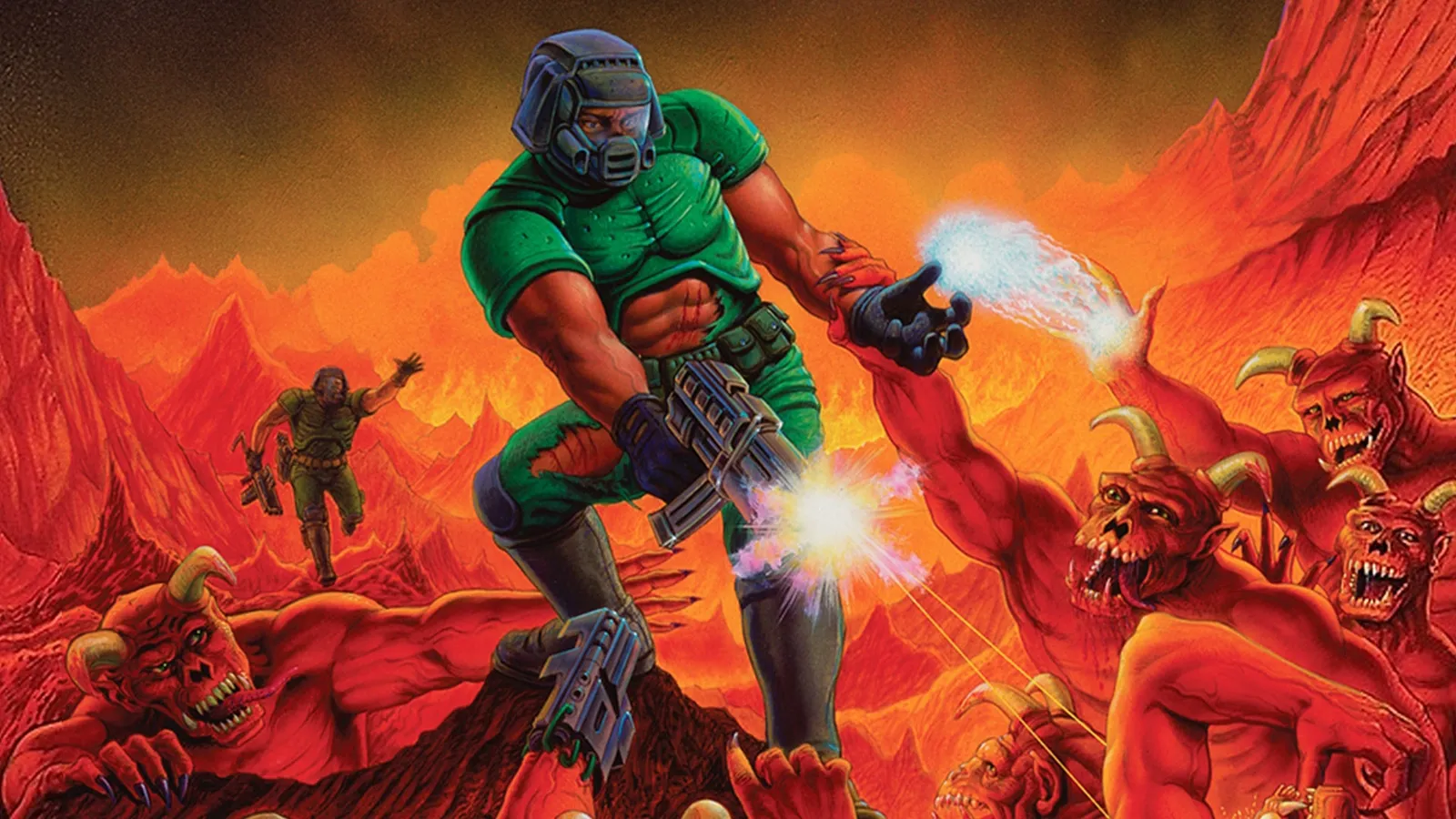
Robert Caskin “Bobby” Prince III, the composer behind Doom, Doom 2, and Duke Nukem 3D, died at 81 on Tuesday, June 16. For decision-makers across gaming and culture, his posthumous recognition underscores how audio IP becomes long-lived infrastructure, not just background flair.
Robert Caskin “Bobby” Prince III, the composer behind Doom and other 1990s game classics, has died at 81. His family confirmed he passed away Tuesday, June 16, and they did not specify details of his illness. In an obituary posted after his death, they added a gratitude note to “countless 'Earth Angels' at Dollywood and Beyond,” whose prayers, kindness, encouragement, and loving care surrounded Bobby throughout his illness.
The timing is striking in a way only the entertainment side of tech often does: Doom’s soundtrack was inducted into the National Recording Registry just two months earlier. A spokesperson said the game’s “adrenaline-fueled soundtrack” was key to its popularity, and they described how, despite the limitations of 1993-era sound card drivers, Prince composed “the perfect riff-shredding accompaniment” for the “demon-slaying journey to hell and back.” The induction matters because it frames what many developers learn slowly: the audio layer is not disposable. It can be part of the historical record.
Prince’s work helped shape the atmosphere of 1990s video games, with credits tied to major titles and early moments when game music became its own identity. According to the source, he worked on projects including Wolfenstein 3D in 1992 and Duke Nukem 2 in 1993. Later, he “truly leave[d] his mark on the gaming space” as composer for both Doom and Doom 2, both known for metal-infused soundtracks that influenced not only later Doom entries but countless other games for decades.
He also worked on Duke Nukem 3D, Realms of Chaos, and Rise of the Triad. For executives and operators, the practical point is that his career spanned multiple teams and creative environments, including work with developers like id Software and 3D Realms. That kind of mobility is not just a biography detail. It often determines whether a creator’s signature style becomes portable across platforms, engines, and production constraints. In Prince’s case, the source calls out his knowledge of MIDI and his technical approach to balancing music and sound effects, including assigning sound effects to different MIDI frequencies so they could “cut through the music.”
There is also a second-order legacy angle in what the spokesperson said about his methods. The Doom soundtrack would go on to inspire countless remixes and “lay the foundation for future generations of game composers.” That is an ecosystem impact, not only an artistic one. When a musical style becomes remixable, it stops being confined to a single release and starts functioning like a template that other creators can build on. For studios, publishers, and investors, that means music can generate compounding returns through covers, remixes, streaming playlists, and brand recall. It is easier to see that in hindsight, harder to underwrite upfront. Prince’s body of work is a reminder that the “soundtrack budget” can be a long-duration asset, even when nobody can measure the payoff on day one.
The National Recording Registry inclusion also highlights how cultural institutions treat interactive media. While this is not a regulatory action in the traditional corporate sense, the Registry is effectively a stamp that can influence how companies and creators think about preservation and legitimacy. When a spokesperson frames the soundtrack as “key to its popularity,” it links institutional recognition to consumer impact, not just technical novelty. For boards and senior leadership, that connection matters because it turns creative output into something that can outlive product cycles, shifting how you talk about IP risk, heritage, and brand durability.
Prince’s earlier life adds another layer that often gets overlooked in game industry obituaries: before composing full-time, he served in the United States Army during the Vietnam War. After that, the source says he pursued a career in counseling and law. Then, in an almost perfect irony for executives who obsess over “serious” career paths, his game music work started as a hobby. The source includes remarks about this from collaborators, including Doom co-designer John Romero, who said, “Everyone at Romero Games is deeply saddened to learn of the passing of Bobby Prince,” and added that “He left an incredible mark on games and on my life.”
Other messages in the source reflect how Prince’s influence spanned both craft and culture. 3D Realms/Apogee Software co-founder George Broussard called Prince “a prolific creator” and compared him to “the Hans Zimmer of early shareware games,” saying it came from passion about music and video games as they were emerging. Fellow Doom composer Andrew Hulshult said Prince “was all about spreading love and positivity,” that he “wanted everyone to get along,” and that he was “incredibly supportive” of Hulshult’s work. Hulshult also said he was “truly honored” to have the privilege of covering Prince’s work, and ended with “Rest easy Bobby Prince.”
For industry leaders who build products, manage creative teams, or allocate capital, Prince’s death is a moment to zoom out. Doom’s sound is widely treated today as a cornerstone of the genre’s identity, and the Registry induction shortly before his passing reinforces that his work became part of a national cultural narrative. The strategic stakes are simple: when you treat audio as a core system, not a garnish, you increase the odds that your title can become more than a product. It can become infrastructure for years, even decades, after the original hardware is gone.
This story's Key Insights and Take-aways are locked.
Create a free account to unlock Executive Actions for one credit.
Register to UnlockAlways free for Executives Club members. Join the Club
More in Entertainment

Russell Brand's accuser 'bewildered and confused' as he denies 7 sex charges
The criminal case against the comedian is a live test of how media companies manage talent risk when serious allegations go public.

'It's a Magic Trick': Ballet Experts Say Rosalía's SNL Pose Is Impossible
Three ballet experts tell Rolling Stone Rosalía's gravity-defying SNL stillness shouldn't be possible - and why the debate is now part of the show.

Activision CMO: GTA 6 Will Boost Call of Duty, Not Bury It
Activision's top marketer says Rockstar's blockbuster will drive players back to consoles and into Modern Warfare 4, even as the company admits its recent strategy failed.