

Bono: U2 makes best seats cheapest, but 'no problem' taking rich fans' money
The U2 frontman reveals the band's pricing philosophy: affordable front rows, premium prices for the wealthy, as concert costs hit record highs and regulators circle Live Nation.
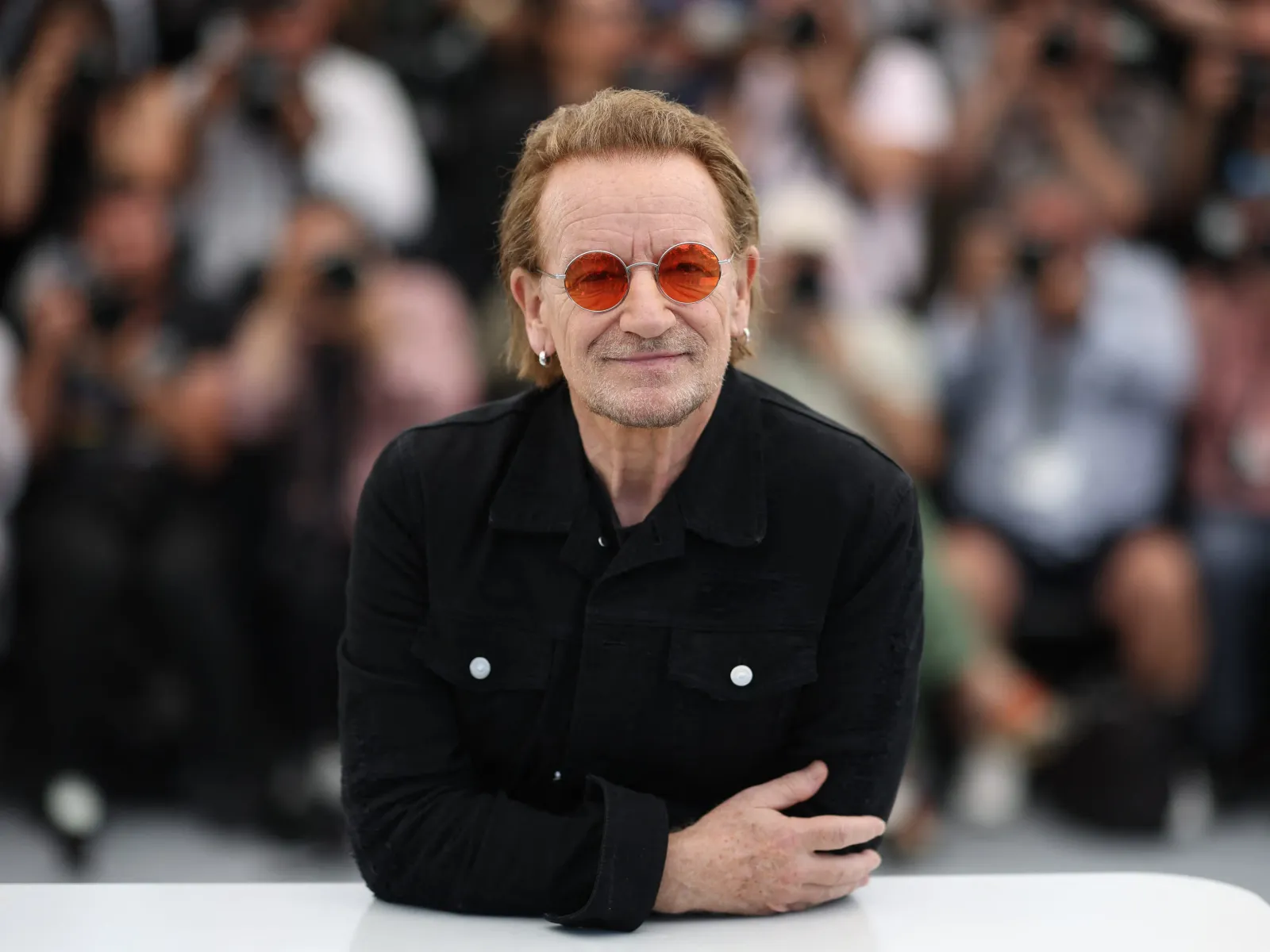
Bono said on The New York Times' 'The Interview' podcast that U2 deliberately prices its best seats as the most affordable while having 'no problem separating rich people from their money.' The admission lands as average top-100 tour ticket prices have risen from $96.17 to $132.62 since 2019 and a federal jury just found Live Nation liable for antitrust violations.
Bono, U2's frontman, says the band has a deliberate answer to the concert pricing debate: keep the best seats the cheapest, and let wealthy fans subsidize the show. In an interview on The New York Times' "The Interview" podcast, Bono acknowledged U2 has "very little" control over what fans ultimately pay, but he described a long-running internal strategy: "What we do in our band is we take the best seats in the house - we've done this all our life - and make sure that they're often the most affordable." Then the kicker: "We also have no problem separating rich people from their money," he said. "You know, as we say, rich people have feelings, too. If they want to pay very high prices, we've no problem."
That philosophy was on full display during U2's 40-night residency at the Sphere in Las Vegas from September 2023 through March 2024. The official announcement said tickets started at $140, with the venue's larger capacity allowing "60% of tickets to be priced under $300," alongside a "limited number of premium-priced tickets" at each show. In other words, the band's most desirable seats - the front rows - were deliberately priced to be accessible, while the premium inventory captured fans willing to pay far more.
Bono's comments come at a moment when ticket prices have become a defining feature - and flashpoint - of the modern live entertainment economy. The average ticket price for the top 100 tours rose from $96.17 in 2019 to $132.62 in 2025, according to data from Pollstar, a music industry trade publication. Dynamic pricing, which lets prices rise with demand, has helped drive costs higher, and the secondary market allows tickets to be relisted at far above face value. For fans, the gap between what a ticket "should" cost and what it actually costs has never been wider.
The regulatory environment is shifting too. In April, a federal jury found Live Nation liable for antitrust violations, determining that its market monopoly led Ticketmaster to overcharge customers by $1.72 per ticket from May 2020 to 2024. That verdict is a reminder that pricing power in live events is under scrutiny, and artists who rely on major ticketing platforms are part of that ecosystem. Bono's framing - that the band itself tries to offset high prices with affordable front rows - may also be a strategic response to that scrutiny.
The same sticker shock is hitting sports. A Business Insider analysis of past ticket data found that a Category 1 ticket to this year's World Cup final cost $10,990 in April's open sale. At the previous seven World Cups, the equivalent ticket cost between $988 and $1,783 in today's dollars. That's a more than sixfold increase over the upper end of the historical range, and it shows that premium pricing is not confined to music.
For executives and boards across entertainment, sports, and hospitality, Bono's comments are a case study in how to manage pricing optics. The U2 approach - anchor the cheapest seats to the best experience, then let the secondary market and premium tiers capture surplus - is a way to maintain brand loyalty while still monetizing demand. But it also carries risk: if fans perceive the "affordable" seats as a token gesture while the overall price level keeps climbing, the goodwill evaporates.
The deeper strategic question is whether the industry can sustain its current pricing trajectory. With Live Nation facing antitrust remedies, dynamic pricing under regulatory scrutiny, and consumers increasingly price-sensitive, the model that worked in the post-pandemic boom may need recalibration. Bono's admission that U2 has "very little" say over final prices is telling: even the biggest acts are not fully in control of their own economics.
For peers in similar roles - artists, venue operators, ticketing platforms, and the executives who advise them - the takeaway is straightforward. Pricing strategy is now a brand strategy. The bands and venues that can credibly claim to protect access for ordinary fans, while still extracting premium revenue from those who can afford it, will be the ones that survive the coming regulatory and consumer backlash. Bono's line about separating rich people from their money may be a joke, but it is also a business model.
This story's Key Insights and Take-aways are locked.
Create a free account to unlock Executive Actions for one credit.
Register to UnlockAlways free for Executives Club members. Join the Club
More in Business

Elon Musk unveils a flying car, and SpaceX helped build it
The Tesla CEO's showcase at a SpaceX facility signals a future where road and rocket engineering converge.

Apple's $2,000 iPhone Duo opens preorders, taking on Samsung and Google
Apple's first foldable hits the market at a premium price, reshaping a category Samsung and Google have led.

Pope Leo XIV, first American pope, diagnosed with lung cancer
The 71-year-old Chicago-born pontiff underwent successful surgery on his right lung, and his diagnosis raises new questions about his AI-focused papacy and the Vatican's future.