
Brad Bird turns the 1906 quake into an eight-episode miniseries
At SDCC 2026, Brad Bird explains why “it has to be big like a movie” for the quake and the fire after.
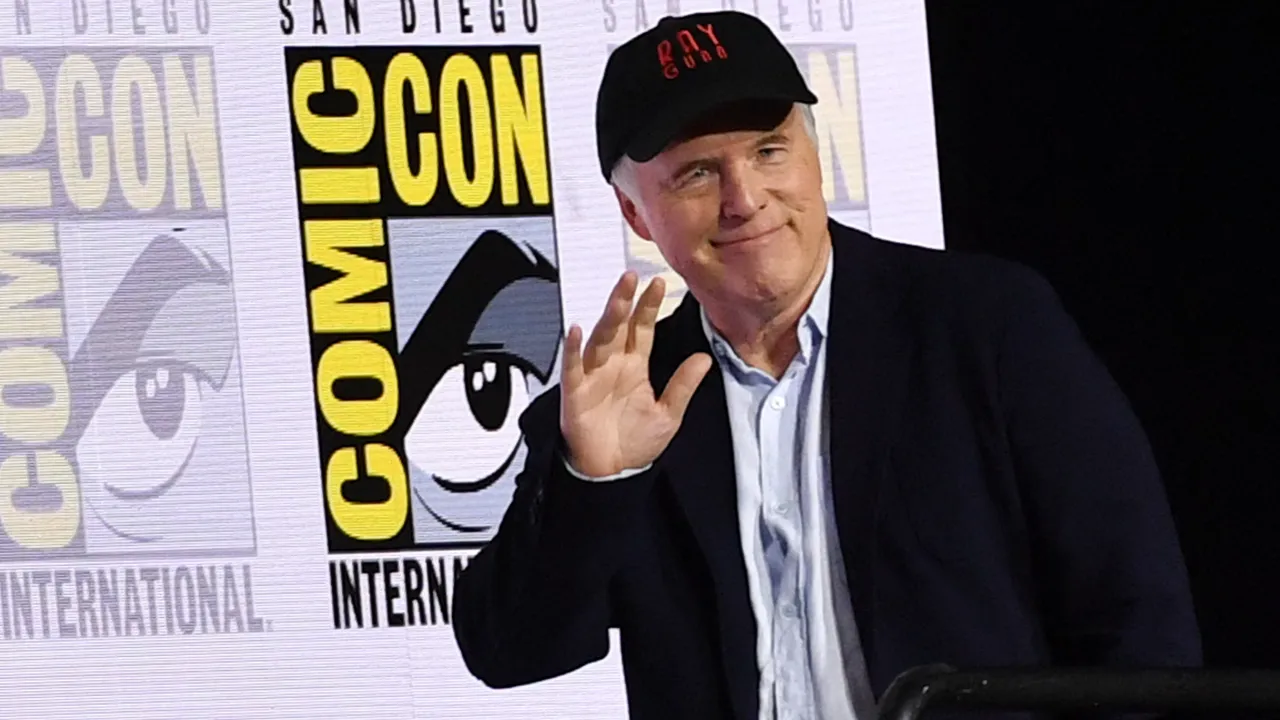
Brad Bird, director of The Incredibles and Mission: Impossible - Ghost Protocol, revealed at San Diego Comic-Con that his 1906 San Francisco earthquake project is being planned as an eight-episode miniseries. For decision-makers, it signals a premium-budget shift where cinematic scale and episodic storytelling become the same commercial bet.
At San Diego Comic-Con, Brad Bird did something that feels both inevitable and slightly reckless: he mapped his long-gestating 1906 San Francisco earthquake movie into an eight-episode miniseries. Bird, the The Incredibles and Mission: Impossible - Ghost Protocol director, said it’s “probably like eight episodes,” and he immediately clarified what that means in practice. It is not just the earthquake. It is “the fire after earthquake,” powered by winds that got “to be like gale force.”
So the headline math checks out. The reason Bird has not been able to make it work as a single feature is the same reason episodic structure may finally unlock it. Bird described that, when he started researching, “the deeper I dug, the more stuff [I’d find].” At a certain point, he felt he was “cutting too much,” which is why he now believes a miniseries is a natural fit. The catch is budget. Bird cautioned that it “indeed need[s] a large budget” because it “has to be big like a movie.”
This is classic Bird problem-solving, but it also lands in the current entertainment reality: audiences will pay for scale, but only if the story distribution gives them a reason to stay. That’s the business tension behind the pivot. A feature film has hard limits: runtime, pacing, and the brutal reality that you can only compress so much history into one arc. Bird’s own framing makes that constraint feel like the real villain, not some mysterious production breakdown. He previously dismissed “BS stories online” that claimed the project was halted due to budget concerns. In his telling, it was never about money alone. It was about fitting everything he wanted into one film.
In other words, this miniseries plan is not a retreat. It is an escalation of fidelity. Bird’s idea is basically: the earthquake is the headline event, but the fire is the sustained crisis, and the winds that drive it are the engine. He described the fire being fed by giant winds that reach gale force, and that detail matters because it tells you the miniseries is aiming for a cinematic depiction of disaster over multiple chapters. Episodic storytelling can do something a feature often struggles with: widen the field of view without speeding through the consequences.
Bird made these comments during the “Brad Bird: My Cinematic Journey” panel at SDCC, hosted by Collider EIC Steven Weintraub. Weintraub asked how Bird envisions the miniseries, and Bird anchored the answer in structure (“probably like eight episodes”) and theme (quake plus fire). That is also why this update is more than fan service. When a director known for tight, high-concept spectacle chooses eight episodes instead of one film, it’s a statement about how the creative system should be built. It’s also a hint that the production will likely need a funding plan that treats television like a theatrical event, not like a smaller cousin.
Meanwhile, Bird’s present workload also offers context for how projects get prioritized. Much of the panel focused on his next project, the animated movie Ray Gunn releasing on Netflix this fall. Incredibles 3 was also mentioned, and longtime Bird collaborator composer Michael Giachinno made a surprise appearance. Bird reiterated that he is not directing Incredibles 3, with Pete Sohn (Elemental) directing. But Bird also said he is co-writing (alongside Dana Murray) and producing the project.
That composer moment is the kind of throwaway detail executives remember later. When Giachinno coyly asked who would do the score, Bird joked, “the ghost of Jerry Goldsmith,” before deadpanning: “We’ll talk about it.” It is not a formal announcement, but it effectively reinforces the expectation that Giachinno may return, since Goldsmith is the iconic name tied to earlier work. The second-order implication here is that Bird is thinking in continuity layers, not just standalone releases. That matters for anyone managing IP portfolios, because audiences do not just buy stories. They buy the emotional signatures of those stories.
Bird also flagged another development project that could potentially happen before the 1906 miniseries. He did not want to reveal many details, but he said it is a film he’d direct. “It’s live-action, but there’s animation in it.” For executives and boards, that is a reminder of how these pivots happen. The 1906 concept is not the only big swing Bird has in motion. The common thread is that he is steering toward formats that can hold complexity, whether that means episodic disaster scale or hybrid live-action and animation.
Strategically, the takeaway is straightforward: the 1906 earthquake and the fire after it are forcing the project to be structurally bigger than a typical feature, and Bird is openly acknowledging that with his eight-episode framing and his “big like a movie” budget warning. For decision-makers tracking premium content pipelines, this is the clearest signal in the story: if you want to dramatize a historical catastrophe with the depth Bird says he found while researching, you either cut everything down and lose pieces, or you fund the full spectacle and expand the canvas. Bird is choosing the canvas.
This story's Key Insights and Take-aways are locked.
Create a free account to unlock Executive Actions for one credit.
Register to UnlockAlways free for Executives Club members. Join the Club
More in Entertainment

'It's a Magic Trick': Ballet Experts Say Rosalía's SNL Pose Is Impossible
Three ballet experts tell Rolling Stone Rosalía's gravity-defying SNL stillness shouldn't be possible - and why the debate is now part of the show.

Activision CMO: GTA 6 Will Boost Call of Duty, Not Bury It
Activision's top marketer says Rockstar's blockbuster will drive players back to consoles and into Modern Warfare 4, even as the company admits its recent strategy failed.
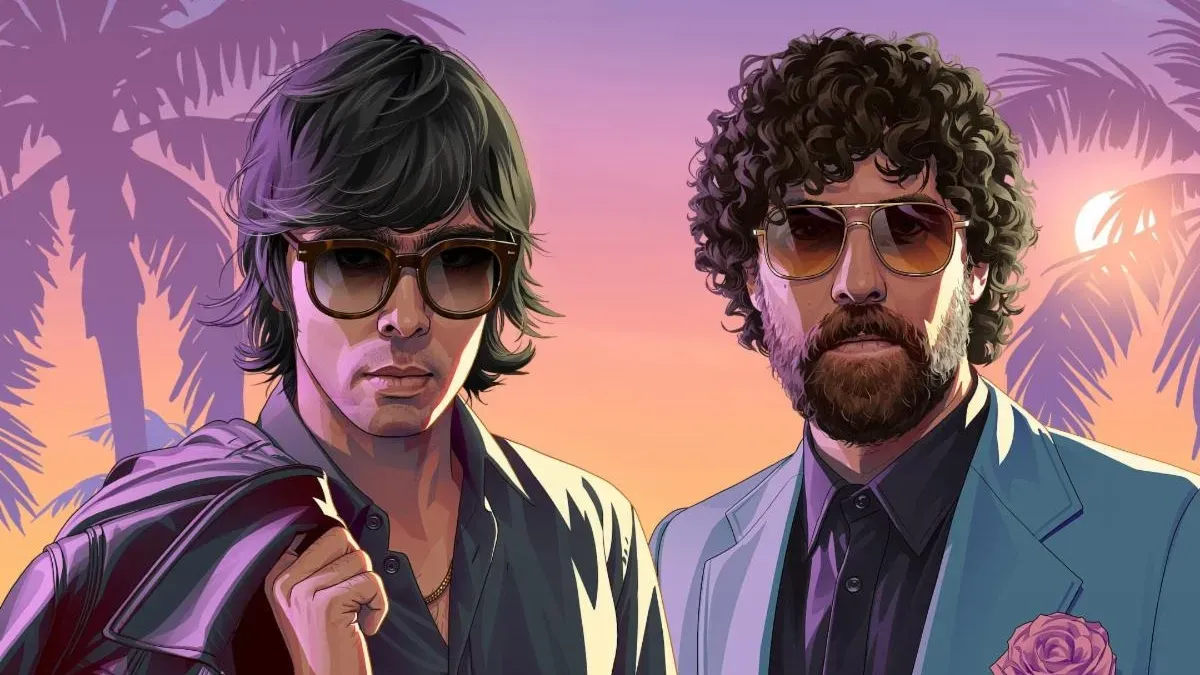
Justice to Score GTA 6, Share New Song with Tame Impala, SZA, King Gizzard
Rockstar taps the French duo for the GTA VI score, and the first taste is a genre-melting collab with Tame Impala, SZA, and King Gizzard & The Lizard Wizard.