
Brad Paisley calls Nashville zoo data center a “monstrosity,” urges elected leaders to block it
A petition with nearly 530,000 signatures, plus a zoning appeal and proposed moratorium, puts Nashville's data-center boom on trial.
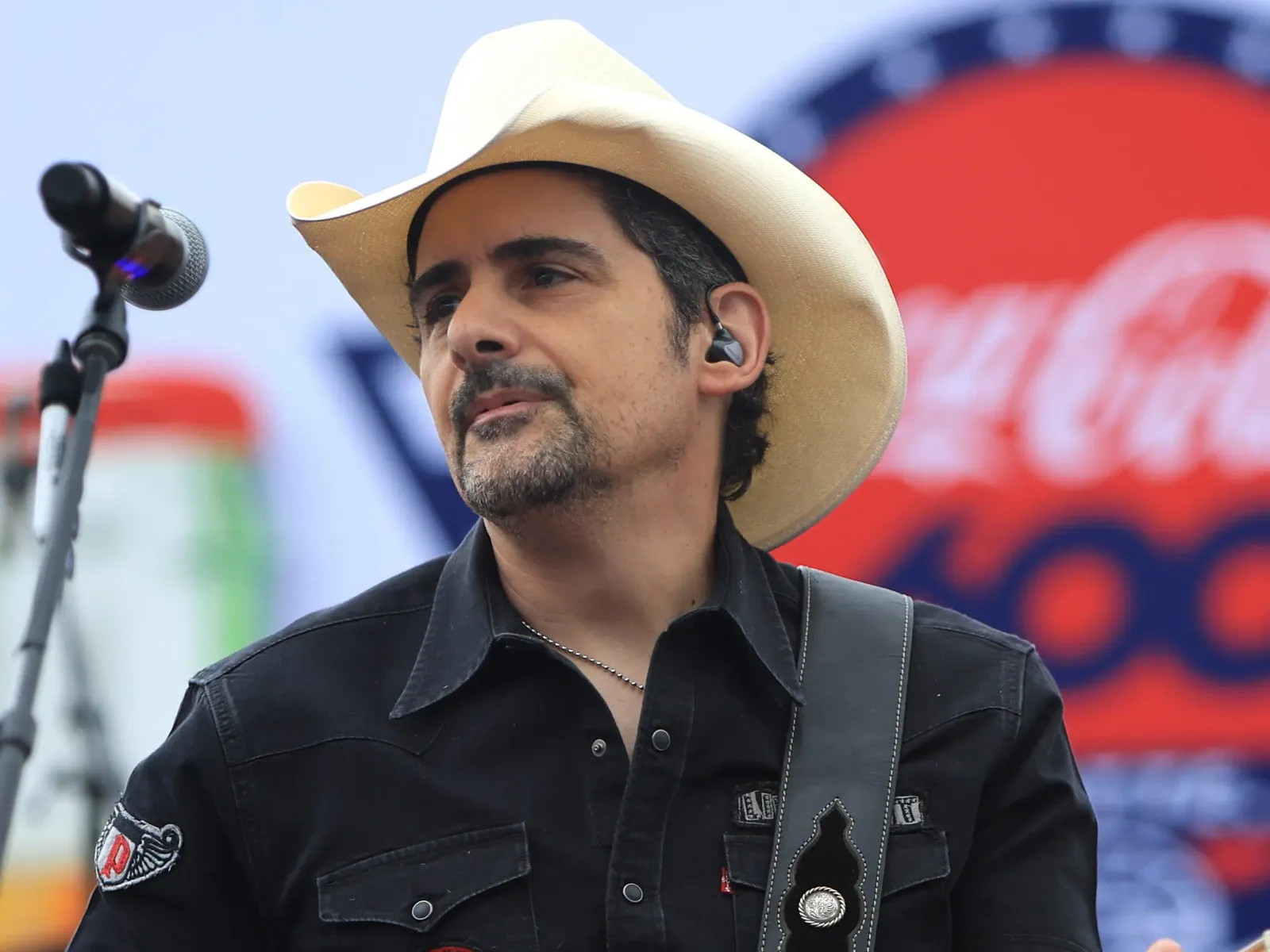
Country star Brad Paisley is urging Tennesseans to protest a proposed DC Blox data center near the Nashville Zoo, calling it a “monstrosity.” The fight matters for decision-makers because it shows how quickly data-center development can trigger legal, zoning, and reputational risk when communities fear environmental and wildlife impacts.
Brad Paisley did not exactly pick a subtle moment to wade into Nashville’s data-center fight. In an Instagram video on Friday, the 14-time Country Music Award winner called a proposed DC Blox facility near the Nashville Zoo a “monstrosity,” adding that it is unfolding “without the blessing of those who are going to be affected by it.” He then went further than performing artists usually do in local planning fights: he urged local leaders to block construction and said Nashville needs to “set a precedent” so other communities can fight similar proposals.
What makes this more than celebrity noise is the momentum behind the protest. The Nashville Zoo’s petition to stop the data center development has almost 530,000 signatures as of Saturday, with the zoo questioning whether the project could lead to “irreversible damage” to the animals it protects. Paisley also described the situation as comparable to an “absolute nightmare scenario” in a separate video earlier this month, specifically comparing the development to AI stealing intellectual property from musicians. In his Friday remarks, he framed the larger stakes in blunt, civic terms: “I’m calling on our elected leaders to find a solution to this that’s going to benefit everybody.”
To understand why this has turned into a high-stakes local showdown, you have to know what DC Blox says it is building. In a statement responding to Paisley’s “social media commentary,” the company said it is aware of his posts and clarified that the data center, with an eventual capacity of about 50 megawatts, is “not intended to power AI.” DC Blox positioned the facility instead as a digital connectivity hub. The company said it is designed to meet Middle Tennessee’s “surging digital demands,” and that the infrastructure supports residents and local businesses.
DC Blox also pushed back on the narrative that data centers are automatically synonymous with AI factories. It pointed to how larger AI data centers often have capacities in the hundreds of megawatts or more, implying that the Nashville proposal is smaller and differently purposed than the facilities critics tend to fear. The company went a step further by tying the project to artists. It said such digital infrastructure enables artists like Mr. Paisley to distribute and stream music globally, engage with fans on social media, and use video platforms. In the company’s framing, without the connectivity, the music industry would not look the way it does today.
But the zoo and local officials are not buying a “connectivity hub” argument as a free pass. The Business Insider report notes that many Americans have been resisting large-scale data centers that power AI, with critics worried about water resources, air quality, noise levels, and local wildlife. Even though the Nashville facility would be smaller than many of the country’s largest AI-focused sites, the proximity to the zoo is the flashpoint. A permit filed with Nashville’s Department of Codes and Building Safety in May says the development would include a nearly 70,000-square-foot single-story building, and local council member Courtney Johnston said the data center would be about 300 feet from one of the zoo’s facilities.
Legally and politically, the response is no longer just petitions and social posts. The zoo told Business Insider that it is exploring whether to take legal action, and a spokesperson said its Land Use Attorney has filed a zoning appeal with the city. The stated goal is to overturn the permits filed by DC Blox and approved by the city. The zoo also said it is working with an environmental rights lawyer to assess legal actions related to protected species on both the zoo property and the proposed site property. At the council level, Johnston has proposed a temporary data center moratorium in Nashville and Davidson County, and she said she is challenging the zoning administrators' land use determination alongside the zoo’s counsel. She also referenced the Endangered Species Act, and said the Southern Environmental Law Group is closely watching the development through that lens.
This is where the story becomes especially relevant for executives, board members, and investors tracking the “digital infrastructure” trade. Data-center projects are typically sold as essential infrastructure, but Nashville’s fight shows how fast a proposal can collide with community trust, land use rules, and environmental compliance frameworks. Johnston told Business Insider Nashville was “caught flat-footed” because data center is not clearly defined in the code for regulating that land use and protecting sensitive areas like zoos, schools, parks, and neighborhoods. Rollin Horton has proposed legislation that would cap the size of data center construction and where they are built. In other words, even if a developer believes it is building responsibly, regulators and lawmakers can still respond by tightening rules midstream.
If you are leading a tech infrastructure company, funding it, or advising a board, the second-order lesson is clear: this is not just about whether megawatts get approved. It is about whether the project license survives the political and legal process after communities mobilize. Paisley’s involvement may not change zoning law, but it changes attention. A petition with nearly 530,000 signatures does not stay local on its own. Combine that with a zoning appeal and a potential moratorium, and you get a real-world reminder that data-center timelines can slip, scope can change, and reputations can take hits when stakeholders fear irreversible environmental impacts. Nashville is turning a 50-megawatt debate into a precedent test, and other municipalities will be watching to see how the fight resolves.
This story's Key Insights and Take-aways are locked.
Create a free account to unlock Executive Actions for one credit.
Register to UnlockAlways free for Executives Club members. Join the Club
More in Business

Bungie cuts most Destiny 2 staff as Sony says Marathon still matters
Herman Hulst confirms layoffs affecting most Destiny and some Marathon teams after Bungie admits Destiny fell short.

SK Hynix jumps 11% after seeking up to $29.4B in Nasdaq listing
The chip giant filed for a Nasdaq listing plan that could raise $29.4 billion, instantly reshaping investor expectations.

Micron revenue hits nearly $42B as AI memory lifts gross margins above 81%
Fiscal Q3 results crush estimates, prove AI memory is rewriting Micron's margins, and change the momentum math for the whole chip stack.