
Brent hits $72.68, lowest since Feb 27, as Strait of Hormuz traffic surges
Shipping flows are back toward pre-war levels, and rising Middle East supply is outweighing demand worries in crude and at the pump.
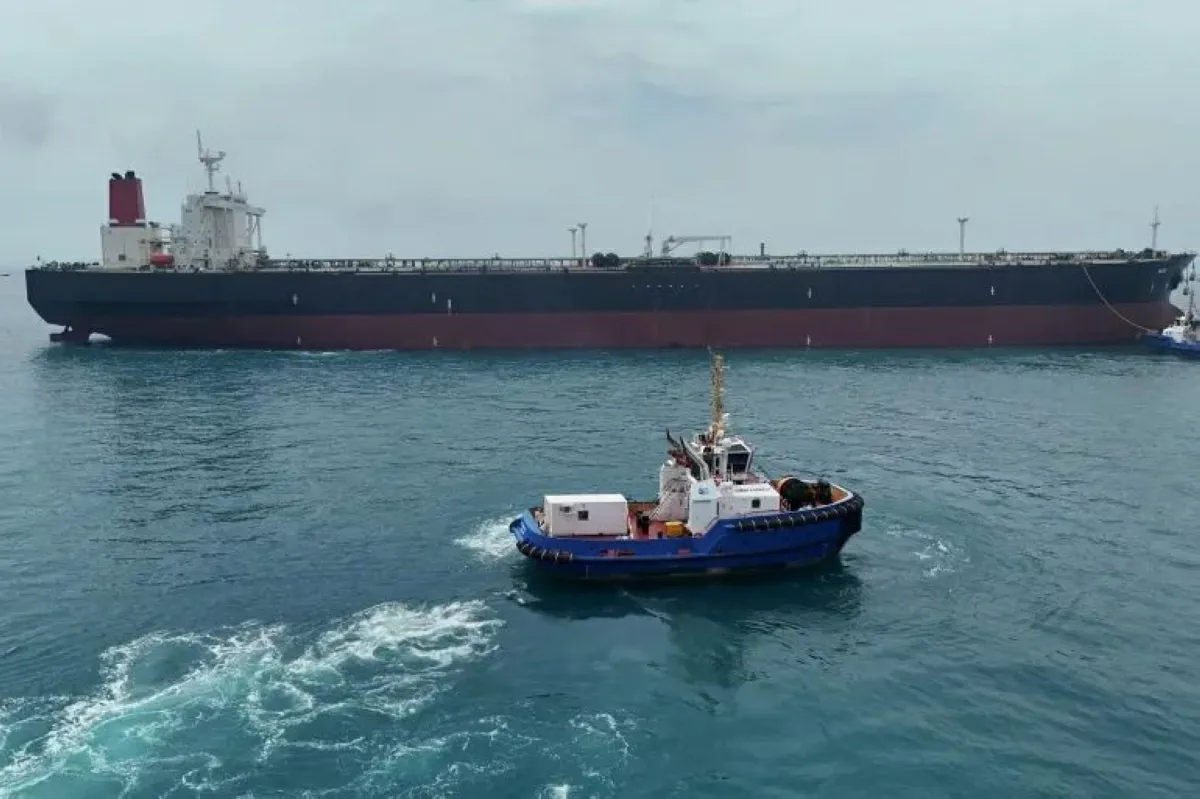
Brent crude and US WTI slid Tuesday as traffic through the Strait of Hormuz gradually resumes, with shipping volumes moving toward pre-war levels. For decision-makers, that mix is squeezing physical crude cargo pricing and forcing fresh scrutiny of fuel margins and sanctions-driven policy risk.
Brent crude is back to levels not seen since the start of the Iran war episode, with prompt-month Brent for August down to $72.68 a barrel by 06:39 GMT, its lowest since February 27 before the attacks on Iran began. US West Texas Intermediate fell too, dropping 76 cents to $69.58 a barrel.
The market move is not subtle, and it has a clear driver: shipping traffic through the Strait of Hormuz is gradually resuming. Global benchmark Brent briefly fell below $72.48 a barrel, the level it was at the day before the US and Israel launched attacks on Iran on 28 February, before edging up to $72.63. After the conflict began, energy prices swung wildly as Iran effectively closed the strait, a critical waterway for oil and gas shipments. Now, the same chokepoint is gradually reopening, and the market is pricing in more supply.
To understand why this matters, you have to understand how fast the oil market reacts to logistics. Tanker routes can be turned into a bottleneck in days, and a chokepoint story can overpower demand stories in the short run. In this case, the supply side narrative gained traction as the US and Iran moved from escalation to a negotiating rhythm. The pressure on prices has been moving sharply lower since a Memorandum of Understanding (MOU) was signed on 17 June, setting out a 60-day period for negotiations on Tehran's nuclear programme and other measures to end the war.
The weekend talks in Switzerland between US and Iran helped put numbers behind that shift. Those talks resulted in the US partially lifting sanctions on Iranian oil exports. That policy change affects more than just Iran's own barrels, because sanctions and routing constraints ripple through global physical crude markets. The result, according to the report, is that rising Middle East supply, plus expectations that Iran will boost sales after a temporary reprieve from US sanctions, has driven down prices of physical crude oil cargoes around the world. In other words: markets are not waiting for oil to be pumped, they are watching when it becomes “movable,” and “movable” is back.
The Strait of Hormuz data has been central to this repricing. US Energy Secretary Chris Wright told an energy forum in Japan that flows through the strait were close to those before the start of the Iran war, with at least 20 million barrels having exited the strait in the past 24 hours. Maritime intelligence firm Kpler says the number of vessels crossing the strait has risen significantly since the MOU was signed. The ships passing through in recent days include those carrying crude oil, liquefied natural gas (LNG), fertiliser and other goods, Kpler told the BBC.
There are also new layers of “how” those barrels move, not just “how much.” Mediators Qatar and Pakistan said in a joint statement on Monday that the US and Iran formed a “communication line” to prevent misunderstandings with the aim of safe passage for commercial vessels through the Strait of Hormuz. Marisks chief executive Dimitris Maniatis described a “tremendous shift,” saying far more ships are using the strait in recent days. His company estimates around 80 ships have crossed the Strait of Hormuz since Monday after the first round of peace talks between the US and Iran in Switzerland. Maniatis also flagged the constraints: a limited number of ships can cross a northern passageway with the permission of Iranian authorities.
Meanwhile, the US navy has provided guidance for vessels to travel through a southern route that is safe from mines and other obstacles laid out since the war. Even with these improvements, the report is careful not to declare full normalization. The number of ships crossing the strait is still below pre-war levels, when it was used by more than 100 ships a day. Hundreds of ships still appear to be waiting in the Gulf. That gap between “resuming” and “restored” matters for executives because it implies uneven recovery: some lanes and some cargos clear faster than others, which can keep volatility alive even as benchmarks sink.
The practical question for companies is what happens next to prices and policy pressure. Oman opened temporary routes on Wednesday to ease tanker departures from the strait, coordinating movements with the International Maritime Organization and Omani authorities. Iran’s Revolutionary Guards warned against any crossings of the Strait of Hormuz without authorisation, saying vessels not complying “will be dealt with,” and condemning the new routes. That tension signals that operational risk is still real, even as traffic increases.
And then there is the “at the pump” politics. Fuel prices in the US rose sharply when the Iran war began, and now the focus is on how quickly they will fall. The average price of regular gasoline in the US has dropped to around $3.93 a gallon after reaching $4 a gallon in April, its highest since 2022, but it is still well above pre-war levels. On Wednesday, US President Donald Trump ordered an investigation into major energy companies, accusing Shell, ExxonMobil and other firms of “gouging” drivers by not reducing fuel prices even as oil costs fell. Trump told reporters in the Oval Office: “Oil prices have come down so much and we are not seeing anything at the pump by comparison the way they should be.” The American Petroleum Institute said fuel prices “don't move in lockstep with crude oil.”
The regulatory backdrop matters for boards too. In the UK, British energy firms have also faced accusations of unfairly hiking petrol prices since the Iran war. The UK competition watchdog said last month there was no widespread evidence of this, adding that average profit margins were “broadly unchanged” between February and March.
So the strategic stake is bigger than today’s benchmark chart. When Strait logistics loosen, crude can fall quickly, but retail pricing and sanctions dynamics do not always track the same way. Executives watching energy costs, supply chain reliability, and public regulatory scrutiny should treat this as a reminder: the physical market can move first, but governance and pricing narratives can lag, and that lag can become the next headline that governments aim at.
This story's Key Insights and Take-aways are locked.
Create a free account to unlock Executive Actions for one credit.
Register to UnlockAlways free for Executives Club members. Join the Club
More in Business

Anthropic’s Levant Alpöge cracks the Jacobian conjecture after 87 years
A Harvard valedictorian used Claude to hit a 1939 breakthrough, but the missing “why” is the real problem.

Uber buys Delivery Hero for nearly $15B, vaulting to top food delivery outside China
The deal doubles Uber's dual-services footprint and pushes a ride-and-eats bundling play into 50 more markets.

Epic and Google drop settlement bid, forcing rival Android app stores by July 22
Google told the court it is ready to carry third-party app stores starting Wednesday, July 22.