
Bricks & Minifigs offers to return $200,000 LEGO haul and shut the Salem store
The reseller says it will give Bryan Mansell his Star Wars sets back, drop its lawsuit, and close the Oregon location, a reminder that messy franchise records can become public-relations and legal liabilities fast.
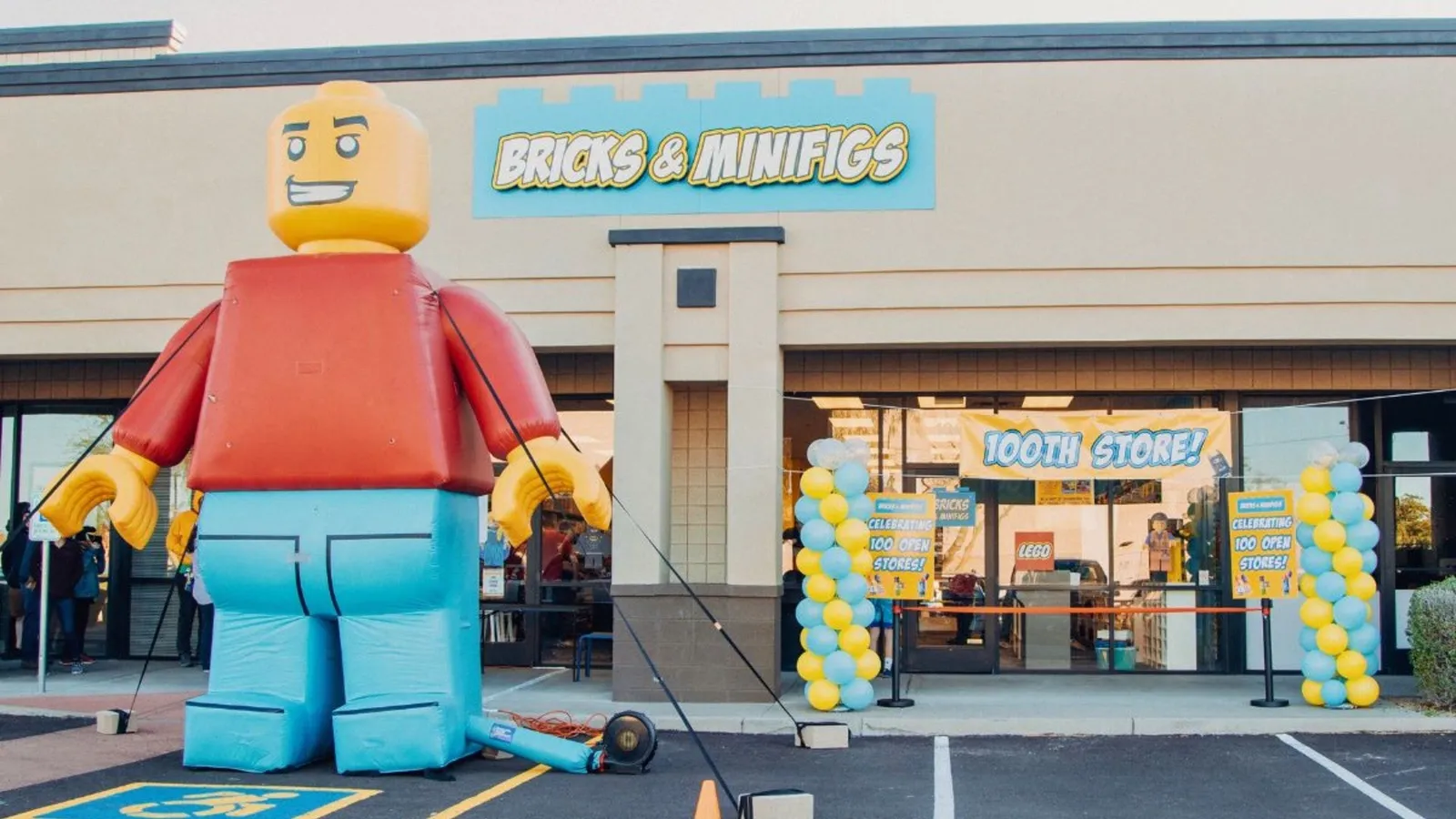
Bricks & Minifigs CEO Ammon McNeff said the company is ready to return Bryan Mansell's LEGO Star Wars collection, drop a lawsuit against him, and close the Salem, Oregon store tied to the dispute. The move shows how weak documentation, disputed franchise oversight, and a viral social media pileup can quickly turn a store-level disagreement into a brand-level risk.
Bricks & Minifigs is trying to put out a fire it no longer controls. CEO Ammon McNeff says the LEGO reseller is prepared to sit down with Bryan Mansell and his father, return the collection at the center of the dispute, and even give him any LEGO Star Wars set in the Salem store, whether the company says it belongs to him or not. The collection in question was valued by Mansell at $200,000, and the company says it is also ready to drop the lawsuit against him. That is the headline reality here: a collectibles retailer is now publicly offering to unwind a fight over a six-figure Star Wars stash, and it is doing so under the pressure of a saga that spilled from a franchise dispute into YouTube, police calls, and a PR mess.
The company is not just talking about one customer relationship anymore. Bricks & Minifigs also says it will permanently shut down the Salem, Oregon store where the drama happened and will mutually part ways with franchise owners Brandon Best and Joshua Johnson, citing a “devastating social media campaign.” Those two were featured prominently in videos from creator Reckless Ben, whose coverage turned the dispute into a public spectacle. For anyone running a franchise, the lesson is blunt: if the paperwork is shaky and the story gets loud enough online, the local problem stops being local very quickly.
The core of the dispute is a consignment deal that went sideways. Mansell says he brought in his elderly father's large LEGO Star Wars collection through a deal that would allow the store to sell the sets on his behalf for a cut of the revenue. Bricks & Minifigs says the situation was muddied by poor documentation and by questions around what the former franchise owner, Chrystal Gorman, did before the store changed hands. The company now says Gorman conducted an unauthorized consignment, while Gorman has contested that claim and said consignments were allowed under her franchisee contract. Bricks & Minifigs also accused her of “gross negligence” and said her management created the conflict. In plain English, the chain is arguing that the problem did not start with the latest owners, but with the paperwork and oversight that came before them.
That explanation matters because the company says its own review turned up evidence it should not have had to dig this hard to find. Matt McNeff, COO of Bricks & Minifigs, said the company found “critical data including three separate Star Wars Lot spreadsheets,” along with “an unknown, but accessible email account maintained by Ms. Law/Gorman.” He said that evidence showed the new franchisees were not aware of, or prepared for, the responsibilities of taking over a store from a forensic accounting standpoint. He also said the company was dealing with an ex-franchisee who still had connections to, and in one instance ownership of, company-marked data through a personal email account. His point was not subtle: if a collector walks in claiming a formal relationship with a former franchisee and the store fails to disclose the full history, that is a due-diligence failure, not just a customer-service miss.
The company is now trying to close the loop by offering a face-to-face reset. In McNeff's words, Bricks & Minifigs wants to “go through the spreadsheets and POS data together and ensure you are made whole monetarily” and ensure that whatever Star Wars LEGO was or remains in the Salem store, “whether you identify as yours or not, you can have it.” The company also says it will compensate Mansell for anything unaccounted for, including what it says Ms. Law/Gorman failed to compensate him for without his knowledge. That is a striking public posture for a retailer: not just returning merchandise, but promising to audit the transaction history and settle the money side too. It is the kind of move companies usually only make when they believe the reputational cost of delay is higher than the cost of concessions.
The wider story only gets stranger from there. According to the recap from last month, the dispute escalated after Reckless Ben posted a video about the situation. Ben alleged that local police failed to help him or Mansell even when it came to serving papers to Best and Johnson. He also said Best and Johnson weaponized the police against him after he was pulled over and accused of possessing heroin, though no drugs were found in the search. Ben was later arrested on stalking charges, then released on bail, and later faced another arrest warrant, prompting him to allegedly flee to Mexico, where he has been living off Patreon money. Bricks & Minifigs then sent a legal notice to Patreon asking for Ben's account to be shut down. Patreon CEO Jack Conte responded in a video denying the request, telling the LEGO reseller to “stuff it,” and inviting the company to sue if it wanted. That sequence matters beyond the novelty of it all because it shows how quickly a franchise dispute can drag in platforms, creators, and enforcement narratives that have nothing to do with toy bricks.
For executives, the strategic signal is simple. This was not just about one collector and one store. It became a test of records, disclosure, franchise handoffs, and how much a brand can tolerate before it chooses a public reset. Bricks & Minifigs is now betting that a shutdown, a settlement offer, and a split from the Salem franchisees will stop the bleeding. Whether Mansell accepts the offer is still unresolved. But for every operator with consignment inventory, franchise transitions, or customer data spread across personal emails and store systems, the message is already clear: sloppy handoffs are cheap until they are very, very public.
This story's Key Insights and Take-aways are locked.
Create a free account to unlock Executive Actions for one credit.
Register to UnlockAlways free for Executives Club members. Join the Club
More in Business

Anthropic’s Levant Alpöge cracks the Jacobian conjecture after 87 years
A Harvard valedictorian used Claude to hit a 1939 breakthrough, but the missing “why” is the real problem.

Uber buys Delivery Hero for nearly $15B, vaulting to top food delivery outside China
The deal doubles Uber's dual-services footprint and pushes a ride-and-eats bundling play into 50 more markets.

Epic and Google drop settlement bid, forcing rival Android app stores by July 22
Google told the court it is ready to carry third-party app stores starting Wednesday, July 22.