

BTS turned MetLife into a 2.5-hour ARIRANG statement on Aug. 1
Two weeks after the World Cup halftime flex, the group delivered a full ARIRANG World Tour night and spilled fan messages on the jumbotron.

BTS returned to MetLife Stadium on Saturday, Aug. 1, delivering nearly two and a half hours of ARIRANG World Tour content across songs and fan favorites. For decision-makers, the show shows how major global artists use venue-scale attention, tour pacing, and real-time audience messaging to manage reputation during regulatory and awards-season pressure.
Two weeks after the world watched BTS perform “Dynamite” at the first-ever World Cup Final Halftime Show at MetLife Stadium, the group came back for a full two and a half hours of the ARIRANG World Tour on Saturday, Aug. 1. This wasn’t a quick encore moment. It was a full reset of the narrative, with nearly every song from the multi-week Billboard 200 chart-topper performed, plus classic hits and fan favorites.
Just as important for anyone tracking cultural influence as a business asset: the night was built as a near-nonstop ARIRANG showcase, but it also carried emotional and strategic context. The members’ earlier this week statement said they would not submit their music to this year’s Grammy Awards. That decision was not directly extended during the MetLife set, but ARMY messages still made it to the jumbotron, while BTS kept the energy upbeat. RM told the crowd, “Whatever's next, guys, ARMY's, I want to stay positive. I will never take this love for granted. I hope you had a great time tonight, I love you so much,” before blowing a kiss.
If you’re thinking like an operator, the interesting part is how BTS separated spectacle from signaling. The show emphasized what they could do on the biggest stage, not an extended policy fight in the microphone. The crowd interaction did the heavy lifting instead. Throughout the night, BTS members, including RM along with Jin, Suga, J-Hope, Jimin, V, and Jung Kook, repeatedly framed the performance as the start of the world tour’s second North American leg. That matters because framing is a resource. It turns a single concert into a storyline that carries forward into the next dates, which then supports demand planning, partner activations, and the sponsor ecosystem around large-scale tours.
Then there’s the “infrastructure” angle. MetLife Stadium is not just a venue. It is a broadcast-capable platform where live performance becomes mass media. The source notes that ARMY messages appeared on the jumbotron, meaning audience sentiment did not stay confined to the stands. That is a second-order effect executives should notice: when you have a platform that can project real-time crowd messaging, you create a feedback loop between fans and brand operators. It also turns marketing into something closer to live governance, where community signals can shape the tone of the event even without direct statements from the artists.
The earlier World Cup Final Halftime Show set the high bar. BTS performed “Dynamite” alongside fellow global superstars Madonna, Shakira, Coldplay, and Justin Bieber. That bill was the kind of lineup that effectively says, “Global pop is a floor, not a ceiling.” Two weeks later, BTS didn’t try to replicate the halftime format. They stretched into a deeper catalog and world-tour storytelling, leaning into the ARIRANG brand and nearly every song from the multi-week Billboard 200 chart-topper. For anyone running a media or entertainment strategy, it highlights a playbook: when you have mainstream visibility, you can convert it into deeper engagement through duration, variety, and identity.
The Grammy part adds a different dimension. The source says there was an absent direct extension of the collective statement the members issued earlier this week announcing they would not submit their music to this year’s Grammy Awards. In other words, they did not turn the concert into a press conference about industry gatekeeping. But the absence is still information. It suggests the group chose to keep the show’s tone cheerful while letting community messages fill the gap. That balancing act is a reputational risk-management move. You avoid polarizing the audience mid-show, while still acknowledging the pressure point that fans care about.
Looking ahead, BTS has a clear geographic arc: after a second MetLife date on Sunday, Aug. 2, BTS head to Boston and ultimately close the leg with a four-night stand at Los Angeles’ SoFi Stadium in September before heading off to other continents. For decision-makers watching similar enterprise-scale entertainment models, the operational implication is straightforward: tour pacing is strategic. You don’t just book dates, you build momentum, carry engagement across regions, and use landmark venues to sustain attention. The more the event functions like a rolling narrative, the more sponsors and partners can align their campaigns to a consistent storyline rather than a one-off moment.
Finally, there’s a cultural business signal buried in the source’s own note of “the beautiful celebrations of Korean culture” and even a “Nas shoutout” among the best moments. Those details underscore what makes this beyond a concert recap. BTS is effectively translating national cultural identity into a global format at stadium scale, where mainstream audiences can participate without needing a translator. That’s the competitive edge that boards and founders care about when they think about brand power. It’s not only about chart performance. It’s about the ability to command attention, manage messaging, and keep a community activated across months of execution.
This story's Key Insights and Take-aways are locked.
Create a free account to unlock Executive Actions for one credit.
Register to UnlockAlways free for Executives Club members. Join the Club
More in Entertainment

'It's a Magic Trick': Ballet Experts Say Rosalía's SNL Pose Is Impossible
Three ballet experts tell Rolling Stone Rosalía's gravity-defying SNL stillness shouldn't be possible - and why the debate is now part of the show.

Activision CMO: GTA 6 Will Boost Call of Duty, Not Bury It
Activision's top marketer says Rockstar's blockbuster will drive players back to consoles and into Modern Warfare 4, even as the company admits its recent strategy failed.
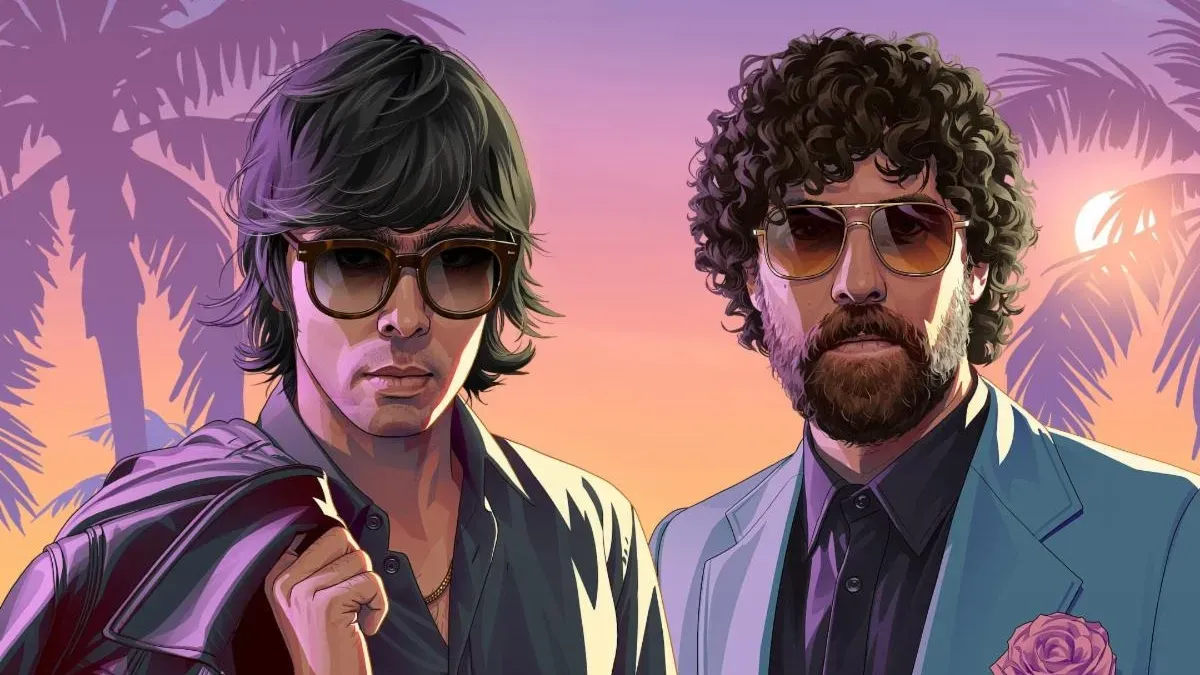
Justice to Score GTA 6, Share New Song with Tame Impala, SZA, King Gizzard
Rockstar taps the French duo for the GTA VI score, and the first taste is a genre-melting collab with Tame Impala, SZA, and King Gizzard & The Lizard Wizard.