
Burnham’s rough-sleeping vow is how he signals the kind of PM he wants to be
Policy choices start immediately, and they tell markets, voters, and rivals what “priority” means in practice.
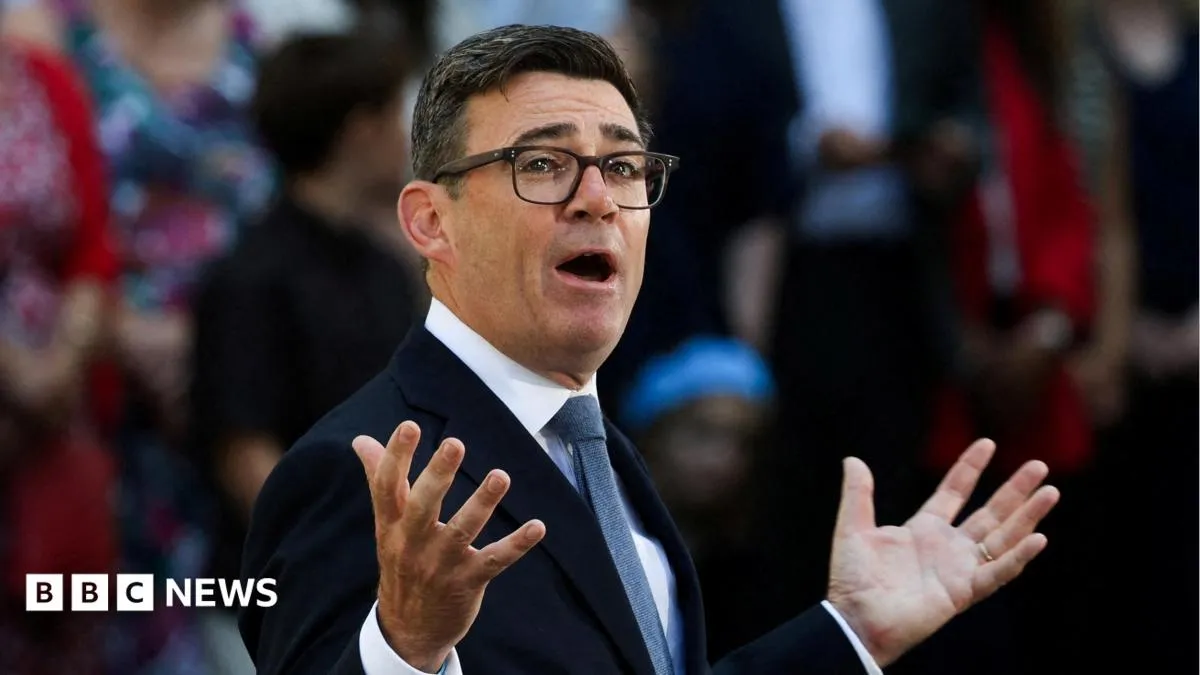
In the BBC's analysis, the new prime minister, Burnham, has begun setting out key policies, leading with a vow to end rough sleeping. The consequence for decision-makers is clear: the government’s early agenda will shape funding decisions, delivery timelines, and expectations across public services.
The new prime minister has begun to set out key policies, starting with a vow to end rough sleeping. That is not just a domestic promise. It is a fast signal about how Burnham wants to govern, how aggressively he plans to execute, and where he thinks political capital should go first.
In his opening policy messaging, Burnham puts ending rough sleeping at the center of the agenda. The BBC frames this as a revealing choice, because the first big commitment a new leader makes often becomes the template for everything that follows. If your earliest spotlight is on homelessness, you are essentially telling the country that housing, welfare delivery, and frontline services are going to be treated as a core priority, not an afterthought.
Why does that matter beyond politics? Because rough sleeping sits at the intersection of multiple systems that normally move at different speeds. Housing supply and affordability, local authority capacity, health services for people with complex needs, and the incentives that govern contracted services all have to line up. When a prime minister publicly elevates one outcome, it changes the internal incentive structure across government agencies and across the delivery chain. Departments that might otherwise compete for attention can get reorganized around measurable progress, or at least around an agreed narrative of progress.
There is also a practical governance point here. End-to-end homelessness support is rarely a single-program problem. It is typically a portfolio of interventions that include prevention, emergency accommodation, outreach, mental health and substance-use support, and pathways back to stable housing. For a new government, leading with a vow like this raises the stakes around coordination. If delivery is fragmented, the early promise turns into a credibility stress test. If coordination improves, the same promise becomes a catalyst for structural reform.
From a regulatory and compliance angle, housing and homelessness policy often pulls in rules that touch both public bodies and providers. Even without new numbers in the BBC’s excerpt, executives should recognize the pattern: when the central government makes a headline objective, it tends to intensify reporting requirements, reshape procurement expectations, and increase scrutiny of outcomes. Boards and senior managers in sectors that work with local councils, housing associations, health partners, and supported services often feel these shifts indirectly, through contract terms, performance metrics, and funding cycles.
Second-order effects can show up in local government behavior too. Local authorities usually have to translate national priorities into concrete plans within existing budgets and statutory duties. A prime minister’s early emphasis can change what gets funded, what gets paused, and which partnerships become non-negotiable. It can also affect political bargaining between national and local levels. If the central narrative is urgency, local leaders may be pressed to show traction quickly, even while the underlying work, like housing availability, takes longer.
There is also a reputational stake for Burnham that the BBC analysis hints at through its framing. A vow to end rough sleeping is visible to the public. It is hard to hide behind abstract policy language. That makes it a revealing policy choice because it tests the PM’s appetite for sustained effort. Ending rough sleeping is not a one-season initiative. It requires continuity, data discipline, and long-run investment, along with the ability to sustain attention when the immediate headlines fade.
For executives and board members watching from the sidelines, the strategic read is straightforward. Burnham’s first policy choice is likely to function as an organizing principle for government messaging and, by extension, resource allocation. If rough sleeping is first, it signals where the government expects progress to be made, where delivery will be monitored, and where partners will be asked to align. In other words, this early vow is not just a statement of intent. It is a preview of the kind of PM Burnham wants to be, and the kind of policy environment decision-makers should be preparing for.
This story's Key Insights and Take-aways are locked.
Create a free account to unlock Executive Actions for one credit.
Register to UnlockAlways free for Executives Club members. Join the Club
More in Politics

Joseph Aoun meets Trump in Washington as Hezbollah disarmament pressure spikes
Aoun's Tuesday meeting comes after the US began implementing an agreement for Lebanese army control of south Lebanon pilot zones.

Trump rejected nearly 6,000 clemency bids, granting fewer than 20 on July 3
A hoped-for pardon wave for the 250th birthday fizzled fast, leaving boards and political teams to recalibrate.
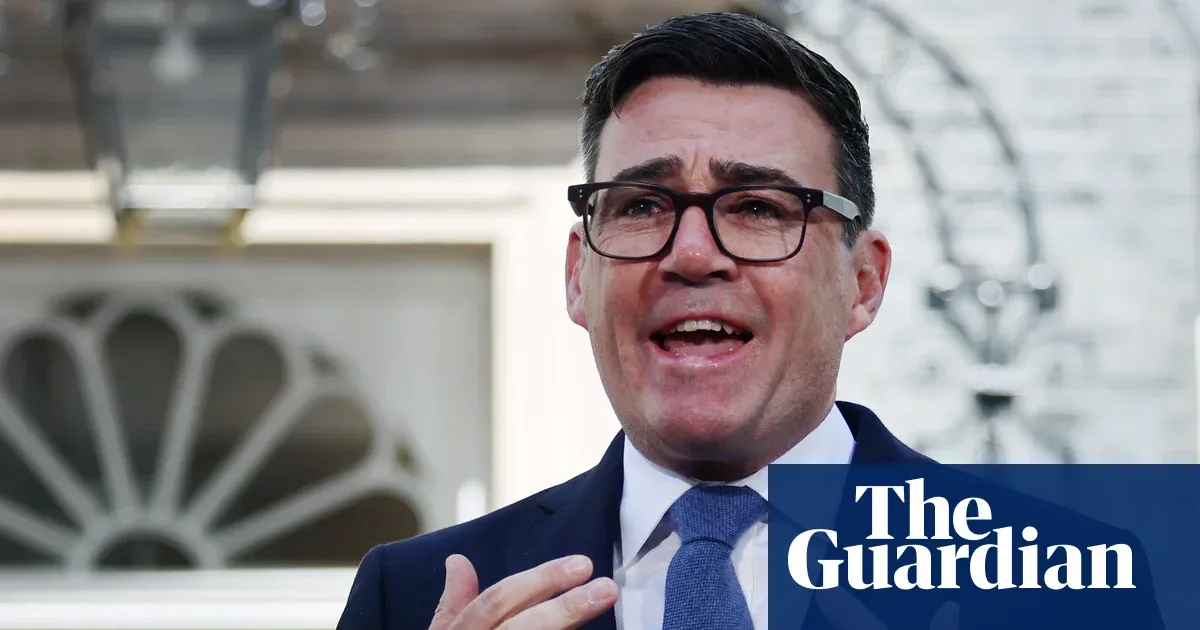
Andy Burnham starts day one in No 10, and the awkwardness begins fast
From living arrangements to US president conversations, this briefing maps the real friction in Burnham’s first hours as PM.