

Canelo fights in Riyadh after airport strike kills 12
Boxing's biggest star keeps his title shot in Saudi Arabia days after a deadly missile attack, testing the kingdom's sports-washing playbook.
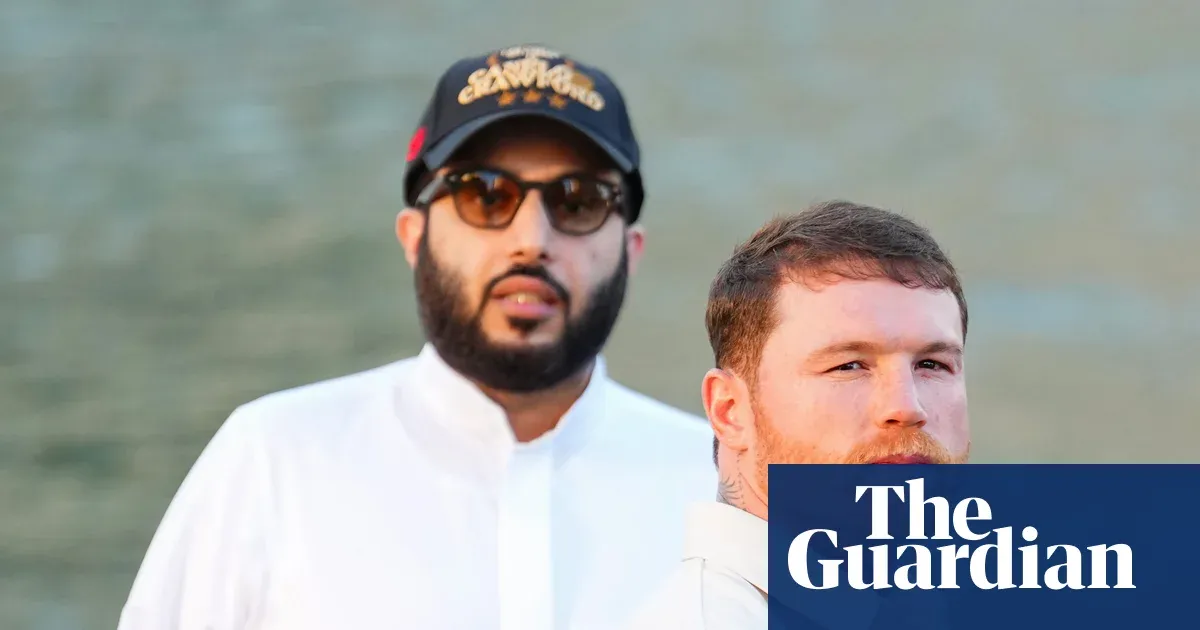
Canelo Álvarez will proceed with his WBC super-middleweight title fight in Riyadh on 31 October despite a missile strike on the Saudi capital's airport that killed at least 12 people and wounded more than 300, according to Turki al-Sheikh, the Saudi official who has become boxing's most influential power broker. The decision signals that Saudi Arabia's multibillion-dollar sports investment strategy remains resilient even amid regional security shocks, and it forces executives, athletes, and sponsors to weigh reputational risk against financial reward.
Canelo Álvarez intends to go ahead with his world title fight in Saudi Arabia later this month despite a series of deadly attacks on airports and other infrastructure in the kingdom, according to Turki al-Sheikh, the Saudi official who has become one of boxing's most influential power brokers. The Mexican superstar is slated to challenge the unbeaten Christian Mbilli for the WBC super-middleweight title in Riyadh on 31 October, three weeks after Saturday's missile strike on the Saudi capital's main international airport killed at least 12 people and wounded more than 300. Álvarez, who is seeking redemption after a defeat to Terence Crawford, has vowed to fight, and al-Sheikh says the show will go on.
For executives watching the intersection of sports, geopolitics, and capital, the fight is a stress test of Saudi Arabia's strategy to buy influence through athletics. Since the Public Investment Fund poured billions into LIV Golf, the Premier League, and a wave of boxing and soccer events, the kingdom has used marquee matchups to project normalcy and attract tourism and investment. A missile strike on the airport in Riyadh, the very gateway for international visitors arriving for the fight, would have given organizers a plausible off-ramp. Instead, the decision to proceed sends a clear signal: the sports calendar is now a strategic asset, and security incidents will not be allowed to derail it.
The attack itself is a reminder of the regional volatility that sits beneath the surface of Saudi Arabia's transformation agenda. The strike on the main international airport killed at least 12 people and wounded more than 300, according to the source, and it was part of a broader series of attacks on airports and other infrastructure. For global companies that have signed sponsorship deals, hospitality packages, or broadcast agreements tied to Saudi events, the calculus is now more complicated. The financial upside of access to the kingdom's capital and consumer market remains enormous, but the reputational and operational risks are no longer hypothetical. Boards that signed off on Saudi partnerships in calmer moments now have to ask what their contingency plans are when the host country's infrastructure comes under direct attack.
Álvarez's personal stake adds another layer. The Mexican superstar is not just any fighter; he is one of the highest-paid athletes in the world and a rare crossover figure whose fights draw massive pay-per-view audiences in the United States and Mexico. His decision to fight in Riyadh despite the attacks, and his public vow to fear nothing, effectively endorses the Saudi model at a moment when some athletes and entertainers have faced backlash for appearing in the kingdom. For other top athletes weighing similar offers, the message is clear: the money is real, the stage is global, and the security concerns, while real, are being framed as part of the job. That framing is a powerful tool for the Saudi sports machine, and it is one that rival hosts in Qatar, the UAE, and the United States will have to match or counter.
The fight also matters for the business of boxing itself. Turki al-Sheikh has become one of the sport's most influential power brokers, effectively acting as a kingmaker who can make or break major fights by deploying Saudi money. His ability to keep a marquee event on schedule after a deadly attack strengthens his position as the sport's central financier and consolidates Riyadh's role as the default venue for the biggest nights in boxing. For promoters, broadcasters, and fighters, that means the center of gravity in the sport has shifted decisively toward the Gulf, and the usual levers of the American boxing establishment are no longer the only path to a career-defining payday.
For executives in any industry, the episode is a case study in how capital flows can override conventional risk assessment. The same logic that keeps companies operating in conflict zones, or that drives investment into markets with unstable neighbors, is now visible in the sports and entertainment economy. The decision to proceed with the fight is not irrational; it is a calculated bet that the event will be safe, that the global audience will watch, and that the long-term strategic gains from hosting the fight will outweigh the short-term optics of staging a celebration in a country that was just attacked. Whether that bet pays off will be measured not just in ticket sales and broadcast numbers, but in the willingness of the next athlete, sponsor, or CEO to say yes to Riyadh.
The broader lesson for boards and executives is that the sports-washing era has entered a new phase. It is no longer about buying a golf tournament or a soccer team and hoping the headlines are good. It is about maintaining a multi-billion-dollar calendar of events through security crises, diplomatic pressure, and public scrutiny. Companies that partner with Saudi-backed properties need to stress-test their own exposure: What happens if an event is attacked? What happens if an athlete pulls out? What happens if the narrative shifts from sports-washing to risk-taking? The answers to those questions will determine whether the next decade of global sports investment is defined by Riyadh's ambition or by the limits of what sponsors and audiences will tolerate.
For now, Canelo Álvarez is fighting. The airport will be repaired, the fighters will weigh in, and the broadcast will go out to millions of homes. But the strike that killed 12 people and wounded more than 300 will not be forgotten, and the decision to proceed will be debated for years. For executives watching from the sidelines, the fight in Riyadh is not just a sporting event. It is a signal about how the world's most ambitious capital allocators are willing to operate in a region where the risks are real, the rewards are enormous, and the show, it seems, must always go on.
This story's Key Insights and Take-aways are locked.
Create a free account to unlock Executive Actions for one credit.
Register to UnlockAlways free for Executives Club members. Join the Club
More in Business

Elon Musk unveils a flying car, and SpaceX helped build it
The Tesla CEO's showcase at a SpaceX facility signals a future where road and rocket engineering converge.

Apple's $2,000 iPhone Duo opens preorders, taking on Samsung and Google
Apple's first foldable hits the market at a premium price, reshaping a category Samsung and Google have led.

Pope Leo XIV, first American pope, diagnosed with lung cancer
The 71-year-old Chicago-born pontiff underwent successful surgery on his right lung, and his diagnosis raises new questions about his AI-focused papacy and the Vatican's future.