

Cape Fear stalls on Apple TV charts after a June 5 premiere
Despite Steven Spielberg and Martin Scorsese executive-producing and an A-list cast, the crime thriller is sliding.
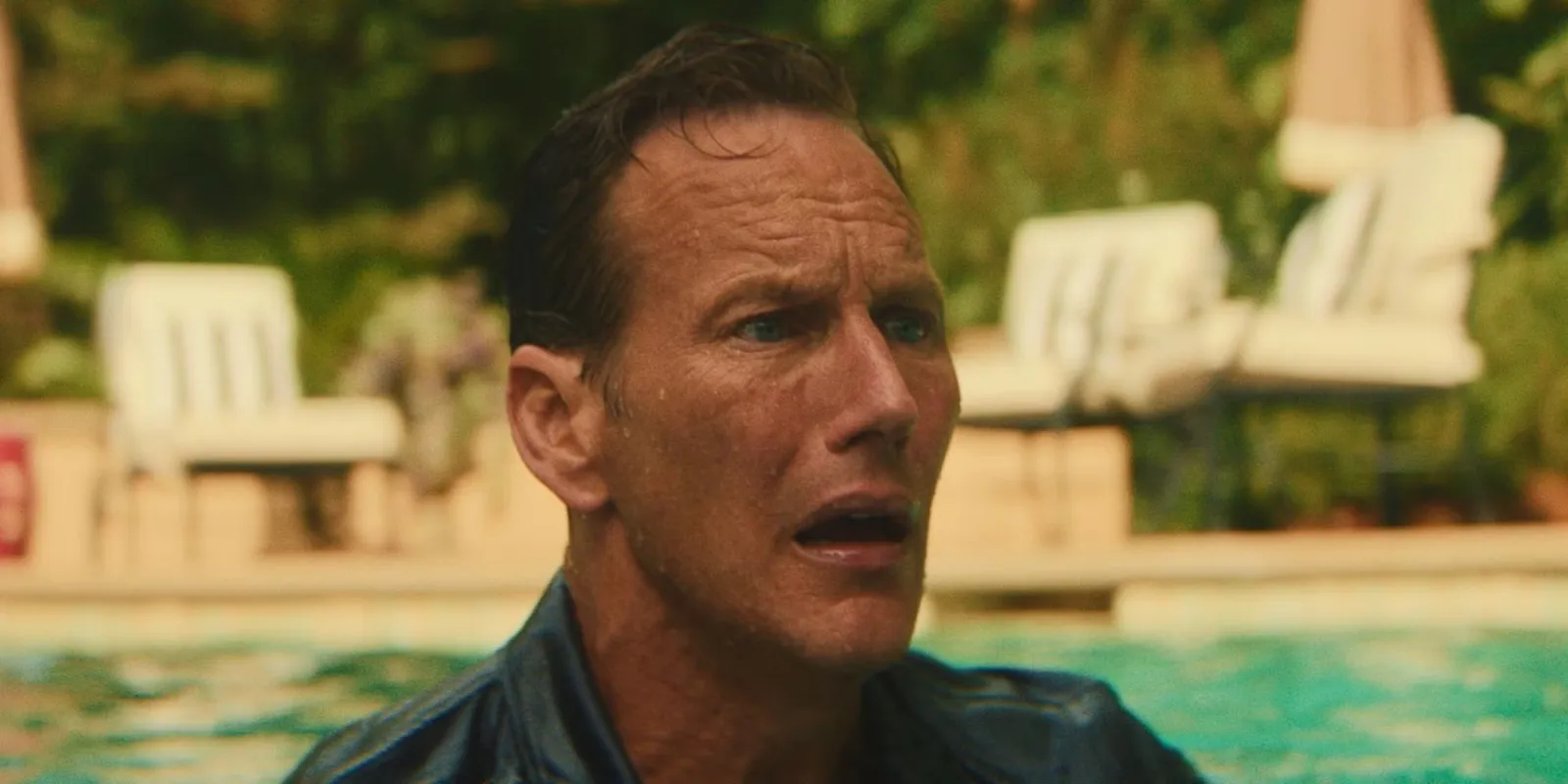
Apple TV's crime series Cape Fear, executive produced by Steven Spielberg and Martin Scorsese and premiering June 5, has only converted part of its hype after four episodes. For decision-makers, the real question is how “star power” and critical buzz translate into chart performance during a crowded streaming cycle.
Apple TV’s crime thriller Cape Fear arrived with the kind of packaging streaming executives dream about: a star-studded cast, Oscar-level credentials, and executive production from industry heavyweights. It premiered June 5 with positive reviews and, per the run plan, has aired four episodes so far, with the full 10-episode series set to conclude July 31. But the early chart story is less glamorous, with the show currently plummeting on Apple TV charts rather than cruising upward.
That matters because Apple’s summer slate was supposed to be a victory lap. The platform has seen up to four new shows delivering near-perfect scores on Rotten Tomatoes, and at least one of those titles reportedly rode word-of-mouth into mainstream attention. Cape Fear is the one that looks like it is failing to cash in on that same momentum, even with the marketing emphasis on its marquee names and the behind-the-scenes pedigree Spielberg and Scorsese bring. In streaming, the gap between “good reviews” and “top-of-chart behavior” is where strategies go to be stress-tested.
Cape Fear is positioned as an A-list play, not a sleeper. The series includes a cast featuring an Oscar winner and a six-time nominee, and the executive production team reads like a film history timeline: Steven Spielberg and Martin Scorsese serving as executive producers. Apple made sure that was not buried. The marketing for the project underlined that pedigree right when it launched. Reviews were positive on June 5, and on paper, the ingredients for breakout success were there.
Then the charts told a different story. Only four episodes have aired so far, which means the show is not even through its middle yet, and still the chart performance is described as “plummets.” That is the key tension for executives: streaming metrics move quickly, and early traction can shape how audiences discover, whether recommendations amplify the title, and how internal stakeholders interpret “brand heat.” A show can be reviewed well and still underperform if it does not drive consistent week-to-week viewing.
This kind of disconnect is especially interesting in a market where word-of-mouth is both powerful and fragile. Apple had a sensational summer overall, with multiple new shows landing strong Rotten Tomatoes scores. At least one title broke out into the mainstream, suggesting that social and critical momentum can translate into broader audience pull. But Cape Fear appears to be stuck in a different conversion lane. That implies the problem is not necessarily the writing quality or general reception, since the source explicitly frames the premiere as earning positive reviews. Instead, the failure could sit in the funnel after the review bump: chart discoverability, audience intent, competing premieres, or how viewers decide whether a crime thriller is appointment viewing.
There is also a second layer that decision-makers should keep in mind. Streaming performance and platform reputation are entangled, and chart slippage can influence internal programming decisions like what gets promoted, what gets marketed harder next, and how quickly leadership revisits rollout strategy. It can also affect how talent and partners think about future collaborations, particularly when the original pitch includes that “legendary” executive production brand.
Regulatory background is not the obvious headline here, but media distribution and disclosure rules do matter indirectly. Streaming platforms operate in a heavily scrutinized environment globally, and while this article is focused on chart movement, the broader ecosystem includes consumer protection norms, competition concerns, and advertising transparency obligations that can shape how platforms market performance claims. In practical terms for executives, when a marquee title underperforms on charts, the marketing and measurement apparatus still has to reconcile with reality, and stakeholders eventually ask whether the promotion matched outcomes.
So what should peers in similar roles take from this? Cape Fear is still scheduled to finish its 10-episode run on July 31, so this is not a final verdict. But the early signal is clear enough to force a strategic conversation now: how much weight should companies place on star-driven credibility versus early chart behavior. If Apple’s near-perfect Rotten Tomatoes summer lineup is the template, Cape Fear is the counterexample. For platform leaders, investors, and production partners, the lesson is to treat “critical success” and “algorithmic traction” as related but not guaranteed. In streaming, the charts are where hype becomes habit.
This story's Key Insights and Take-aways are locked.
Create a free account to unlock Executive Actions for one credit.
Register to UnlockAlways free for Executives Club members. Join the Club
More in Entertainment

Russell Brand's accuser 'bewildered and confused' as he denies 7 sex charges
The criminal case against the comedian is a live test of how media companies manage talent risk when serious allegations go public.

'It's a Magic Trick': Ballet Experts Say Rosalía's SNL Pose Is Impossible
Three ballet experts tell Rolling Stone Rosalía's gravity-defying SNL stillness shouldn't be possible - and why the debate is now part of the show.

Activision CMO: GTA 6 Will Boost Call of Duty, Not Bury It
Activision's top marketer says Rockstar's blockbuster will drive players back to consoles and into Modern Warfare 4, even as the company admits its recent strategy failed.