
CD Projekt Red ends The Witcher 3 as we know it with Songs of the Past DLC
A decade-plus after Blood and Wine, CD Projekt Red is adding Songs of the Past to bridge The Witcher 3 and Witcher 4.
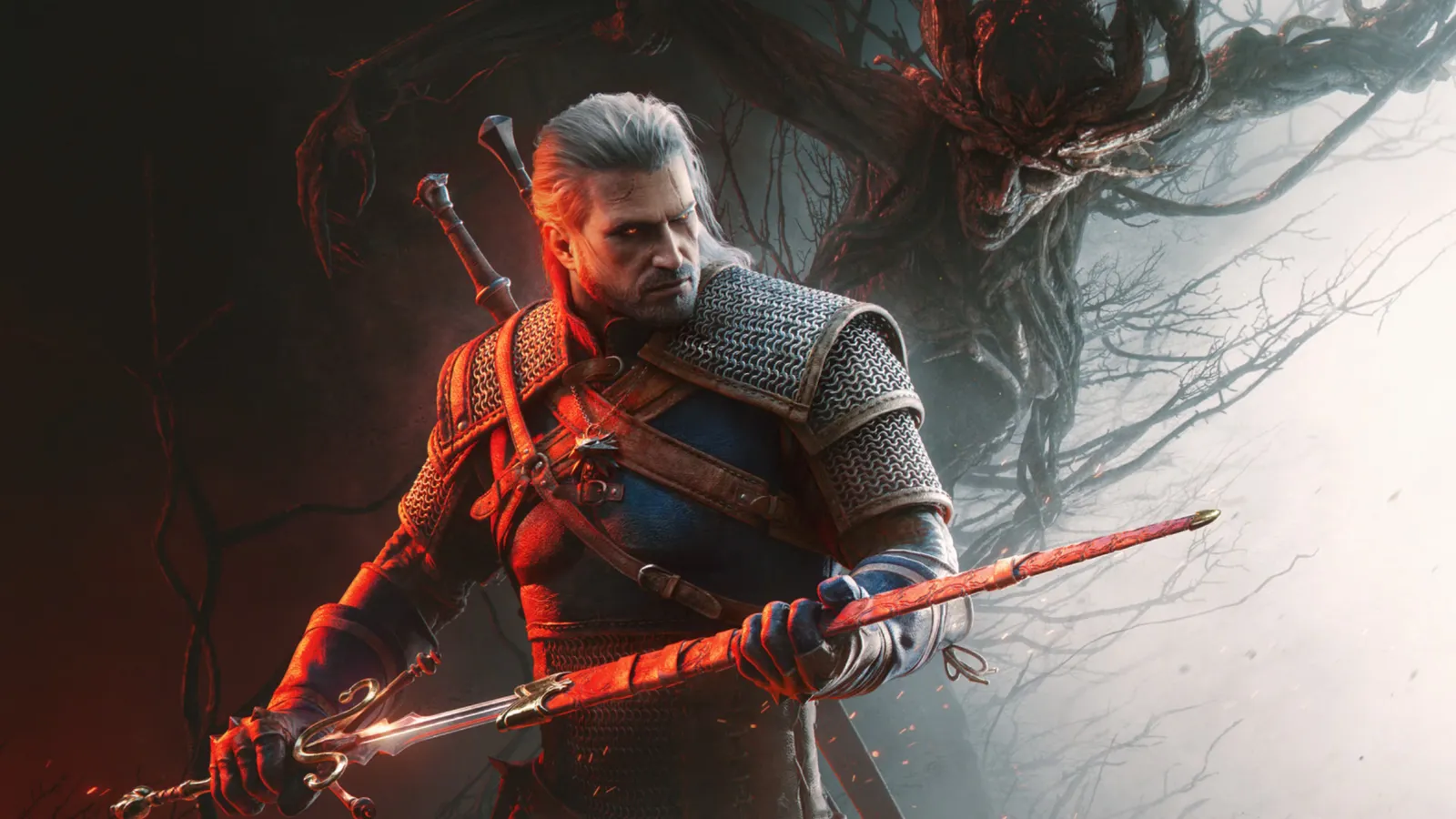
CD Projekt Red confirmed the upcoming Songs of the Past DLC for The Witcher 3: Wild Hunt. For decision-makers, it signals how long-running content strategies and narrative continuity can be monetized even after a franchise’s spotlight moves on.
CD Projekt Red has confirmed an upcoming release for The Witcher 3: Wild Hunt called Songs of the Past DLC. The twist is timing. This comes more than a decade after the previous major effort, Blood and Wine, which is the kind of gap that usually kills momentum and turns a franchise into nostalgia only.
So yes, The Witcher 3 is getting new content more than a decade after launch. And no, it is not just a “remember us” cameo. The general purpose of Songs of the Past is to bridge the narrative gap between Blood and Wine and the upcoming fourth game. In other words, the company is not merely extending an old title. It is actively building a story bridge to whatever comes next.
From a strategic angle, this matters because narrative is still the product for story-driven games, and continuity is what prevents player churn when attention shifts. When a sequel is in the pipeline, there is always a timing problem: gamers move on faster than studios can ship. A DLC that connects past events to future ones is a way to keep engagement alive without forcing people to “wait patiently” for the next big release. It also gives the studio an on-ramp back into the community conversation.
This is also a commercial read on how CD Projekt Red is managing long-lived IP. The Witcher 3 launched far enough in the past that many publishers would have stopped treating it like an active revenue stream. Here, the company is doing the opposite. It is using additional content to extend the franchise’s relevance while The Witcher 4 is still “upcoming,” which is a subtle but real shift in what success looks like. Instead of measuring only initial sales or immediate post-launch retention, the company is effectively leaning on multi-year franchise value.
There is a second-order incentive layer too: DLC as a low-risk narrative tool compared to building new systems from scratch. The source does not spell out production details beyond the confirmation and purpose, but the structure is clear. A DLC focused on bridging story rather than reinventing gameplay tends to be faster to deliver, easier to market, and simpler to align with existing player expectations. That alignment matters because the audience is already trained on The Witcher 3’s world, pacing, and tone. The studio does not have to sell players on “what kind of game this is.” It just has to earn their attention for one more chapter.
For decision-makers, the broader implication is how to think about “end of life.” In games, “over” is often treated like a switch. This move suggests it is more like a dial. Even when the primary release cycle is complete and the last major entry for that specific run was Blood and Wine, CD Projekt Red is still able to restart the attention engine. That can influence how boards and executives evaluate content roadmaps: not as one-time launches, but as timelines with optionality, where later releases can de-risk the path to the next sequel.
Now, the regulatory background angle is not about the content itself, but about the environment executives operate in when long-term digital entertainment schedules stretch across years. Regulatory frameworks around consumer protections, digital purchasing rules, and content disclosures vary by market, and the longer the lifecycle, the more opportunities there are to come under scrutiny. The source does not mention any regulator in this case, so there is nothing to cite directly. But the operational reality remains: extended DLC plans increase the number of touchpoints that must be handled cleanly, from storefront listings to customer communications to compliance. In that sense, turning The Witcher 3 into a multi-chapter runway is not just creative. It is also execution discipline.
Finally, look at the competitive signaling. If CD Projekt Red can return to a more than decade-old release with a purposeful narrative bridge, other studios with franchise back catalogs have a benchmark: long tail content can be strategic, not just leftover. For peers, the stake is whether they treat legacy titles as museums or as platforms. Songs of the Past suggests the latter. The strategic question now is simple: can the franchise momentum created by this bridging DLC convert into sustained anticipation for the upcoming fourth game, and keep the player base emotionally invested until it ships?
The answer will be in the reception. But the direction is already clear: CD Projekt Red is not letting The Witcher 3 fade out. It is rewriting the ending so the next chapter has somewhere to land.
This story's Key Insights and Take-aways are locked.
Create a free account to unlock Executive Actions for one credit.
Register to UnlockAlways free for Executives Club members. Join the Club
More in Entertainment

Russell Brand's accuser 'bewildered and confused' as he denies 7 sex charges
The criminal case against the comedian is a live test of how media companies manage talent risk when serious allegations go public.

'It's a Magic Trick': Ballet Experts Say Rosalía's SNL Pose Is Impossible
Three ballet experts tell Rolling Stone Rosalía's gravity-defying SNL stillness shouldn't be possible - and why the debate is now part of the show.

Activision CMO: GTA 6 Will Boost Call of Duty, Not Bury It
Activision's top marketer says Rockstar's blockbuster will drive players back to consoles and into Modern Warfare 4, even as the company admits its recent strategy failed.