

CDPR boss Michał Nowakowski admits Cyberpunk 2077 delayed trust redemption: “not 100 percent convinced”
His take on why The Witcher 4 has to rebuild belief, plus what it signals for any studio betting on sequels.
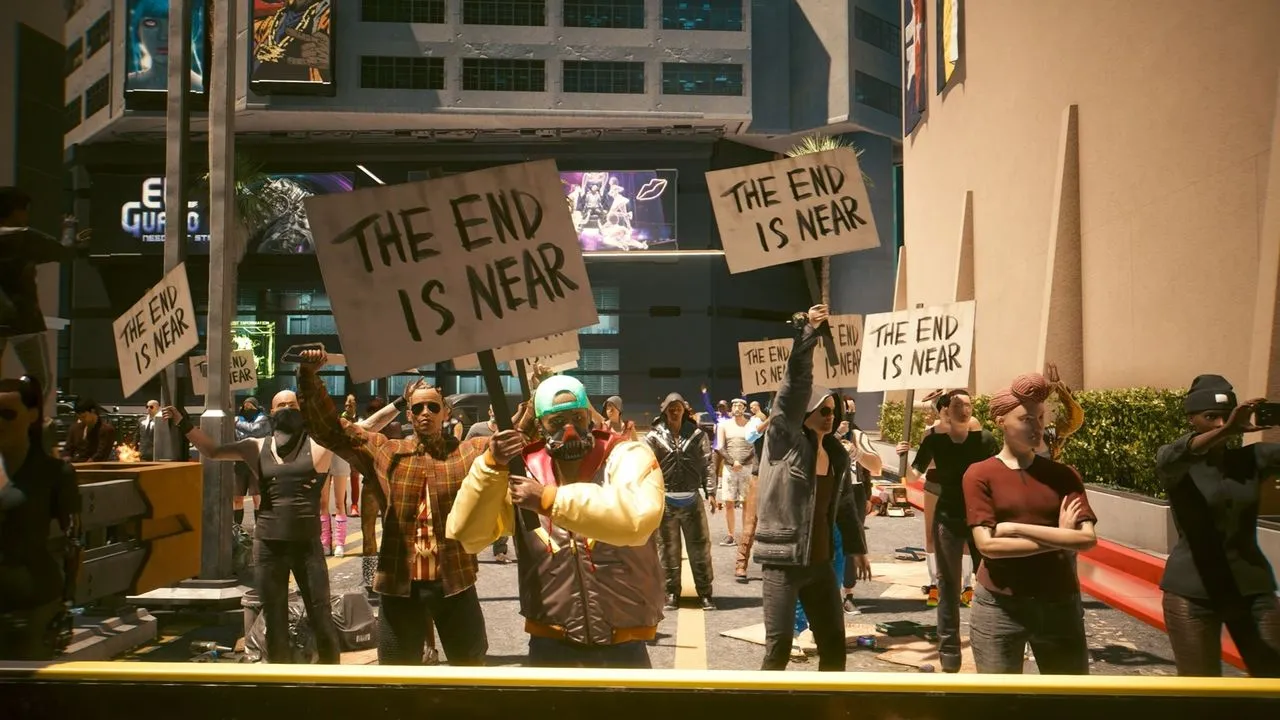
CD Projekt Red boss Michał Nowakowski says he hopes The Witcher 4 can win back fans still put off by Cyberpunk 2077's disastrous launch. He also suggests CDPR might not have completed a full redemption arc with that earlier release.
CD Projekt Red boss Michał Nowakowski is explicitly tying the future of The Witcher 4 to a single painful memory: Cyberpunk 2077’s disastrous launch. In his words, “I'm not 100 percent convinced we went through the full redemption arc,” and he believes CDPR “lost the faith of some people indefinitely” after the initial release.
That is the real headline inside the headline. Nowakowski is not just saying, “We made mistakes.” He is saying a chunk of the audience may have moved on for good, and that belief does not automatically repair itself through updates or follow-on content. For decision-makers, it matters because it frames trust as durable capital, not a switch you can flip. In other words, even a strong recovery effort may not fully undo the damage for the most skeptical players.
To understand why Nowakowski’s caution is significant, it helps to remember what happened around Cyberpunk 2077. The launch was not merely “rough.” It was disastrous enough that it became a defining reference point for the studio’s credibility. When fans perceive a first impression as broken promises, they start discounting future marketing and scrutinizing fixes, timelines, and the gap between what a game is sold to be and what it is at launch. Nowakowski’s phrasing, “indefinitely,” is doing a lot of work here. It acknowledges that some people do not return because they have better things to play, not because the studio later got everything right.
That brings us to the big strategic bet: The Witcher 4. Nowakowski’s hope is that the next major release will win back fans still put off. But he also seems aware that the “win back” plan cannot rely on vague goodwill. The Witcher 4 has to deliver something that addresses the specific reasons people lost faith. That typically means launch quality, performance expectations, and a tight alignment between pre-release messaging and day-one reality. When a prior flagship fails, every subsequent milestone is evaluated through the same scar tissue. Even good news may not be enough if it does not feel like a genuine reset.
There is also a governance and incentive angle here that boards and investors should not ignore. A studio like CD Projekt Red sits at the intersection of creative risk and market reputation. Creative teams want time to iterate. Financial stakeholders want predictable timelines and a believable delivery plan. Cyberpunk 2077’s launch effectively turned that tension into a public test of the company’s credibility. When Nowakowski says he is “not 100 percent convinced” of full redemption, it suggests internal leaders recognize that reputation effects can linger longer than product improvements.
And since we are talking about “redemption arcs,” regulators and oversight structures in the broader entertainment industry become relevant even if this particular source does not cite a regulator by name. Globally, the conversation around consumer protection and misleading representations in software has continued to intensify, especially in cases involving performance, refunds, and marketing claims. The lesson for executives is less about any single enforcement action and more about expectation setting. If customers believe a release is unready, their tolerance for later explanations shrinks. That creates second-order pressure on how companies communicate readiness, how they define launch criteria, and how they manage refunds or remediation.
Second-order implications also hit talent and development culture. After a high-profile launch failure, studios can get trapped between two harmful extremes: being overly conservative to avoid another fiasco, or rushing to prove competence and win back momentum. Nowakowski’s admission that the redemption process may not be fully complete reads like a guardrail against complacency. It is hard to “assume” trust will return when the company’s own CEO is saying he is not fully convinced it has.
So what should peers in similar roles take from this? For executives, the message is stark: recovery is real, but it is not guaranteed, and it does not necessarily restore the same audience segments. For boards, this is a reminder that reputation risk is not just brand damage. It can become a financial variable that changes how quickly a market reacts to future releases. The Witcher 4, in Nowakowski’s framing, is not only a game. It is an attempted repair of trust, and he is openly warning that the repair might still be incomplete for some people.
In the end, the strategic stakes are straightforward. When a flagship launch goes wrong, “fixing” it later is only part of the story. The other part is whether the most skeptical customers believe the next one will be different. Nowakowski’s hope for The Witcher 4 is also a candid admission of how long that belief can take to earn, and how costly it is to lose in the first place.
This story's Key Insights and Take-aways are locked.
Create a free account to unlock Executive Actions for one credit.
Register to UnlockAlways free for Executives Club members. Join the Club
More in Entertainment

Russell Brand's accuser 'bewildered and confused' as he denies 7 sex charges
The criminal case against the comedian is a live test of how media companies manage talent risk when serious allegations go public.

'It's a Magic Trick': Ballet Experts Say Rosalía's SNL Pose Is Impossible
Three ballet experts tell Rolling Stone Rosalía's gravity-defying SNL stillness shouldn't be possible - and why the debate is now part of the show.

Activision CMO: GTA 6 Will Boost Call of Duty, Not Bury It
Activision's top marketer says Rockstar's blockbuster will drive players back to consoles and into Modern Warfare 4, even as the company admits its recent strategy failed.