
Charli XCX headlines Lollapalooza 2026 Day Two after Music, Fashion, Film release
Rolling Stone reports Charli’s first festival date lands right after her “Music, Fashion, Film” drop, signaling a calculated cross-channel push.
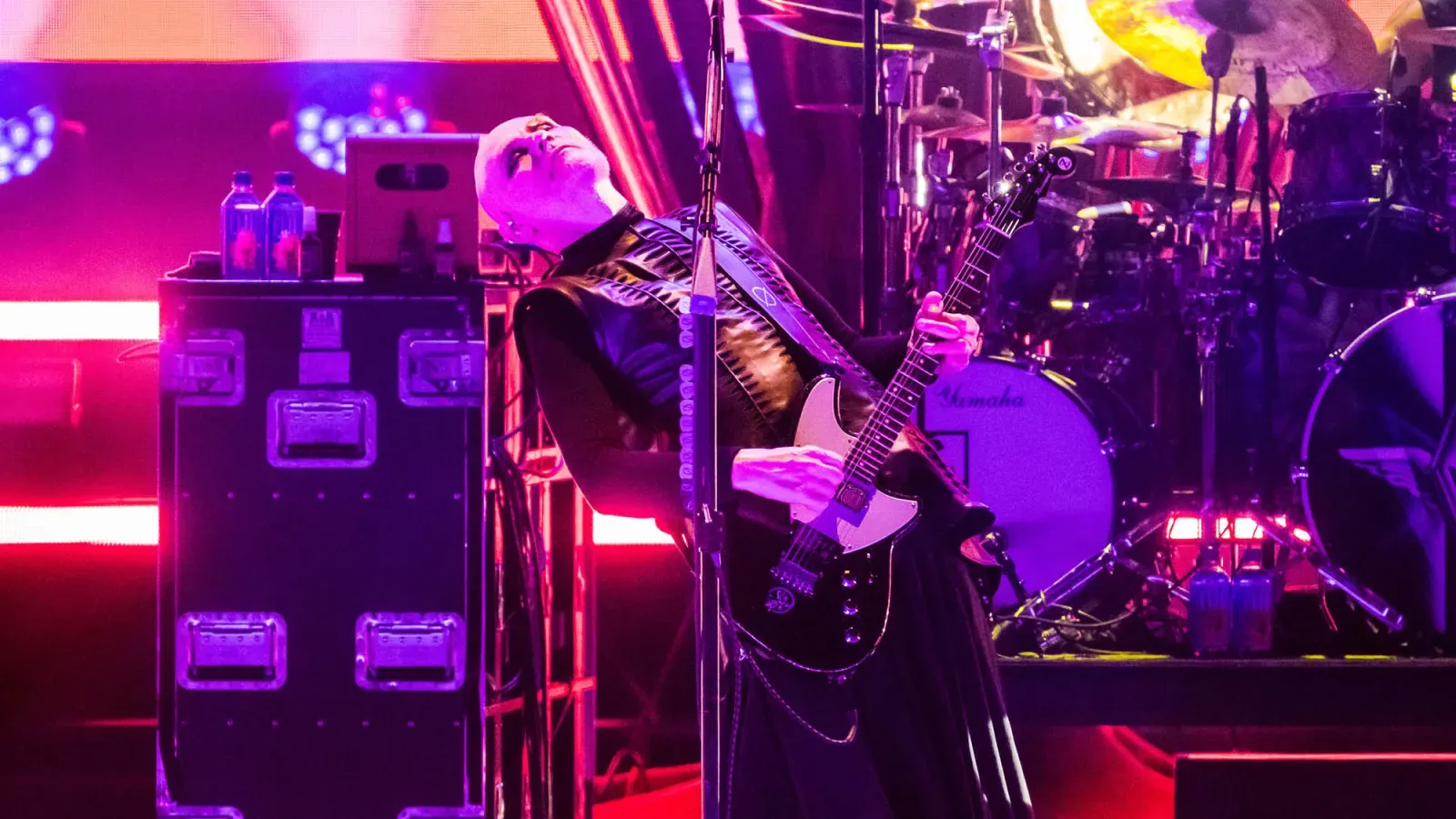
Charli XCX appears on Lollapalooza 2026 Day Two, in its first festival date following the release of “Music, Fashion, Film.” For decision-makers watching audience attention and brand momentum, the move highlights how release cycles now extend beyond music into lifestyle programming.
Charli XCX is set for a high-visibility slot at Lollapalooza 2026 Day Two, appearing on the festival’s slate for its first date after the release of “Music, Fashion, Film,” according to Rolling Stone. This matters because festivals are not just concerts anymore, they are attention engines. When a mainstream pop act times a marquee appearance immediately after a major release project, it is essentially asking the market a simple question: does the audience follow the content stream from screen or studio into a live environment?
Rolling Stone frames the timing cleanly: Charli’s appearance is the first festival date following the release of “Music, Fashion, Film.” That positioning is the core signal for anyone making decisions in the broader music, media, and entertainment economy. The day-after-day reality is that releases compete for the same finite resource, mindshare, and today mindshare is pulled in multiple directions at once. Charli’s schedule choice suggests she is not treating the project as a one-week news moment. Instead, it is a launch that continues into the kind of crowded, high-recall setting where audiences convert from passive listeners into active advocates.
To understand why this is strategically interesting, it helps to zoom out on how modern “release cycles” work. A major project can be packaged as music, but “Music, Fashion, Film” already telegraphs that it is also trying to live in adjacent worlds. Fashion and film are not just aesthetic neighbors, they are distribution and brand channels with their own communities, platforms, and formats. When an artist then shows up at a festival like Lollapalooza, they are essentially bridging those worlds in public. The practical effect is that attendees who show up for one reason can leave thinking about the project in more than one dimension. That is how you extend reach without having to manufacture additional news.
There is also a business and programming angle. Festivals like Lollapalooza run on momentum. Bookings aim to keep attendance strong across days, not just on the single “headline night.” Rolling Stone’s note that this is Day Two, not the first day, matters because it indicates the slot is being used to keep the momentum rolling. For organizers and partners, a recognizable star anchored to a new release creates a safer bet for sustained engagement. For brands and promoters, the value is similar: a fresh project provides a narrative hook that can be repeated in marketing, social clips, and sponsorship activations without waiting for the next media cycle.
Now bring in the incentives. Labels, management teams, and artists are all negotiating over a common target, the lifetime value of attention. That is why release projects are increasingly built to travel. When “Music, Fashion, Film” drops and the first major festival appearance follows, the objective is to compress the gap between discovery and conversion. Fans who are already talking about the project get a place to point to that activity in real life. That creates second-order effects that are hard to see in any single dataset, but they are visible in the way clips spread, the way fans show up on schedule, and the way conversations persist after the initial release wave.
Even for executives who do not work directly in music, the playbook is familiar. Cross-channel storytelling is the modern default. The difference is that entertainment releases can produce the “moment of truth” faster than many other industries. A festival performance is a live proof point. It tests whether the project feels current, whether it resonates in a crowd, and whether the audience energy matches the marketing narrative. And because Rolling Stone is specifically calling out the timing, it implies that the sequencing is part of the story, not an accident.
For boards, investors, and operators tracking the media ecosystem, Charli’s Lollapalooza Day Two appearance after “Music, Fashion, Film” is a reminder that distribution is no longer linear. It is cyclical. Releases lead to coverage, coverage leads to discoverability, discoverability leads to live events, and live events lead back to renewed attention for the project that started it all. In a crowded attention economy, the winners are often the teams that understand timing as strategy.
Strategically, this means peers should watch how artists and entertainment brands align major projects with high-density events. If your product, content, or brand has multiple formats, a festival performance is one of the few places where those formats can collapse into one shared experience quickly. Charli’s first festival date after “Music, Fashion, Film” is not just a calendar entry. It is a move designed to keep the project in the audience’s active loop, not stuck in the past tense.
This story's Key Insights and Take-aways are locked.
Create a free account to unlock Executive Actions for one credit.
Register to UnlockAlways free for Executives Club members. Join the Club
More in Entertainment

'It's a Magic Trick': Ballet Experts Say Rosalía's SNL Pose Is Impossible
Three ballet experts tell Rolling Stone Rosalía's gravity-defying SNL stillness shouldn't be possible - and why the debate is now part of the show.

Activision CMO: GTA 6 Will Boost Call of Duty, Not Bury It
Activision's top marketer says Rockstar's blockbuster will drive players back to consoles and into Modern Warfare 4, even as the company admits its recent strategy failed.
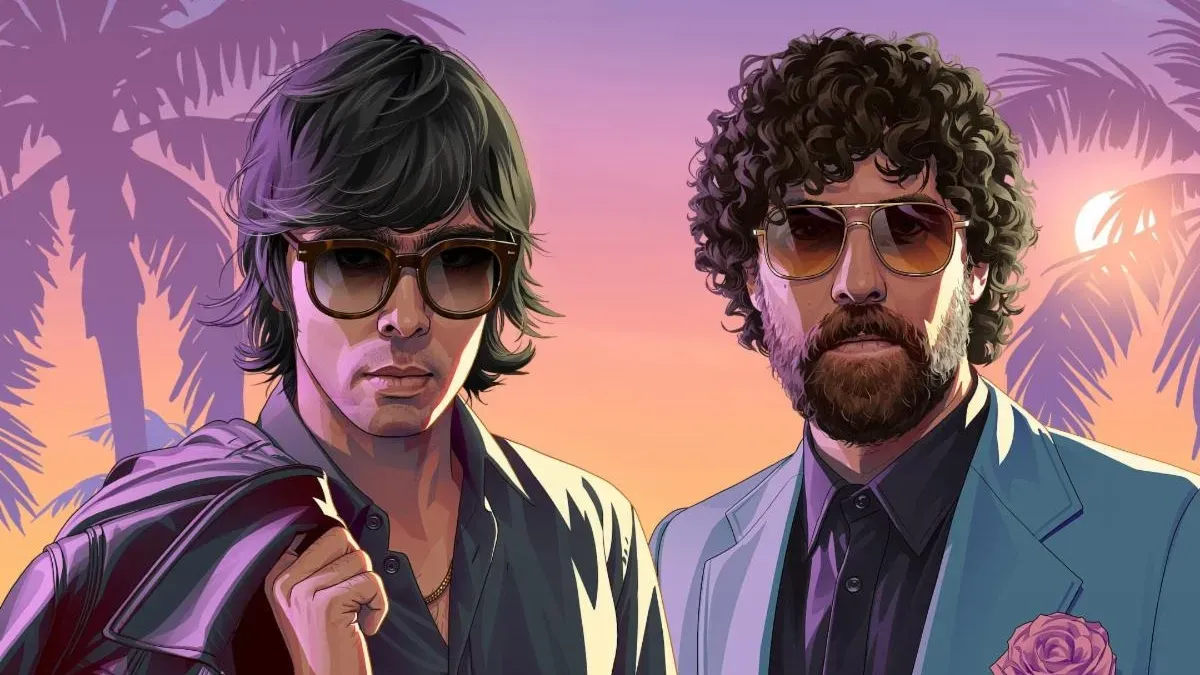
Justice to Score GTA 6, Share New Song with Tame Impala, SZA, King Gizzard
Rockstar taps the French duo for the GTA VI score, and the first taste is a genre-melting collab with Tame Impala, SZA, and King Gizzard & The Lizard Wizard.