
Charli xcx turns Brat’s success into a selfhood crisis, then pivots to rock
The follow-up to the memes, bandwagoning, and “Brat summer” mythology becomes a meta survival guide for pop identity.

Charli xcx’s 2024 breakout, Brat, sparked memes and wider cultural collateral, then risked turning her into a caricature. In the new release landscape, she pivots to guitar and “Rock Music” reframes the dancefloor panic into an earnest, if cheeky, directive.
The real trick Charli xcx pulls after Brat is not making another banger. It is making the machine that turned her into a caricature sound like part of the song.
Brat, released in 2024, did more than rack up A-list attention. It spawned memes, drew embarrassing political bandwagoning, generated Collins’ word of the year, and even “possibly terminal damage” to the bra industry. That is a lot of cultural throughput for one album, and it is exactly why the question becomes so sharp: how do you follow up the record that made you a star, then threatened to pickle you as a branded bad girl, Parliament-toting and all?
In the review’s frame, Charli’s success came with a nasty incentive problem. When a project reaches A-list scale, the industry often treats it like a prize cow that must be milked dry for every last acid-green drop. That tends to raise the cost of the next move. Pivoting and risking new fans can look like sabotage. Staying put can look like wilful contrarian cosplay. Either way, the spotlight pushes you into a box, and once you are in one, identity becomes marketing copy.
So Charli does something very Charli: she turns that pressure into form. If “Brat summer” felt like it might not last, and if sustaining interest meant walking a tightrope between parody and sincerity, she answers with a mockumentary called The Moment. The meta idea is the point. Success is presented as miserable. Your creation does not just get copied, it gets reframed by the people who want it to be legible, repeatable, and profitable on schedule. In other words, the caricature risk is not a hypothetical. It is the inevitable downstream product of being too visible for too long.
Then comes Rock Music, a sub-two-minute single that lands like a dare, because the lyrics and tone suggest a challenge to the whole premise of contemporary club culture. When Charli drawsl-sings “I think the dancefloor is dead,” it is easy for listeners to hear it as a middle finger. The guitar work, meanwhile, arrives buzzing like interference, described in the review as speakers weathering interference from a Nokia 5110. That detail matters because it signals the track’s stance. It does not sound polished into bland consensus. It sounds like resistance to the clean, endlessly optimized feed.
From a decision-maker’s angle, the interesting part is not whether “the dancefloor is dead” is a factual claim. It is how Charli weaponizes a perceived narrative shift. There were boring thinkpieces about the dancefloor being alive “actually,” and about whether she was trying to eject fair-weather new fans. But the review calls out the key element: the song is surprisingly earnest, even when it wears cheeky clothes.
“Jump off the stage / I hope they catch you today / But if they don’t it’s OK,” she sings naively, framing creative leaps as survivable regardless of immediate audience reaction. That is a brutally practical message for any artist, label team, or brand manager trying to maintain momentum without losing the plot. It is not asking permission. It is telling you what happens if permission never arrives.
And that is why the pivot to rock and guitar reads as more than a genre flex. It is a response to the identity instability the review describes as the album’s meta masterpiece. A career built on reinvention from the genre’s fringes can absolutely be turned against you once A-list success gives execs a reason to freeze your image and monetize the last recognizable shape of you. Charli’s counter move is to make the instability part of the artwork itself, so the audience is not just consuming a vibe. They are watching the rules of the vibe get questioned in real time.
For executives and operators in music and adjacent creative industries, the second-order stake is obvious: when culture treats you as a symbol, the next release becomes a referendum on whether your team can outsmart the symbol. Charli’s approach suggests a path that is neither total reinvention for reinvention’s sake nor safe repetition. It is using the very pressures that create the caricature risk as material. If “Brat” became a meme factory, the follow-up asks whether the factory can also be a mirror. And if the mirror shows instability, the strategy is to lean into the uncertainty before someone else locks it into a slogan.
This story's Key Insights and Take-aways are locked.
Create a free account to unlock Executive Actions for one credit.
Register to UnlockAlways free for Executives Club members. Join the Club
More in Entertainment

'It's a Magic Trick': Ballet Experts Say Rosalía's SNL Pose Is Impossible
Three ballet experts tell Rolling Stone Rosalía's gravity-defying SNL stillness shouldn't be possible - and why the debate is now part of the show.

Activision CMO: GTA 6 Will Boost Call of Duty, Not Bury It
Activision's top marketer says Rockstar's blockbuster will drive players back to consoles and into Modern Warfare 4, even as the company admits its recent strategy failed.
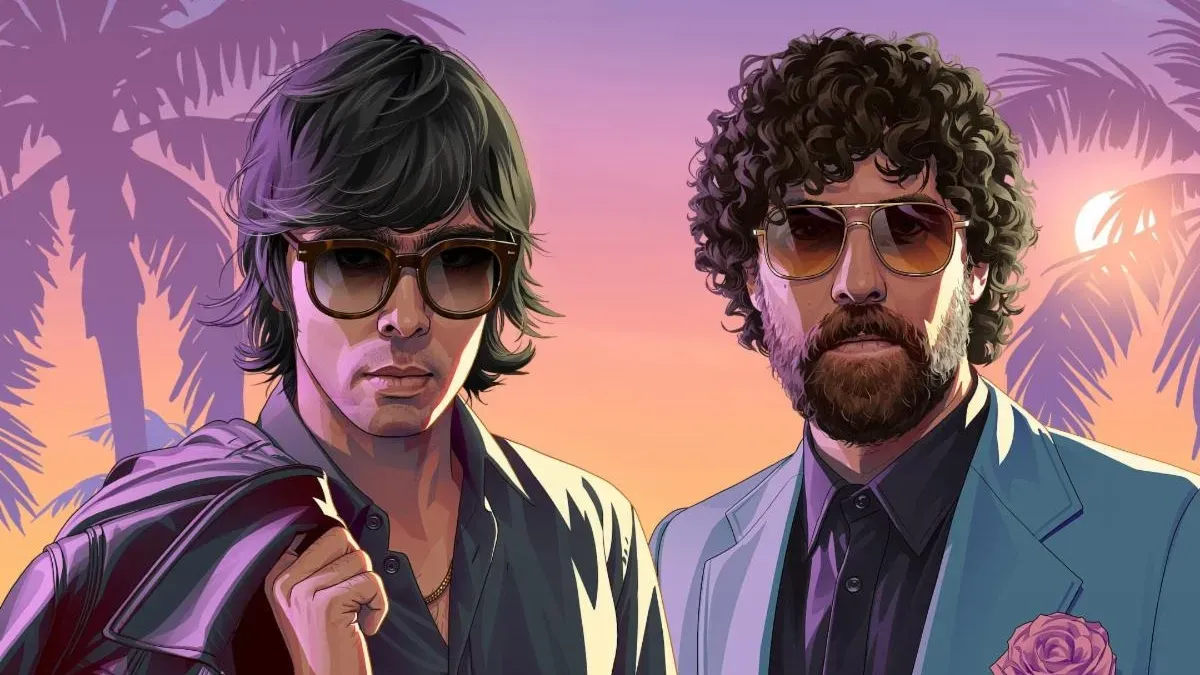
Justice to Score GTA 6, Share New Song with Tame Impala, SZA, King Gizzard
Rockstar taps the French duo for the GTA VI score, and the first taste is a genre-melting collab with Tame Impala, SZA, and King Gizzard & The Lizard Wizard.