
Chef Dom Taylor dies at 44, the Netflix Five Star Chef winner’s restaurant confirmed
Dom Taylor, founder of The Good Front Room, died suddenly at 44, reshaping how London’s food scene remembers Caribbean roots.
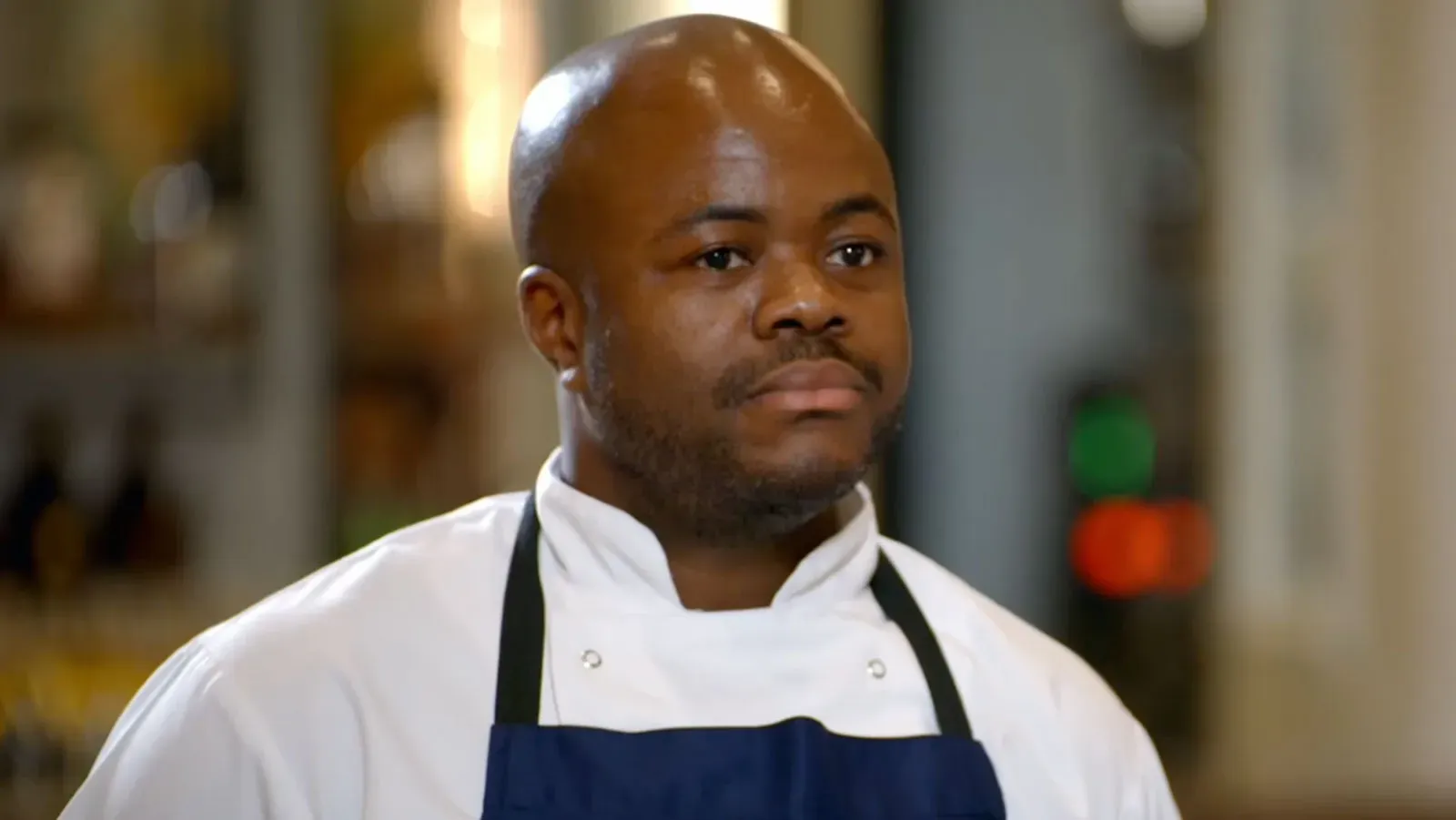
Chef Dom Taylor, the winner of Netflix’s Five Star Chef, has died at 44. His restaurant, The Good Front Room, confirmed his “sudden passing,” and his Caribbean-centered approach had been gaining mainstream attention.
Chef Dom Taylor, the winner of Netflix’s Five Star Chef, has died at 44. Taylor’s restaurant, The Good Front Room, confirmed his “sudden passing,” calling him a visionary and pointing to the bold, joyful way he celebrated the Caribbean cuisine of his childhood.
This matters beyond one loss in one kitchen. In an industry where media exposure can quickly rewrite a chef’s business trajectory, Taylor had a rare platform: Netflix, a global audience, and a London restaurant position that turned cultural heritage into a mainstream dining story. The confirmation from The Good Front Room puts the focus where it belongs, and it also underlines how fast an ecosystem can move when a creator becomes both a chef and a public face.
To understand why this hits so hard in boardrooms and among operators, it helps to look at how food brands now grow. Historically, restaurants built visibility through local critics, word of mouth, and slow reputation cycles. Today, television and streaming can compress that timeline. A show win can act like an acquisition of attention, pulling in new customers, new media opportunities, and sometimes even new partnerships. Taylor was the kind of figure these platforms are designed to elevate: someone with a personal point of view, tied to a specific cuisine, told with personality.
And Taylor’s point of view was not generic. The restaurant statement described his “bold, joyful approach to celebrating the Caribbean cuisine of his childhood,” framing his work as “a fresh and exciting voice” for London’s dining scene. That is an important distinction. The value in culinary media is not just the dish. It is narrative, authenticity, and contrast. The moment a chef becomes a storyteller, the restaurant can start to function like a cultural hub, not only a business.
For executives, there is a second-order effect that often gets overlooked: operational continuity. When a founder-led concept is also the brand face, succession becomes an immediate concern, even when the company is not publicly traded. The restaurant confirmation of “sudden passing” hints at the disruption timing. Sudden founder losses can collide with ongoing reservations, staffing plans, supplier agreements, and marketing calendars that were built around a known rhythm and leadership style.
There is also the reputational lens. Streaming food content does more than entertain; it can influence demand and shape what audiences expect from an area, especially when the cuisine is tied to identity. When The Good Front Room framed Taylor as a visionary, it signaled what the community should remember him for: celebrating Caribbean roots through a joyful, bold style. In the wake of a death, stakeholders including investors, partners, and even competitors may face a choice on how to respond publicly. Silence can look like indifference. Overstatement can look like opportunism. The right balance is hard, and it will now fall to the people who keep the restaurant running.
Looking at the broader streaming-and-food ecosystem, Taylor’s story illustrates how quickly a chef’s trajectory can be intertwined with a platform’s narrative calendar. Netflix’s “Five Star Chef” winner earned attention because the show could translate culinary craft into a format built for mass audiences. That can create momentum. But momentum also concentrates risk in a single human. If the founder is the voice, then the brand’s continuity depends on leadership depth that may not be fully tested until the worst day.
So what should other founders, investors, and operators take from this moment? First, build brands that can survive beyond the founder’s presence, even if the founder is the engine. Second, treat media success as a growth acceleration that must be paired with operational resilience. And third, remember that what audiences connect to is not only product. It is the specific human lens behind it. Taylor’s lens, as described by his restaurant, was Caribbean cuisine from his childhood, delivered with bold joy and treated as something London should get excited about.
Dom Taylor was 44. He won Netflix’s Five Star Chef. And his restaurant confirmed the sudden passing of the founder. In the food world, that is a personal tragedy. In the business world, it is also a reminder that leadership succession, brand voice, and operational continuity are not abstract governance topics. They are the only way a culture survives long after the camera stops rolling.
This story's Key Insights and Take-aways are locked.
Create a free account to unlock Executive Actions for one credit.
Register to UnlockAlways free for Executives Club members. Join the Club
More in Entertainment

12TB Steam 'teraleak' goes beyond Valve: GTA 3, Mafia 2 prototypes exposed
A 12-terabyte dump of Steam data reveals prototypes and builds of third-party classics like GTA 3 and Mafia 2, plus unreleased Valve content, rewriting game history.

LinkedIn's romance problem: 1 in 4 workers say dating on it is fair game
A new survey shows a quarter of U.S. employees treat the professional network as fair game for romance, even as LinkedIn bans it and removes hundreds of thousands of offending posts.

Enhypen's first No. 1 album breaks K-pop's Billboard 200 streak
The K-pop group's 98,000-unit debut tops the chart while Dolly Parton's catalog reentry shows how death reshapes streaming.