
Chelsea's USDC jersey deal sparks Hong Kong crypto-law fears
The Premier League club's Circle sponsorship raises questions about whether wearing or selling the shirt violates Hong Kong's digital currency promotion rules.

Chelsea FC signed a front-of-shirt sponsorship with Circle to feature USDC for the 2026-27 season, prompting Hong Kong fans and retailers to worry about breaching local crypto promotion laws. The deal highlights the regulatory gray zone for sports sponsorships involving stablecoins.
Chelsea's new front-of-shirt sponsorship with Circle, the issuer of the USDC stablecoin, has Hong Kong fans and retailers on edge: they fear that wearing or selling the jersey could count as illegal promotion under the city's digital currency laws. The deal, announced in late August for the 2026-27 season, puts a stablecoin brand on one of the most visible pieces of sports merchandise in the world - and immediately collides with a regulatory environment that treats crypto promotion with suspicion. For fans in Hong Kong, the question is no longer just about loyalty to the club; it is about whether a shirt with a stablecoin logo is a legal liability waiting to happen. Retailers, meanwhile, are weighing whether stocking the kit could expose them to fines or worse under local rules that restrict how digital assets can be marketed to the public. The concern is not hypothetical: Hong Kong has taken a strict line on crypto advertising, requiring licenses for platforms and limiting promotional activities to professional investors in many cases. A shirt worn in public, or sold in a shop, could be interpreted as an unlicensed solicitation - especially if the branding is prominent enough to be seen as an inducement to buy or hold USDC. That ambiguity is exactly what is making fans and merchants nervous, and it underscores a broader tension between global sports marketing and fragmented national crypto regulations. The timing is also telling. Chelsea's deal with Circle came just three months after the UK's Financial Conduct Authority (FCA) warned Premier League clubs about the risks of crypto-related sponsorships, signaling that regulators are watching this space closely. The FCA's warning was aimed at protecting consumers from misleading promotions, but it did not stop Chelsea from signing with Circle - a move that suggests clubs are willing to accept regulatory risk in exchange for lucrative sponsorship revenue. For Hong Kong, the issue is more acute because the city's Securities and Futures Commission has been actively tightening rules around virtual asset promotion, and enforcement has been aggressive. The Chelsea-Circle deal is not the first crypto sponsorship in sports - think of the various exchange logos on stadiums and kits - but it is one of the first to feature a stablecoin, which is designed to maintain a 1:1 peg to a fiat currency like the US dollar. That distinction matters because stablecoins are often marketed as safer than volatile cryptocurrencies, yet they still fall under the same promotional restrictions in many jurisdictions. For Hong Kong fans, the practical question is whether a shirt with a USDC logo is considered an advertisement for a digital asset. If it is, then wearing it in public could be seen as promoting a product that is not authorized for retail distribution in the city. Retailers face an even higher risk: selling the shirt could be construed as facilitating an unlicensed promotion, potentially triggering penalties under the Anti-Money Laundering and Counter-Terrorist Financing Ordinance, which governs virtual asset service providers. The legal uncertainty is not unique to Hong Kong - other markets with strict crypto advertising rules, such as Singapore and parts of the European Union, could face similar dilemmas - but Hong Kong's enforcement track record makes it a particularly high-stakes test case. For Chelsea and Circle, the deal is a commercial win: it brings in significant revenue and puts USDC in front of millions of fans globally. But it also creates a compliance headache that the club and the stablecoin issuer will need to manage across dozens of jurisdictions. The strategic stakes extend beyond these two companies. Other Premier League clubs and sports franchises are watching closely, because if Hong Kong regulators decide that a stablecoin shirt is an illegal promotion, it could set a precedent that forces clubs to rethink crypto sponsorships entirely. For executives in sports, marketing, and digital assets, the lesson is clear: a sponsorship deal is no longer just a commercial arrangement - it is a regulatory exposure that must be mapped against every market where the merchandise will be sold or worn. The Chelsea-Circle deal is a vivid reminder that the global reach of sports branding can outpace the global harmonization of crypto rules, and that a shirt can be both a revenue driver and a legal landmine.
This story's Key Insights and Take-aways are locked.
Create a free account to unlock Executive Actions for one credit.
Register to UnlockAlways free for Executives Club members. Join the Club
More in Business

Death sentence for TV presenter Sarah Khalifa: Egypt's drug case hits media
The sentencing of Sarah Khalifa and 11 others underscores the severity of Egypt's anti-drug laws and the exposure of public figures to capital punishment.
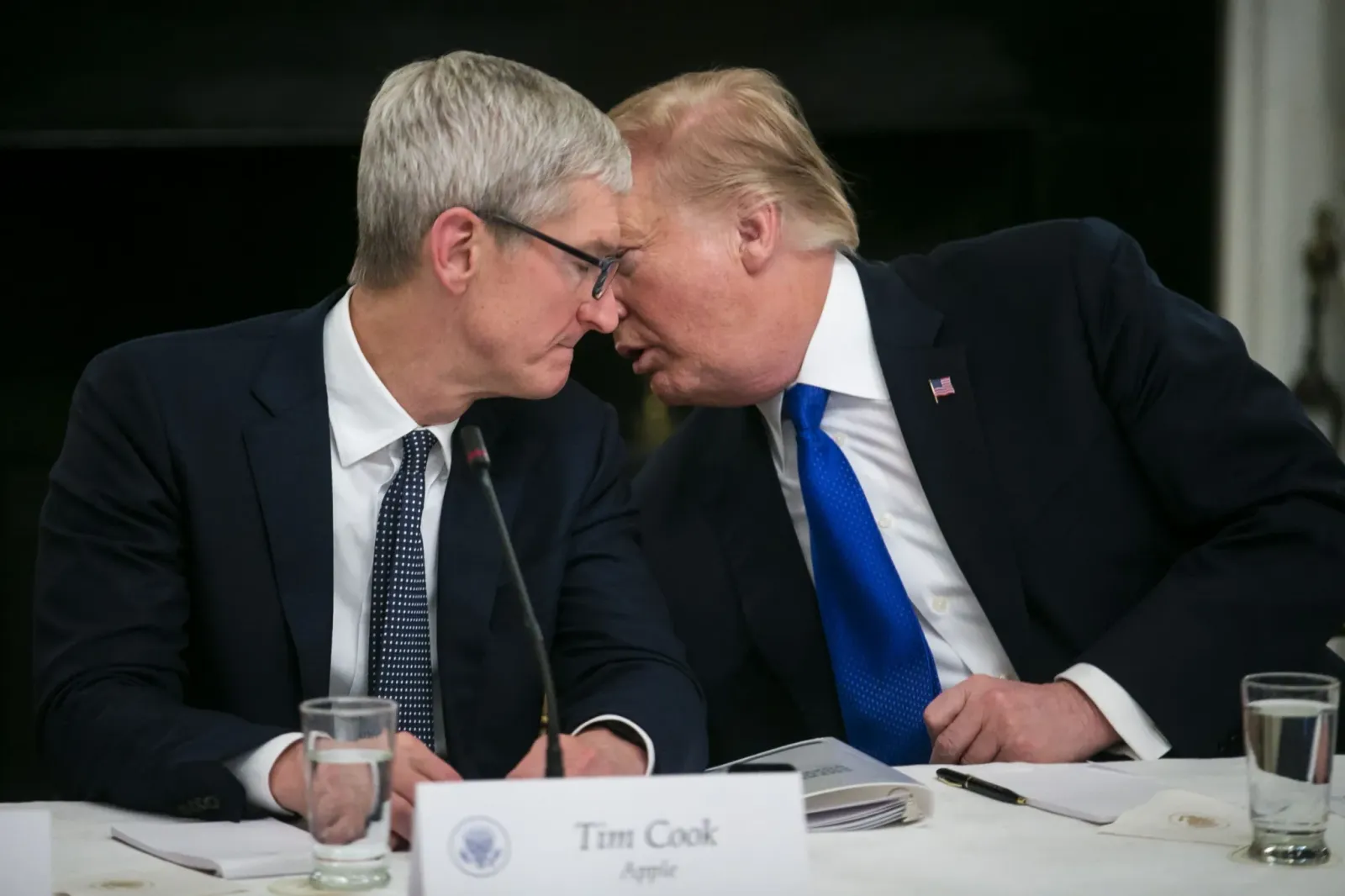
Tim Cook steps down as Apple CEO, stays on as chair with $45M equity
The 'Trump whisperer' keeps his White House and Beijing access as Apple navigates tariffs and a $4.6 trillion market cap.

Snowflake shares surge as AI data demand crushes estimates, lifting full-year forecast
Stocks jumped on stronger-than-expected guidance, signaling enterprise AI workloads are accelerating faster than Wall Street priced in.