

Cheung Kong Center II tests rents above HK$100 as Central office demand rebounds
A once-slow 2024 tower is closing the gap on Central’s hottest offices, and it changes the pricing playbook.
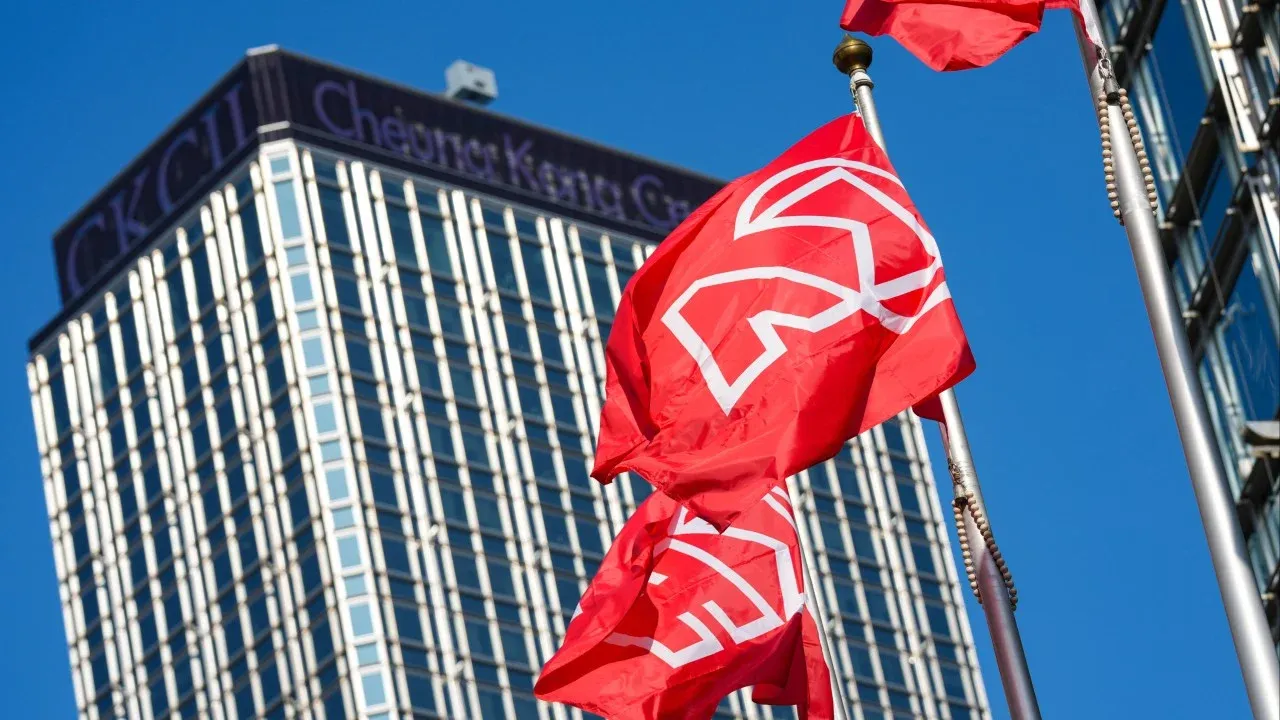
Cheung Kong Center II, a 41-storey Central office project completed in 2024 by CK Asset Holdings, is testing rents above HK$100 (US$12.75) per square foot, per property agents. For decision-makers, the move signals improving leasing momentum in Hong Kong’s most watched commercial pocket, with knock-on effects for comps, underwriting, and future tower economics.
Cheung Kong Center II is testing office rents above HK$100 (US$12.75) per square foot, according to property agents. That headline number matters because it represents more than a marketing figure. It is the market’s attempt to price a comeback, as the once slow-leasing tower begins closing the gap with Central’s most in-demand office buildings.
This is a turnaround story with a timestamp: the building was completed in 2024 by CK Asset Holdings, the property company controlled by billionaire Li Ka-shing’s family. The 41-storey tower was designed as a flagship Central development. In other words, it is not a side quest. It is the kind of project executives watch because Central leasing conditions tend to set benchmarks for how Hong Kong’s office market prices risk and opportunity.
So why is a rent test such a big deal? Because office pricing rarely moves in a straight line. For a tower that was “once slow-leasing” to start probing for above HK$100, the implication is that leasing velocity and tenant appetite have improved enough that landlords feel confident testing higher asks. Property agents are effectively saying the market is now meeting the building halfway, at least compared to its earlier leasing pace. When that happens, the business challenge shifts from “can we lease?” to “at what price, and for how long?”
Central is the battleground for this question. The most in-demand office buildings in the district act as the reference points. When a newer flagship project like Cheung Kong Center II begins “closing the gap” with those leaders, it suggests that the pricing ladder in Central is being renegotiated. That can influence what other owners and developers decide to target next, including whether they revise rent ranges, concession strategies, and lease duration assumptions in underwriting.
There is also a timing angle that boards tend to care about. Cheung Kong Center II being completed in 2024 means its post-completion leasing results feed directly into how capital is perceived to have been deployed. A slow start can extend the time it takes to stabilize occupancy and cash flow. A rebound can compress that stabilization timeline. Even without citing any specific financial statement details here, the direction of travel is clear: the market is now prepared to pay more for space in the same micro-market, at least in testing.
CK Asset Holdings, as the developer behind a flagship Central tower, has incentives that will be familiar to anyone who has ever managed a commercial portfolio. Developers want to monetize prime locations without leaving money on the table. At the same time, they have to be careful not to chase rents above what tenants will accept, because office leasing deals are won or lost on total economics, not just sticker rent. A rent test is a controlled way to probe that boundary. It also gives the developer feedback on whether demand is structural or merely opportunistic.
For executives at other firms with exposure to Hong Kong real estate, the second-order effect is competition for tenant budgets. If Cheung Kong Center II is moving toward the pricing level of Central’s most sought-after buildings, tenants can compare options more aggressively. That can squeeze effective rents across the sector, but it can also pull less competitive assets closer to the market floor if landlords adjust expectations. Either way, more certainty in Central often changes negotiation leverage.
Finally, for anyone tracking Hong Kong office fundamentals, this is the kind of signal that matters because it shows demand recovering in the district that defines the narrative. When a high-profile project begins closing the gap after a slow start, it suggests the market is not only improving, but doing so at the level that supports higher rents. That can reshape how decision-makers underwrite future developments and how boards think about timing. In a market where positioning and benchmarks matter, being late to the pricing party is expensive. Cheung Kong Center II appears to be aiming to arrive right when the market starts paying attention.
This story's Key Insights and Take-aways are locked.
Create a free account to unlock Executive Actions for one credit.
Register to UnlockAlways free for Executives Club members. Join the Club
More in Business

Leopold Aschenbrenner’s $45B AI hedge fund plunged, losing most value in days
Former OpenAI researcher Leopold Aschenbrenner watched Situational Awareness unravel quickly, forcing AI fund managers to ask what risk they missed.

Anthropic’s Levant Alpöge cracks the Jacobian conjecture after 87 years
A Harvard valedictorian used Claude to hit a 1939 breakthrough, but the missing “why” is the real problem.

Uber buys Delivery Hero for nearly $15B, vaulting to top food delivery outside China
The deal doubles Uber's dual-services footprint and pushes a ride-and-eats bundling play into 50 more markets.