
China banned crypto. Why is Solana opening a splashy Shanghai office?
Solana's Pudong office and ad campaign signal a possible crypto window in China.
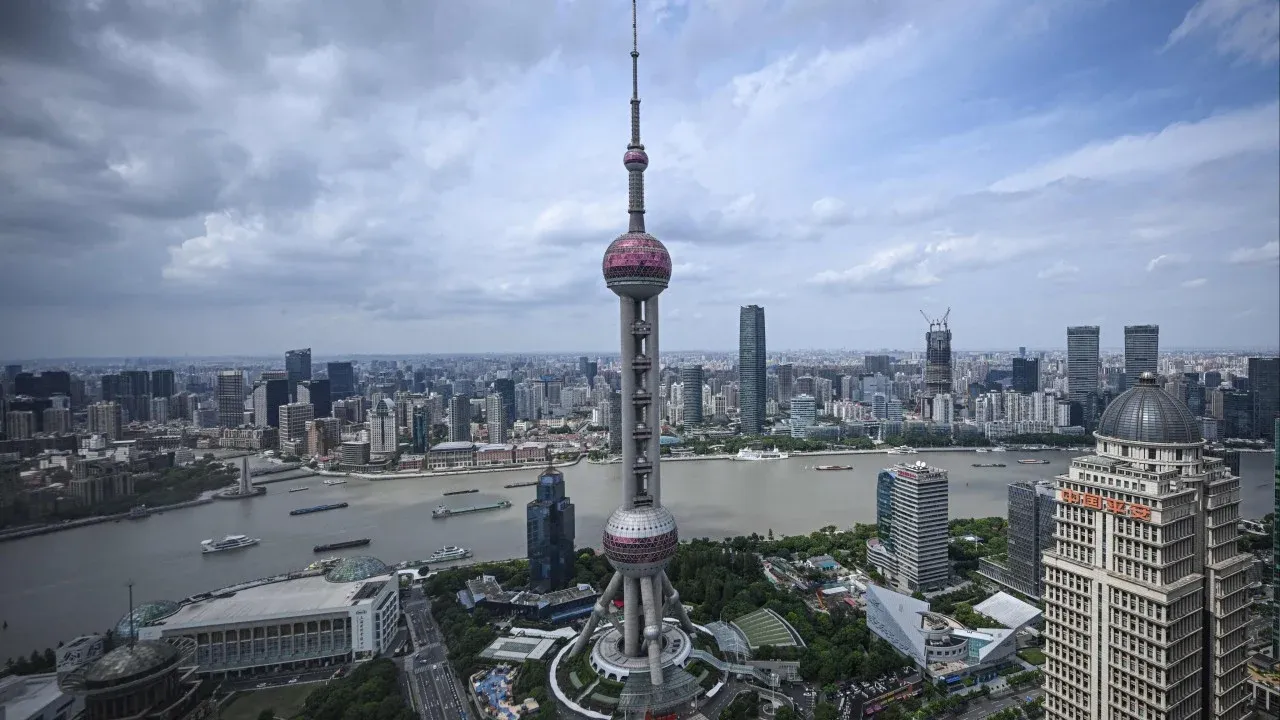
Solana, operator of one of the world's largest cryptocurrencies, has opened an office in Shanghai's Pudong district and launched a high-profile ad campaign, sparking speculation that US-China tech rivalry is creating a window for crypto firms in China. For decision-makers, this signals a potential shift in market access and regulatory winds that could reshape crypto's engagement with the world's second-largest economy.
Solana, the network behind one of the world's largest cryptocurrencies, has opened a splashy new office in Shanghai's Pudong district and launched a high-profile advertising campaign in the city, according to social media posts. The move is striking because China has officially banned crypto trading and mining since 2021, making the office a bold statement in a market that is ostensibly closed.
The crypto industry is buzzing over what this means. Some speculate that the intensifying US-China tech rivalry is creating a window of opportunity for crypto firms looking to engage with the Chinese market, even as Washington and Beijing square off over semiconductors, AI, and other critical technologies.
For context, China's crypto ban is comprehensive. In September 2021, the People's Bank of China declared all cryptocurrency transactions illegal, and authorities later cracked down on mining operations. Yet the ban has not erased interest in blockchain technology, and Chinese state-backed projects have continued to explore digital yuan and enterprise blockchain applications. Solana's office could be a signal that the regulatory environment is more nuanced than a blanket prohibition suggests. It may also reflect a pragmatic recognition that blockchain development and crypto trading are distinct activities, with the former still being actively researched and funded in China.
Solana is not a small player. It operates one of the world's largest cryptocurrencies by market capitalization, and its network is known for high-speed, low-cost transactions. The company has faced its own challenges, including network outages and a broader crypto market downturn, but it remains a major force in the industry. A physical presence in Shanghai could serve multiple purposes: tapping into local developer talent, building relationships with Chinese enterprises, or simply maintaining a foothold in a market that could reopen. The ad campaign, meanwhile, suggests a desire to build brand awareness even in a restricted environment, possibly to prepare for a future regulatory shift.
The timing is notable. The US-China tech rivalry has intensified, with export controls on advanced chips and restrictions on investments in Chinese tech. Some observers believe that China may see crypto as a way to counter US dominance in financial technology, or at least as a hedge. The speculation in the crypto community is that Beijing might tolerate or even encourage certain crypto activities to attract innovation and investment that would otherwise go to the US. This would be a reversal from the hardline stance of 2021, but not unprecedented; China has historically allowed pilot programs and controlled experiments in financial technology, such as the digital yuan.
However, the source does not indicate any official approval or change in policy. The office opening and ad campaign are based on social media posts, and there is no confirmation from Solana or Chinese authorities. It is possible that the office is for non-crypto business, such as blockchain research or software development, which may not fall under the trading ban. But the symbolism alone is enough to generate headlines and hope among crypto enthusiasts. The fact that Solana chose Shanghai, a global financial hub, rather than a more permissive jurisdiction, adds weight to the speculation that this is a strategic bet on future market access.
For executives in the crypto and fintech space, this development is a reminder that regulatory landscapes are not static. The US-China rivalry could create unexpected openings, but also risks. A company that moves too early could face backlash, while one that waits could miss a first-mover advantage. The key is to monitor signals from Beijing, including statements from regulators and actions by major firms like Solana. If Solana's move is followed by similar steps from other crypto networks, it could indicate a broader thaw. Conversely, if Chinese authorities issue a warning or enforcement action, it would confirm that the ban remains firmly in place.
Ultimately, Solana's Shanghai office is a small but telling data point. It suggests that even in a banned market, crypto firms see value in showing up. Whether this leads to a broader reopening remains to be seen, but for now, the industry is watching closely. The next move from Solana, or from Chinese regulators, could set the tone for how crypto engages with the world's second-largest economy. For decision-makers, the lesson is to stay agile and informed, because the line between a closed market and an emerging opportunity can shift faster than a regulatory memo.
This story's Key Insights and Take-aways are locked.
Create a free account to unlock Executive Actions for one credit.
Register to UnlockAlways free for Executives Club members. Join the Club
More in Business

Elon Musk unveils a flying car, and SpaceX helped build it
The Tesla CEO's showcase at a SpaceX facility signals a future where road and rocket engineering converge.

Apple's $2,000 iPhone Duo opens preorders, taking on Samsung and Google
Apple's first foldable hits the market at a premium price, reshaping a category Samsung and Google have led.

Pope Leo XIV, first American pope, diagnosed with lung cancer
The 71-year-old Chicago-born pontiff underwent successful surgery on his right lung, and his diagnosis raises new questions about his AI-focused papacy and the Vatican's future.