
China builds global gold vaults to boost yuan's trade role, S&P says
Beijing's reclassification of gold as a strategic mineral and its vault-building spree could reshape global bullion flows and give the yuan a bigger role in trade settlements.

S&P Global Ratings reported Tuesday that China is building a global network of gold vaults and accelerating central bank reserve buying to promote the yuan's role in international trade. The move, which follows Beijing's 2025 reclassification of gold as a strategic mineral, is expected to help Chinese miners like Zijin Mining and Shandong Gold expand faster than their global peers.
China is quietly constructing a global network of gold vaults while stepping up central bank purchases, a dual-pronged strategy aimed at giving the yuan a stronger hand in international trade. That's the takeaway from a new S&P Global Ratings report released Tuesday, which frames the effort as part of Beijing's broader push to reduce reliance on the dollar. The report also highlights a pivotal regulatory shift: gold was reclassified from a financial asset to a "strategic mineral" in 2025, a label that signals state backing and unlocks policy support for the sector.
That reclassification is already reshaping the competitive landscape for miners. S&P expects Chinese gold producers, including Zijin Mining, the mainland's largest processor, and Shandong Gold Mining, to expand "faster than most of their global peers" in the coming years. The logic is straightforward: when the state designates a commodity as strategic, it tends to funnel capital, streamline permits, and encourage overseas acquisitions. For Zijin and Shandong, that means a clearer runway to snap up foreign assets and ramp up production, while their Western counterparts face stricter environmental rules and higher financing costs.
Why vaults matter so much? A network of secure storage facilities outside China gives foreign central banks and traders confidence to hold and settle in yuan. Gold is the ultimate trust anchor; if Beijing can offer vaults in London, Singapore, or Dubai where bullion is stored and traded in yuan-denominated contracts, it chips away at the dollar's dominance in commodity pricing. The report suggests this is not just about hoarding gold, but about creating infrastructure that makes the yuan a practical choice for settling trade in oil, metals, and other goods.
The timing is no accident. With Western sanctions freezing Russian assets and weaponizing the dollar, many countries are hunting for alternatives. China has been steadily pushing the yuan into bilateral trade agreements, and gold-backed credibility could accelerate that trend. The central bank's accelerated buying serves a dual purpose: it diversifies reserves away from U.S. Treasuries and signals to the market that Beijing is serious about gold as a monetary anchor. S&P's report notes that this buying spree is not a short-term blip but a structural shift.
For the miners, the implications are direct. Zijin and Shandong are likely to benefit from state-backed financing for overseas projects, as well as domestic demand for gold that feeds into the vault network. The reclassification also removes some regulatory friction, allowing them to treat gold as a core strategic output rather than a volatile financial product. Analysts expect these companies to outpace global rivals in both production growth and reserve replacement, potentially reshaping the global gold supply chain.
But the strategy carries risks. Building vaults abroad requires host-country cooperation, and the yuan's convertibility remains limited, which could cap the currency's appeal in gold trading. Moreover, a rapid expansion of Chinese mining could trigger pushback from resource-rich nations wary of Beijing's influence. Still, the report argues that the momentum is undeniable. As more central banks diversify away from the dollar, gold-backed yuan instruments could become a credible alternative, and China's vault network is the infrastructure needed to make that happen.
For global investors and corporate treasurers, the takeaway is clear: gold is no longer just a hedge; it's a geopolitical tool. China's move to elevate gold to strategic status and build vaults worldwide is a long-term bet on a multipolar monetary system. That bet will ripple through gold prices, mining valuations, and currency markets for years. The S&P report is a reminder that the quiet accumulation of gold and vault space is as much about financial power as it is about precious metal.
This story's Key Insights and Take-aways are locked.
Create a free account to unlock Executive Actions for one credit.
Register to UnlockAlways free for Executives Club members. Join the Club
More in Business
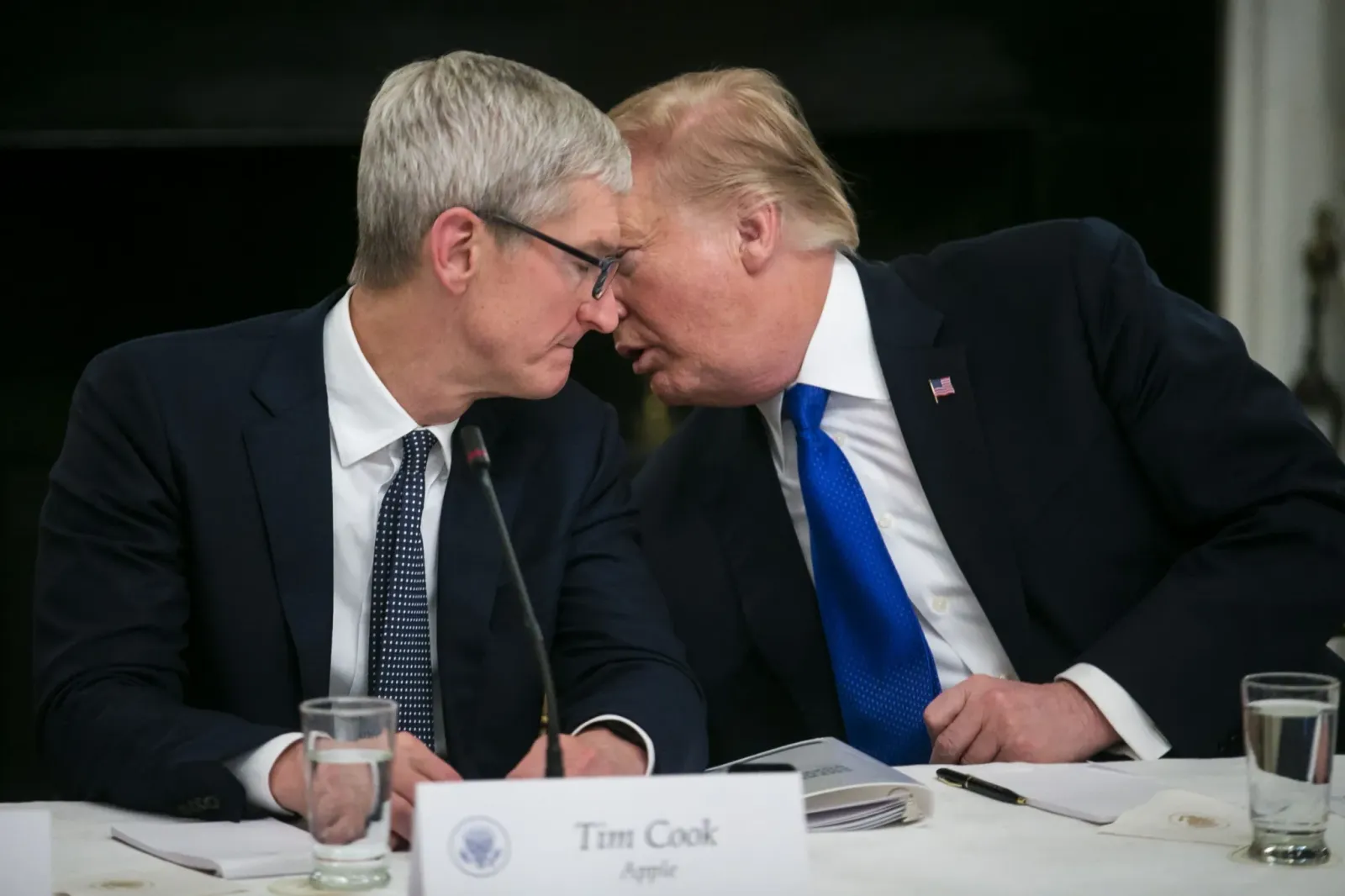
Tim Cook steps down as Apple CEO, stays on as chair with $45M equity
The 'Trump whisperer' keeps his White House and Beijing access as Apple navigates tariffs and a $4.6 trillion market cap.

Snowflake shares surge as AI data demand crushes estimates, lifting full-year forecast
Stocks jumped on stronger-than-expected guidance, signaling enterprise AI workloads are accelerating faster than Wall Street priced in.

Tim Cook's 15-year Apple CEO run ends: 3 lessons for any successor
After 15 years, Tim Cook hands Apple to John Ternus - here's how he turned a $350B company into a $4.6T juggernaut.