
China’s Big Fund jumps to SMIC’s 3rd-largest shareholder after 40.6b yuan Star Market deal
SMIC closed the Star Market buyout, issuing 547 million shares, and the Big Fund now sits among its biggest holders.
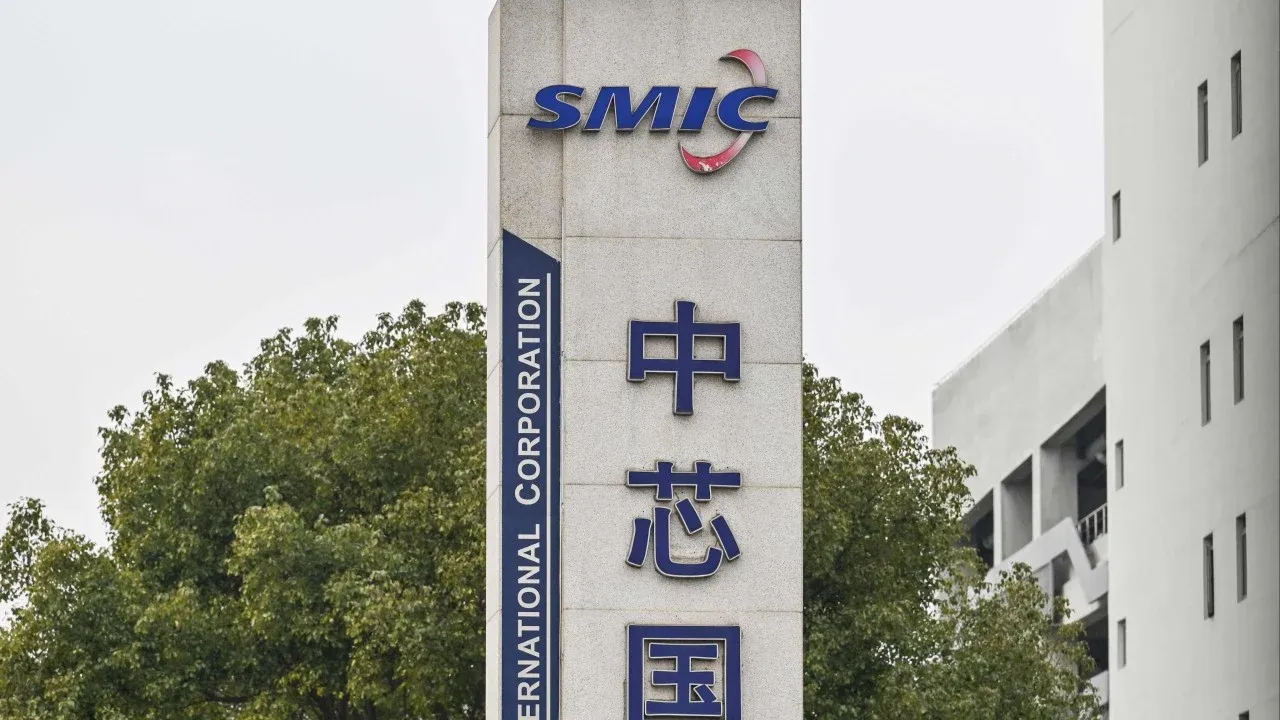
China’s state-backed Big Fund has become SMIC’s third-largest shareholder following SMIC’s acquisition of a manufacturing subsidiary. The transaction is the largest merger and acquisition deal ever recorded on Shanghai’s Star Market, with SMIC issuing 547 million shares worth 40.6 billion yuan (US$6 billion) to five shareholders.
China’s state-backed Big Fund has become the third-largest shareholder of Semiconductor Manufacturing International Corporation (SMIC), the country’s largest wafer foundry. It reached that spot after SMIC completed a landmark Star Market acquisition, a deal that Shanghai’s rules and investors treated as a headline event: the largest merger and acquisition transaction ever recorded on the Star Market.
The mechanics matter because they explain why the ownership line shifted fast. SMIC completed the buyout after the transaction was first proposed last August, and the completion came with SMIC issuing 547 million shares worth 40.6 billion yuan (US$6 billion) to five shareholders of its manufacturing subsidiary. That share issuance is the bridge from “planned deal” to “new shareholder roster,” and it is exactly why the Big Fund can climb to third-largest.
To understand why this is more than a trivia update, you have to look at how SMIC is funded and governed in the real world. In semiconductors, capacity is expensive and timelines are brutal. Foundries live and die by their ability to secure capital for equipment and processes, and they also live inside a geopolitical squeeze where supply chains and technology access can change overnight. In that environment, who holds equity is not just a bragging right. Large shareholders can influence strategic priorities, risk appetite, and the probability that a company can keep investing through downturns.
That is where the “Big Fund” label pulls its weight. The fund is state-backed, and state-backed capital in China’s tech sector typically comes with both money and an implicit policy lens. When such a holder climbs into SMIC’s top ranks, it signals that the transaction is not only about corporate consolidation. It is also about who is positioned to steer long-term capacity and resilience as the chip industry continues to globalize supply and simultaneously fragment access.
The deal’s placement also adds another layer. The acquisition happened on Shanghai’s Star Market, and the story makes a specific point: this is the largest merger and acquisition deal ever recorded on that platform. Star Market has been designed to support high-growth, innovation-oriented companies, and it has become a key venue for capital formation and high-visibility transactions in China’s technology ecosystem. In other words, completing the largest Star Market M&A deal is not just big for SMIC. It is a signal to the broader market about what scale and structure investors and regulators are willing to tolerate.
There is also an investor dynamics angle. When SMIC issued 547 million shares for 40.6 billion yuan, it effectively transferred value and future upside to five shareholders of the acquired manufacturing entity. At the same time, the new issuance reshapes SMIC’s cap table, diluting existing holders and elevating new ones. The fact that the Big Fund ends up third-largest tells you it was either already a major player or it was among the beneficiaries of the transaction’s share distribution and timing. Either way, the result is a more concentrated group of influential stakeholders.
For executives sitting at peers or partners in the semiconductor value chain, this is the kind of move that changes how you think about capital, not just competition. SMIC is the country’s largest wafer foundry, and it is exactly the kind of company where consolidation can translate into scale advantages, more efficient utilization, and potentially stronger bargaining power upstream and downstream. When ownership shifts toward a state-backed fund right after a massive consolidation, it can also affect how quickly SMIC pursues further expansion, how it balances short-term financial pressure against long-term capacity goals, and how confidently it can plan multi-year investments.
The practical takeaway is simple: after SMIC’s August-proposed acquisition closed, ownership turned over through a 547 million share issuance valued at 40.6 billion yuan (US$6 billion). The Big Fund now sits as SMIC’s third-largest shareholder, and that changes who has leverage in the room. In semiconductors, leverage can determine whether strategy survives capital markets, policy shifts, and the next wave of volatility.
This story's Key Insights and Take-aways are locked.
Create a free account to unlock Executive Actions for one credit.
Register to UnlockAlways free for Executives Club members. Join the Club
More in Business

SK Hynix jumps 11% after seeking up to $29.4B in Nasdaq listing
The chip giant filed for a Nasdaq listing plan that could raise $29.4 billion, instantly reshaping investor expectations.
Micron revenue hits nearly $42B as AI memory lifts gross margins above 81%
Fiscal Q3 results crush estimates, prove AI memory is rewriting Micron's margins, and change the momentum math for the whole chip stack.

SpaceX sells $25B in debt under two weeks after IPO, despite $90B in orders
The satellite and rocket company’s quick $25 billion borrowing move signals how it plans to finance scale after going public.