
China's GalaxySpace ships first turnkey satellite to Thailand, taking on SpaceX
Beijing's GalaxySpace just delivered a Thai CubeSat in a turnkey export, a first for China in Southeast Asia and a direct challenge to SpaceX's orbit.
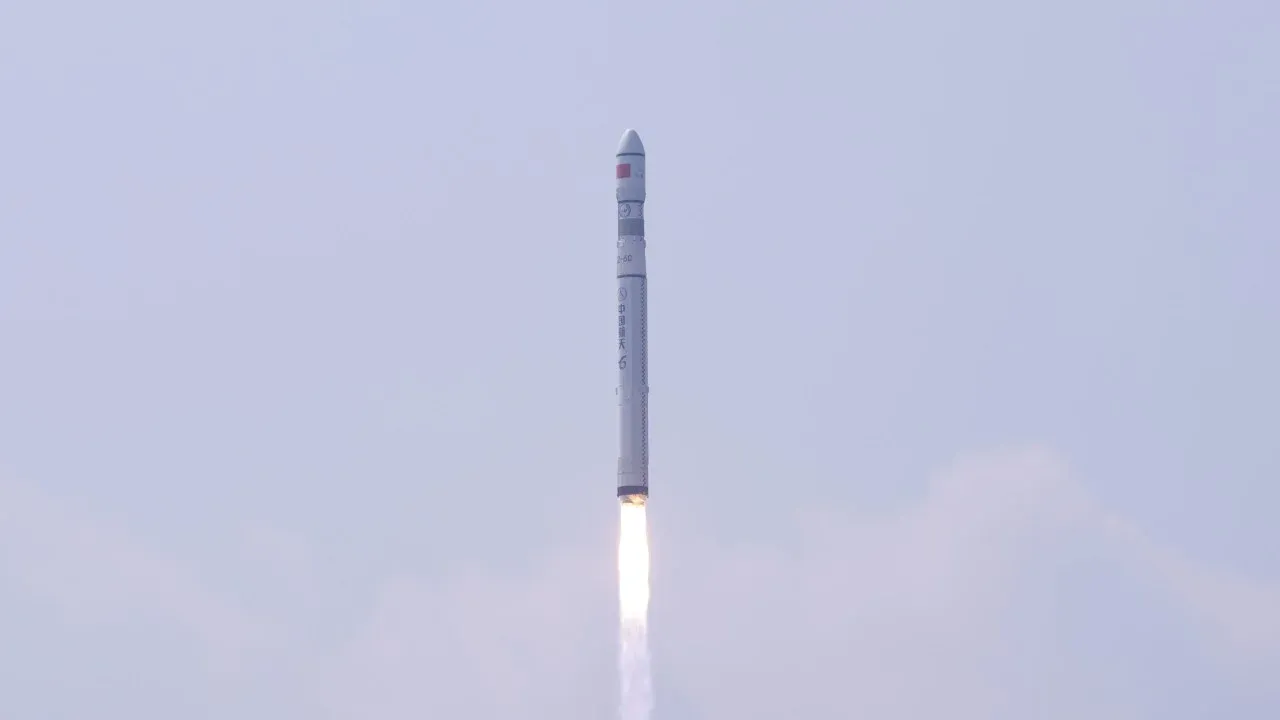
GalaxySpace, a Beijing-based commercial space company, launched the Lingzhi-09 Thailand CubeSat on a Long March-6C rocket, calling it China's first turnkey satellite export to Southeast Asia. The deal signals China's push to expand its space industry influence overseas, intensifying competition with Elon Musk's SpaceX for emerging-market launch and satellite contracts.
Beijing-based GalaxySpace this week deployed what it calls China's first turnkey satellite export to Southeast Asia, launching the Lingzhi-09 Thailand CubeSat aboard a Long March-6C rocket from the Taiyuan Satellite Launch Centre in Shanxi province on Tuesday. The satellite, developed for Thailand's Geo-Informatics and Space Technology Development Agency, rode to orbit alongside six other payloads, marking a milestone in China's commercial space push and a direct challenge to Elon Musk's SpaceX in the race for emerging-market space business.
For decision-makers watching the space economy, the significance is not the CubeSat itself - a small, low-cost satellite - but the word "turnkey." GalaxySpace is not just selling hardware; it is selling the full package: satellite design, integration, launch, and presumably the ground segment and training that make a satellite useful to a national agency. That is the same full-stack approach SpaceX has used to win contracts from governments and militaries around the world, and it signals that China's commercial space sector is moving beyond domestic missions and into export markets where relationships, financing, and technology transfer matter as much as price.
The Thailand deal is part of a broader pattern. China has been steadily building out its commercial space ecosystem, with private and state-backed players launching constellations for communications, remote sensing, and navigation. The Long March-6C rocket, developed by the Shanghai Academy of Spaceflight Technology, is designed for small and medium payloads, making it a natural fit for the kind of dedicated and rideshare missions that serve international customers. By pairing a Chinese rocket with a Thai payload and a Chinese satellite platform, GalaxySpace is demonstrating a repeatable template: one that can be offered to other Southeast Asian nations, African countries, and Latin American states looking for sovereign space capabilities without the cost or political strings of traditional Western suppliers.
For SpaceX, the competitive pressure is real but not existential. The company dominates the global launch market with its reusable Falcon 9 and Starlink constellation, and it has won high-profile contracts from the U.S. military, NASA, and allied governments. But SpaceX's pricing and availability are not always aligned with the needs of smaller emerging economies, and its Starlink service has faced regulatory hurdles in some countries. China's turnkey model offers an alternative that bundles financing, technology transfer, and diplomatic goodwill - a combination that can be especially attractive to governments that want to avoid over-dependence on the United States.
The timing is also notable. The launch comes as the U.S. and China are competing for influence across the Indo-Pacific, with space emerging as a key arena. Thailand, a U.S. treaty ally, has historically been cautious about deepening military and technological ties with Beijing, but commercial space cooperation offers a less sensitive entry point. The Geo-Informatics and Space Technology Development Agency is a civilian body focused on Earth observation, mapping, and disaster management, which makes the deal easier to frame as scientific and developmental rather than strategic. That framing could open the door to more deals across the region, where countries like Vietnam, Indonesia, and Malaysia are all looking to expand their space capabilities.
For executives in the satellite and launch industry, the takeaway is that the competitive landscape is no longer a two-player game between U.S. and European incumbents. China's commercial space sector is now a credible exporter, and it is willing to offer turnkey solutions that lower the barrier to entry for smaller nations. That could compress margins for Western satellite manufacturers and launch providers, who may find themselves competing not just on price but on the breadth of the package they can offer. It also raises questions about technology transfer and export controls: as China exports more satellites, it will also export the know-how that comes with them, potentially accelerating the spread of Chinese space technology standards across the region.
For boards and CEOs, the strategic implication is to watch how China's commercial space players structure their international deals. If the Thailand model proves successful, expect more turnkey exports, more partnerships with national space agencies, and more competition for contracts that were once the preserve of Western primes. The space economy is still small relative to other industries, but it is growing quickly, and the countries that are buying their first satellites today are likely to be the ones buying constellations tomorrow. That makes the GalaxySpace-Thailand deal a small but meaningful signal of where the industry is heading.
The broader lesson is that commercial space is becoming a tool of geopolitical influence, and China is using it aggressively. For decision-makers, the question is not whether China will expand its space footprint in Southeast Asia - it already has - but how quickly, and what the response will be from the U.S., its allies, and the commercial players who have dominated the market until now. The Lingzhi-09 launch is a reminder that the space race is no longer just about flags and footprints; it is about who gets to build the infrastructure that the next generation of economies will rely on.
This story's Key Insights and Take-aways are locked.
Create a free account to unlock Executive Actions for one credit.
Register to UnlockAlways free for Executives Club members. Join the Club
More in Business
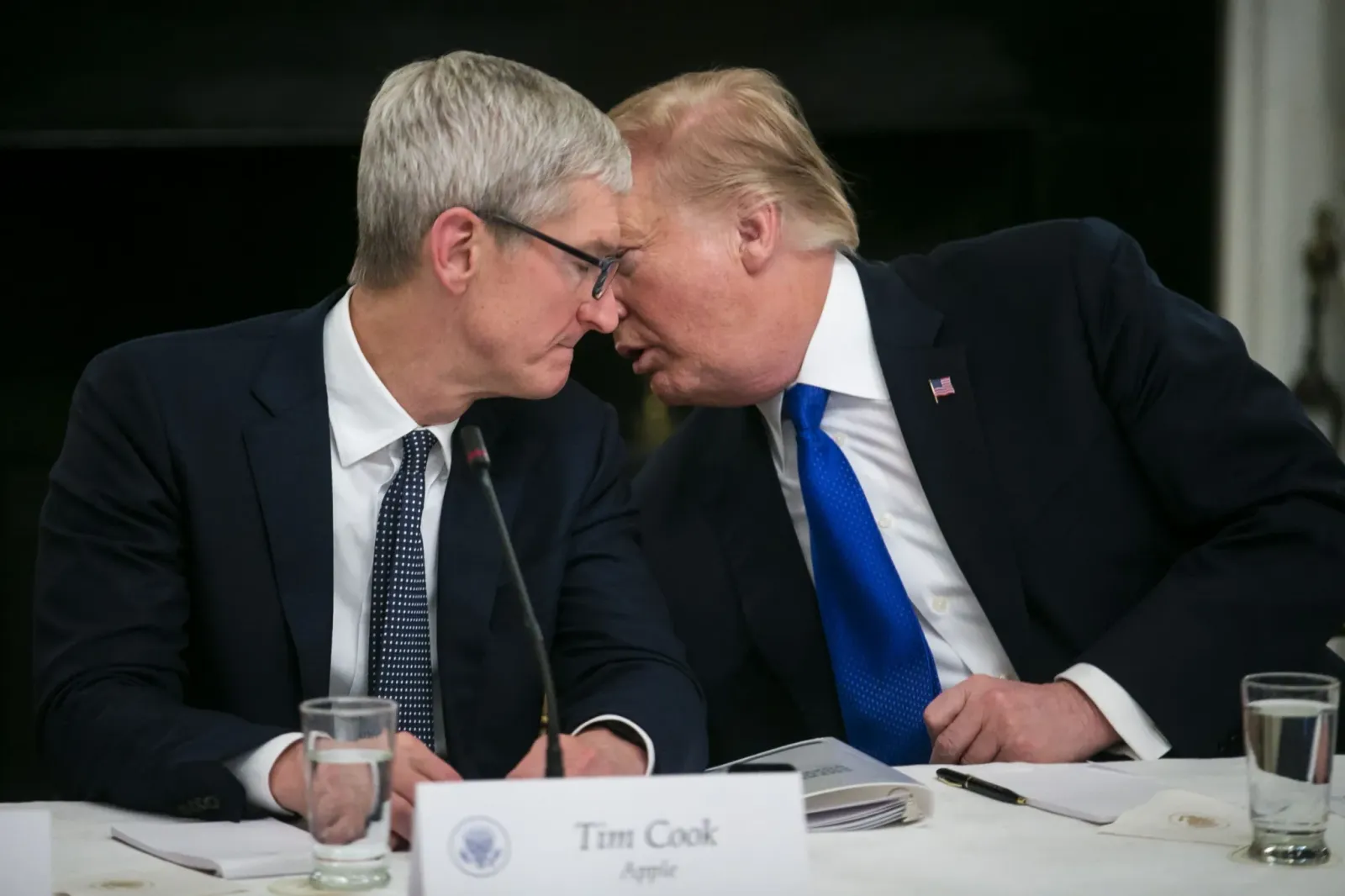
Tim Cook steps down as Apple CEO, stays on as chair with $45M equity
The 'Trump whisperer' keeps his White House and Beijing access as Apple navigates tariffs and a $4.6 trillion market cap.

Snowflake shares surge as AI data demand crushes estimates, lifting full-year forecast
Stocks jumped on stronger-than-expected guidance, signaling enterprise AI workloads are accelerating faster than Wall Street priced in.

Tim Cook's 15-year Apple CEO run ends: 3 lessons for any successor
After 15 years, Tim Cook hands Apple to John Ternus - here's how he turned a $350B company into a $4.6T juggernaut.