
China’s heavy-duty truck makers turn electrification into overseas sales via subsidies
FAW Jiefang, Foton, and others are leveraging cheaper ownership costs and tech gains as energy pressure pushes net-zero freight.
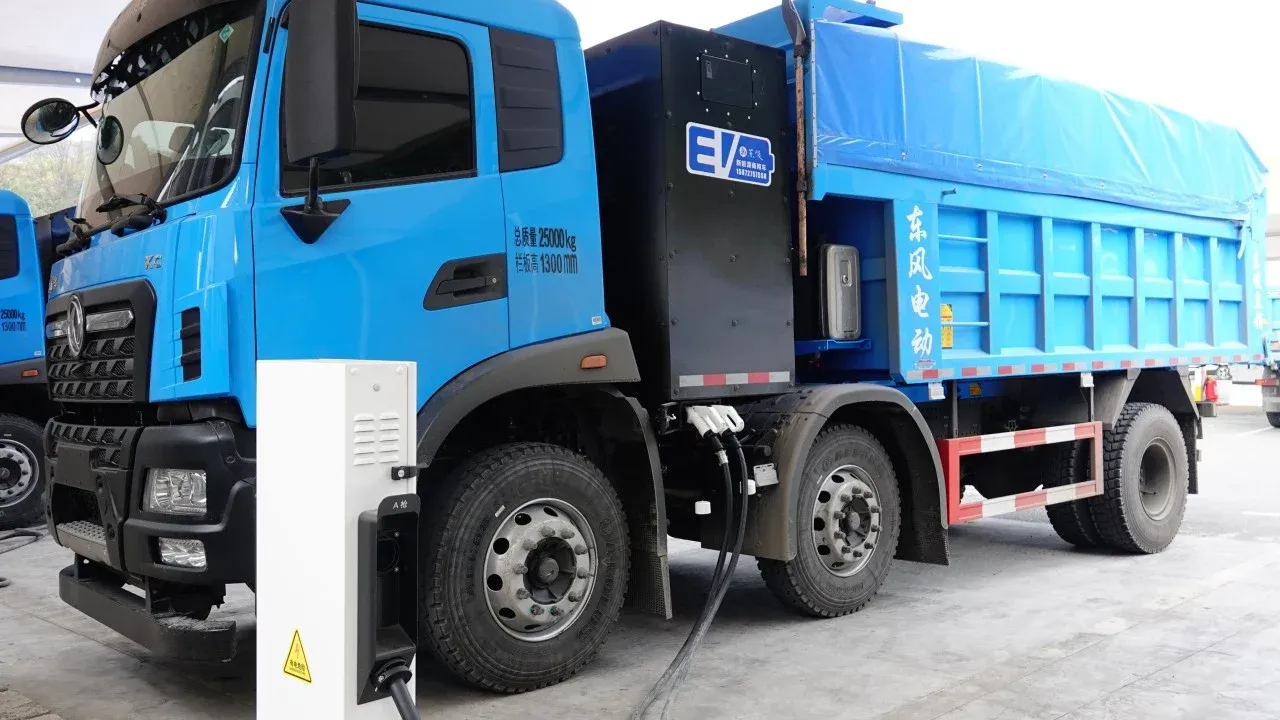
China’s domestic heavy-duty truck makers are emerging as beneficiaries of accelerating electrification on China’s roads, with subsidies helping support a path to net-zero freight. Analysts at S&P Global Ratings point to Southeast Asia and Africa, where Chinese makers have overseas assembly hubs, as expected growth engines for companies including FAW Jiefang and Foton Commercial Vehicles.
China’s heavy-duty truck makers are betting big on electrification at home and then exporting the momentum abroad. The basic idea is simple but high stakes: electrification reduces operating friction over time, subsidies lower the initial math of adoption, and overseas demand rises when energy costs and energy security become board-level issues. In other words, what starts as a domestic policy tailwind is turning into an international sales playbook for companies that build the trucks in the first place.
The immediate payoff is showing up in export expectations. Analysts at S&P Global Ratings say Southeast Asia and Africa are expected to serve as new growth engines for Chinese heavy-duty truck makers. They specifically call out companies ranging from FAW Jiefang to Foton Commercial Vehicles. The reason these regions matter is not just geography. It is that Chinese makers have already established overseas assembly hubs there, which means the leap from selling to producing locally is shorter, cheaper, and faster than it would be otherwise.
This is where subsidies enter the story. The source frames electrification as accelerating on China’s roads, and it links that acceleration to support that helps pave the road to net-zero freight. In the freight world, “net-zero” is not a vibe, it is a set of costs, timelines, and procurement standards that can reshape fleets. Electrifying heavy trucks is especially sensitive because these vehicles face harsher duty cycles and higher upfront prices than lighter vehicles. When subsidies help close that gap, more buyers can move earlier, and manufacturers get a chance to scale technology and production.
Technology gains are the second leg. According to the source, technological gains and lower ownership costs are bolstering overseas sales. That matters because even when subsidies exist, fleets still need economics that survive life after the subsidy. Ownership costs in trucking are usually dominated by fuel and maintenance. When electrification improves cost structure, it can become an adoption flywheel rather than a temporary incentive. For executives, the real question becomes whether the cost advantage is sticky enough to keep demand coming even when policy emphasis shifts.
The third leg is the external environment. The source ties the sales push to a global energy crisis. When energy systems tighten, fleets and governments look for alternatives that reduce exposure to volatile fuel supplies and prices. That does not automatically guarantee that electric trucks win everywhere. But it does create a stronger willingness to experiment, to sign pilot programs, and to align procurement with decarbonization goals. The combination of energy stress plus net-zero freight targets makes electrification look less like a long-term bet and more like an operational necessity.
So why Southeast Asia and Africa, specifically? The source points to a practical advantage: Chinese makers have already established overseas assembly hubs in those regions. Assembly hubs change the sales ceiling. They make it easier to adapt to local conditions, manage logistics, and respond to customs and import constraints. They also reduce lead times and improve the ability to service fleets after purchase. In a sector where uptime is currency, that “after the truck is delivered” capability can be as important as the vehicle itself.
For companies in the same space, the strategic implication is straightforward. Electrification is not just a product roadmap. It is a supply chain strategy, and the winners are the ones that can move from domestic adoption to international deployment without rebuilding their infrastructure from scratch. If FAW Jiefang, Foton Commercial Vehicles, and similar manufacturers can scale manufacturing and service footprints in these regions, they can lock in relationships with fleet operators while competitors are still figuring out how to justify electrification economically.
This is also a boardroom story. Analysts at S&P Global Ratings are effectively pointing to where growth is expected. That means management teams should watch not only demand indicators, but also whether electrification support translates into durable cost advantages, whether overseas assembly capacity keeps pace with orders, and whether global energy pressures continue to tilt purchasing decisions in favor of electrified freight. The stakes are large because the truck market is capital intensive, and fleet adoption cycles move slower than consumer tech cycles. If the policy and cost tailwinds hold, overseas electrified truck sales can become a compounding asset, not a one-off export push.
This story's Key Insights and Take-aways are locked.
Create a free account to unlock Executive Actions for one credit.
Register to UnlockAlways free for Executives Club members. Join the Club
More in Business

Bungie cuts most Destiny 2 staff as Sony says Marathon still matters
Herman Hulst confirms layoffs affecting most Destiny and some Marathon teams after Bungie admits Destiny fell short.

SK Hynix jumps 11% after seeking up to $29.4B in Nasdaq listing
The chip giant filed for a Nasdaq listing plan that could raise $29.4 billion, instantly reshaping investor expectations.

Micron revenue hits nearly $42B as AI memory lifts gross margins above 81%
Fiscal Q3 results crush estimates, prove AI memory is rewriting Micron's margins, and change the momentum math for the whole chip stack.