

China's internet giants open the door: PayPal joins WeChat Pay, Bilibili goes global
Two moves this month signal a historic shift as China's gated digital economy starts welcoming foreign users and payments.
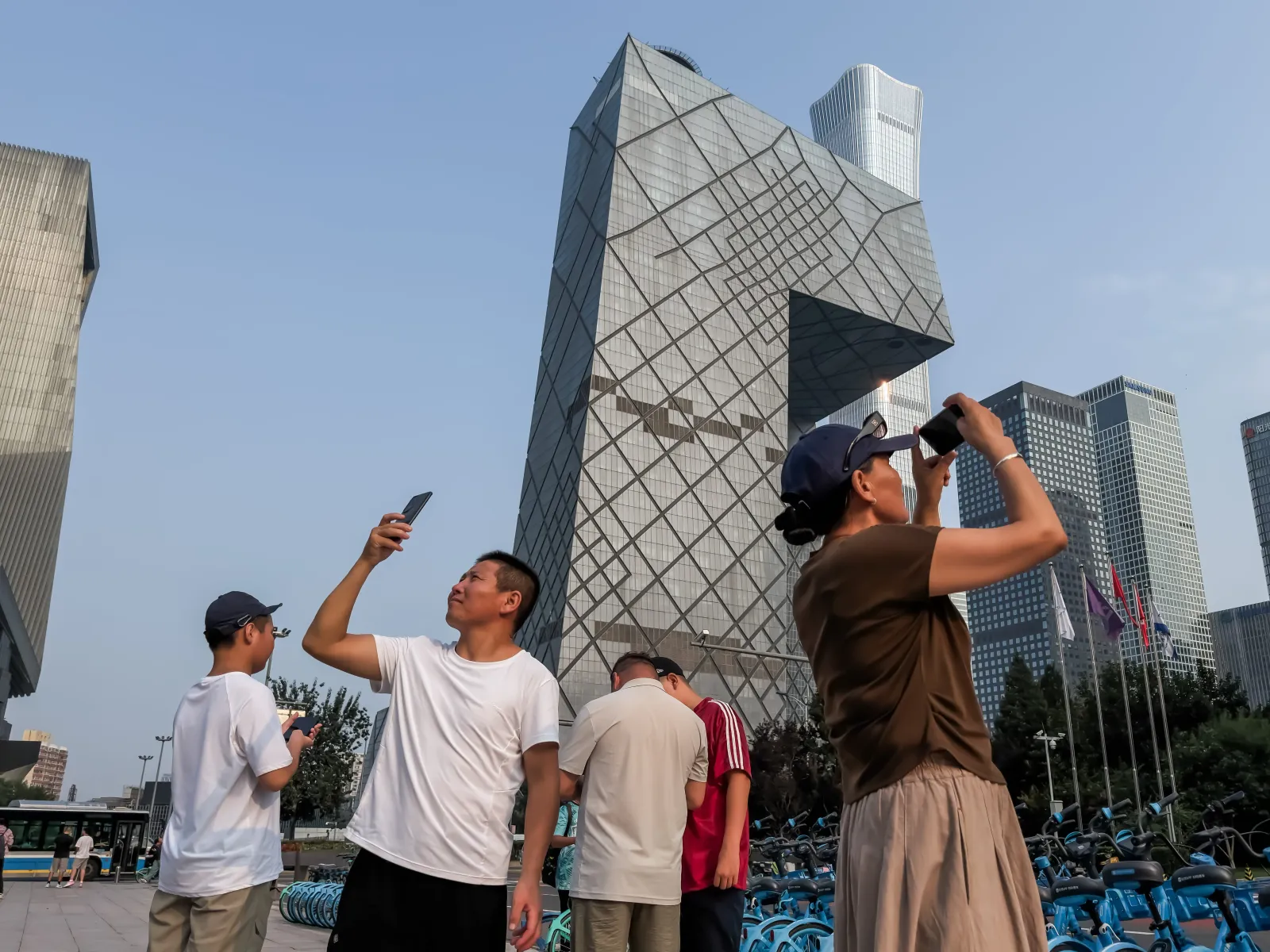
Tencent's WeChat Pay is integrating PayPal for US tourists, and Bilibili launched an international app, marking China's internet economy opening to outsiders. This shift creates new market access for Western companies and signals a strategic pivot as Chinese tech firms seek global growth amid domestic slowdown.
China's famously insular internet economy is cracking open. This month, two of its biggest players made moves that would have been unthinkable a few years ago: WeChat Pay integrated PayPal for US users, and content platform Bilibili launched an international app. These are not isolated experiments - they are the clearest signals yet that Beijing's digital wall is developing a door, and Western businesses and tourists are being invited through it.
Start with the payment side, because that is where the friction has been sharpest. On August 11, PayPal announced that US users can now make in-store QR payments at Weixin Pay merchants across mainland China - no extra app downloads, no Chinese bank account required. Weixin, better known as WeChat, is owned by Tencent, and its cross-border payment arm TenPay provides the underlying rails. TenPay CEO Wenhui Yang framed it as giving international visitors "a familiar and convenient way to pay" at "tens of millions" of merchants. For context, China's major cities have been largely cash-free for years, and tourists without Alipay or WeChat Pay have often found themselves locked out of the most basic transactions. Jeffrey Towson, founder of TechMoat Consulting, told Business Insider it was "almost impossible to be a tourist in China" without those apps - a problem PayPal just solved for a meaningful slice of visitors.
The second move is cultural and commercial at once. Bilibili, China's youth-focused platform beloved by anime, comics, and gaming fans, launched an international app this month and opened an X account to announce it, promising access for "more countries" soon. Semafor reported that Bilibili is courting non-Chinese creators and recruiting staff in Japan, the US, and Europe. That puts Bilibili in a lineage that includes TikTok's 2017 overseas launch and RedNote (Xiaohongshu) exploding in popularity in 2025 when US users flocked there during TikTok's "divest-or-ban" scare, many calling themselves "TikTok refugees." The pattern is unmistakable: China's digital giants are no longer content to rule a walled garden.
Why now? The answer is partly economic. Domestic consumption is stagnating, and in some sectors slowing, so Chinese companies are hunting for growth abroad. Towson put it bluntly: "Every company I know is talking about international. Bilibili, I was not talking about this seven years ago. So, that's definitely a big trend." The PayPal-WeChat integration also fits a broader geopolitical arc. Allison Malmsten, a public research director at Daxue Consulting, noted that China's separate banking system and firewall made its "digital universe exist separately from the rest of the world's digital universe." Now, she says, China is playing a bigger role globally - and letting foreigners in is part of that play.
This is happening against a backdrop of Chinese tech companies racing the US in AI, robotics, and EVs. Moonshot AI's Kimi K3 open-weight model promises "frontier intelligence" for coding and reasoning at a fraction of Western costs. Jacob Cooke, CEO of WPIC Marketing + Technologies, sees a through-line: Chinese firms now have globally competitive offerings, "whether it's Kimi K3's frontier AI or Bilibili's unique content ecosystem." He calls these "aggressive, intentional forays into foreign markets to tap into foreign demand."
For Western executives, the implications are double-edged. On one hand, easier payments and new content platforms lower the barrier for entering China's consumer market - a market of 1.4 billion people that has been notoriously hard to crack. On the other, Chinese tech companies are now exporting their platforms and AI models with the same aggressive playbook that made TikTok a global force. The door is opening, but it swings both ways: Western companies get access to Chinese consumers, and Chinese platforms get access to Western users and data. The race is on, and the first movers - PayPal, Bilibili, and the creators they court - are already through the door.
This story's Key Insights and Take-aways are locked.
Create a free account to unlock Executive Actions for one credit.
Register to UnlockAlways free for Executives Club members. Join the Club
More in Business
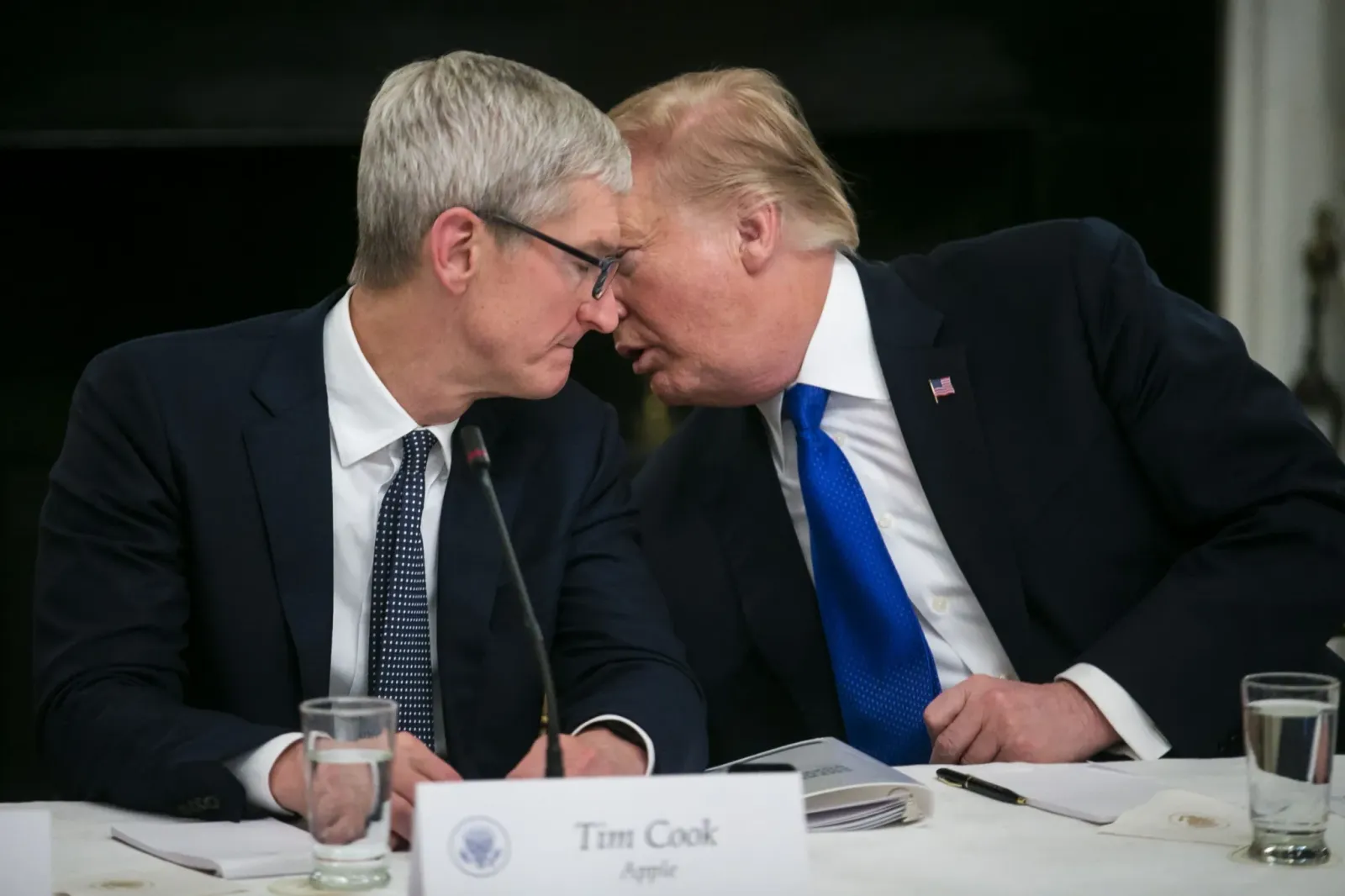
Tim Cook steps down as Apple CEO, stays on as chair with $45M equity
The 'Trump whisperer' keeps his White House and Beijing access as Apple navigates tariffs and a $4.6 trillion market cap.
Snowflake shares surge as AI data demand crushes estimates, lifting full-year forecast
Stocks jumped on stronger-than-expected guidance, signaling enterprise AI workloads are accelerating faster than Wall Street priced in.
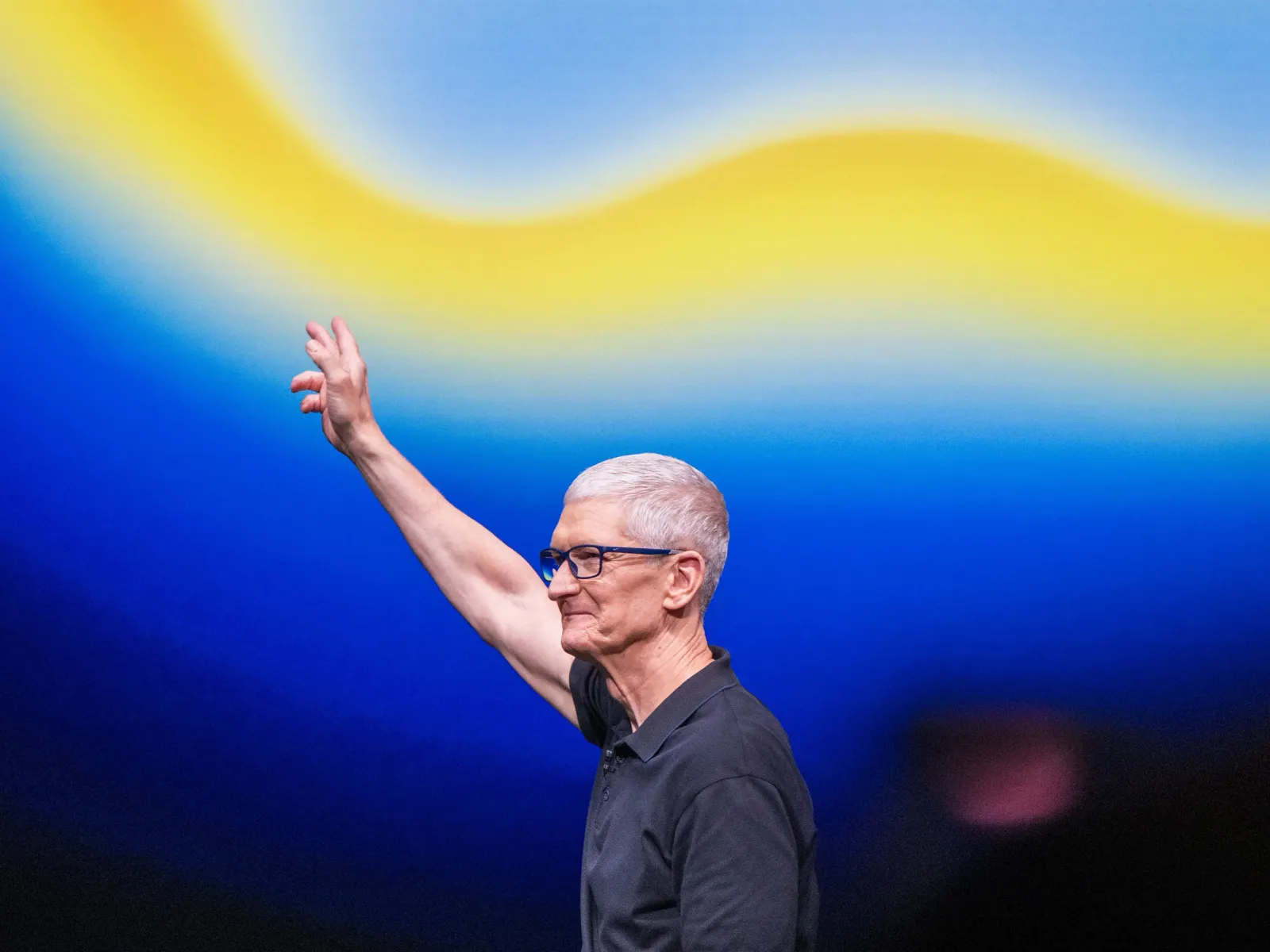
Tim Cook's 15-year Apple CEO run ends: 3 lessons for any successor
After 15 years, Tim Cook hands Apple to John Ternus - here's how he turned a $350B company into a $4.6T juggernaut.