
China’s mopping robots take 70% of global share, fueled by rapid innovation
Nikkei Asia reports China’s cleaning robotics edge is capturing most global share and raising the bar for everyone else.
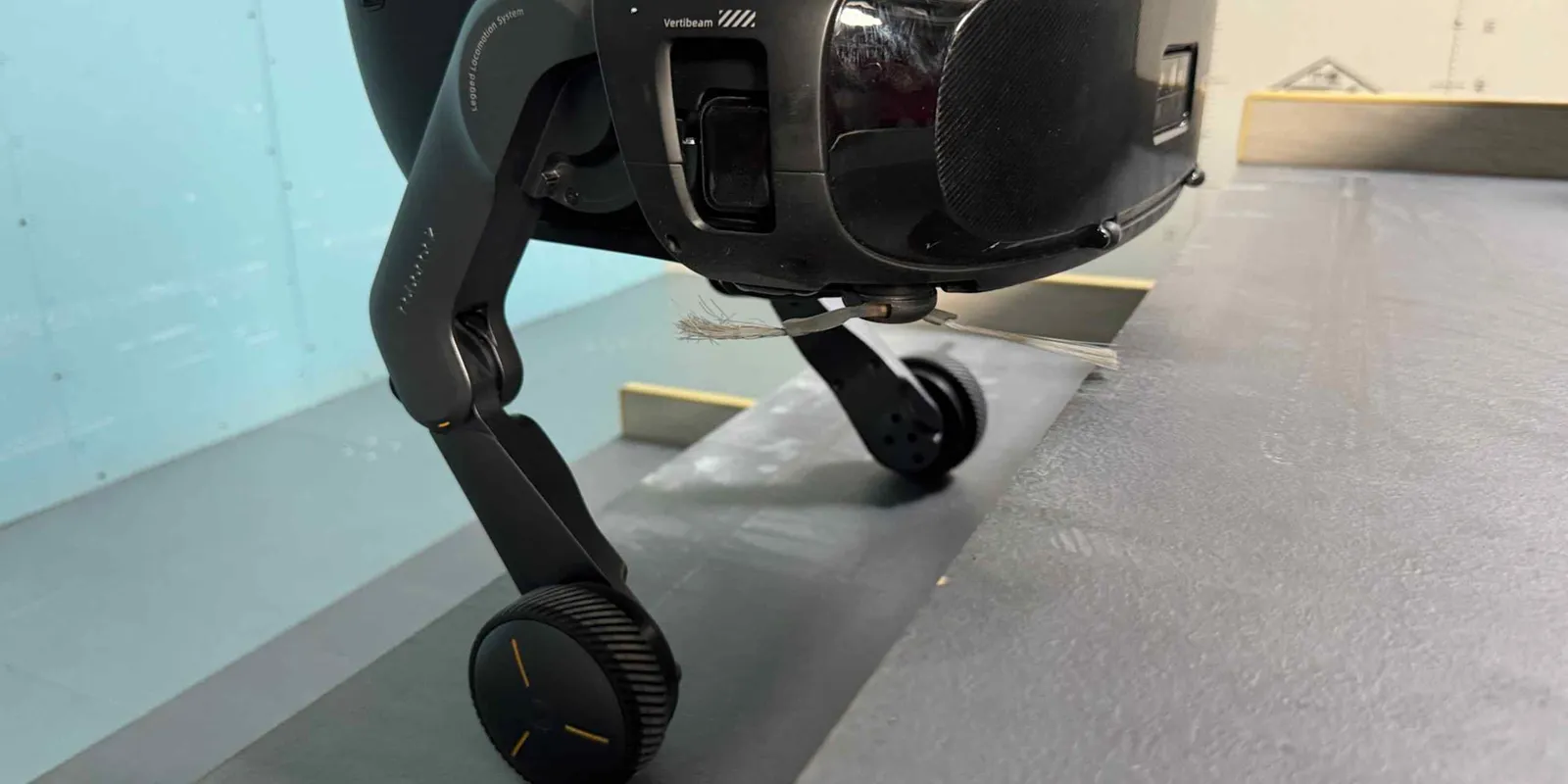
China’s cleaning robots, especially mopping systems, have taken about 70% of global market share, driven by innovation, according to Nikkei Asia. The implication for decision-makers is simple: if you sell, fund, or buy in cleaning robotics, you are no longer competing with the past, you are competing with China’s iteration speed.
China’s cleaning robots are not just shipping. They are mop-up machines, capturing about 70% of global share, Nikkei Asia reports, and doing it through fast-moving innovation.
That 70% figure matters because it is a concentration signal. When one geography pulls that much of global share, it usually means more than one product. It suggests an ecosystem that can iterate quickly, integrate better into real-world workflows, and scale supply. In cleaning robotics, where customers care about reliability and cleanliness outcomes more than “cool demos,” the ability to keep improving week after week becomes a commercial weapon.
To understand why this happened, you have to zoom out to what “innovation” actually buys in robotics. Cleaning systems live in the messiest environment imaginable: uneven floors, hair and dust, sticky residues, and the occasional obstacle that was not in the training footage. The winners are the teams that close the gap between lab performance and daily performance. That is usually a mix of better navigation, smarter sensing, improved coverage planning, and hardware durability. When those improvements compound, the market share can tip. Not because everyone else stopped trying, but because customers tend to standardize around what works reliably.
There is also a market-structure reason the number can get sticky. Cleaning is fragmented by building type and facility operations. Once a fleet is deployed, switching costs rise. Facilities learn the system, train staff, and build routines around it. Vendors that reach a “good enough, always” threshold gain a distribution advantage that is hard to claw back, even if competitors have a technically better system on paper. When Chinese robots are capturing 70% globally, that often implies they have moved beyond early adopters and into the mainstream purchasing logic of operators.
For decision-makers, the strategic risk is that this is not a static “market share” story, it is a pace story. If innovation is the driver behind the share capture, then the real question becomes: can peers match the iteration loop? That includes engineering throughput, manufacturing scale, supply chain resilience, and the ability to ship improvements without destabilizing deployments. In other words, it is not only about who invents. It is about who operationalizes.
Regulatory background is relevant too, even when the headline is about robotics and cleaning. Robotics adoption typically runs into rules and standards around safety, electrical systems, data handling, and workplace use. In practice, compliance can slow deployment, not because regulators are anti-technology, but because organizations need predictable risk management. If a vendor already understands the compliance path and has repeatable documentation for deployments, it shortens procurement timelines. That kind of friction reduction can translate into share capture, especially in categories where facilities want to avoid operational surprises.
There is also a capital and board-level implication. When one region dominates share quickly, it changes how investors and boards evaluate opportunity. The temptation is to assume the category is “solved.” The smarter interpretation is that execution speed is the differentiator, not the business model. Boards should ask whether their teams have the manufacturing and software integration capacity to keep improving at the pace the market rewards. CFOs should pressure-test unit economics under realistic deployment conditions, because in cleaning robotics, margin is often squeezed by maintenance, replacements, and customer support expectations.
Peer companies and partners now face a new competitive baseline. If China’s mopping robots already hold about 70% of global share, then buyers comparing vendors will adjust their expectations. That means higher minimum performance requirements, faster iteration timelines, and more aggressive cost targets. The strategic stakes are immediate: fall behind on innovation and you do not just lose a deal, you lose the standard.
For executives, this is the quiet reckoning behind the headline. A big share number is not just market trivia. It is a scoreboard of how quickly one ecosystem converts engineering into deployed value. If you are in cleaning robotics, facilities automation, or adjacent consumer and enterprise automation, the question is no longer whether robots can clean. It is whether you can innovate, scale, and comply fast enough to stay in the race.
This story's Key Insights and Take-aways are locked.
Create a free account to unlock Executive Actions for one credit.
Register to UnlockAlways free for Executives Club members. Join the Club
More in Business

Anthropic’s Levant Alpöge cracks the Jacobian conjecture after 87 years
A Harvard valedictorian used Claude to hit a 1939 breakthrough, but the missing “why” is the real problem.

Uber buys Delivery Hero for nearly $15B, vaulting to top food delivery outside China
The deal doubles Uber's dual-services footprint and pushes a ride-and-eats bundling play into 50 more markets.

Epic and Google drop settlement bid, forcing rival Android app stores by July 22
Google told the court it is ready to carry third-party app stores starting Wednesday, July 22.