
Chris Avellone says he couldn't finish Fallout season two, calls scripts “embarrassing”
The Fallout: New Vegas writer explains why TV game adaptations miss, and what it means for the next season.
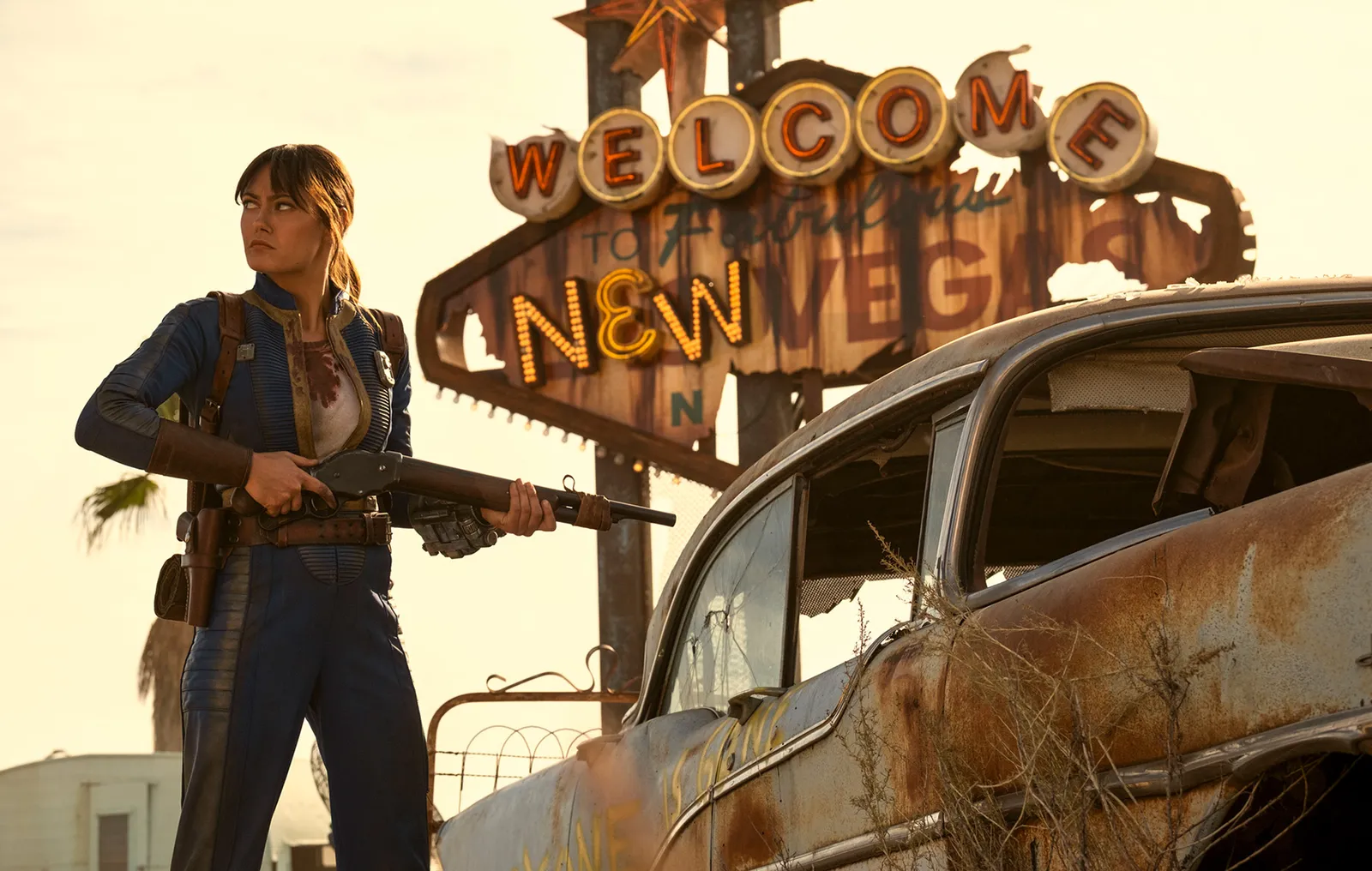
Chris Avellone, senior designer and writer on games including Fallout 2 and New Vegas, says he is “embarrassed” by the Amazon Prime Video Fallout adaptation. His comments land just as season three is in the works and Fallout 5 will reportedly be influenced by the live-action show.
Chris Avellone, a senior designer and writer known for Fallout 2 and Fallout: New Vegas, said he got to the beginning of episode three of Amazon Prime Video’s Fallout season two and “couldn’t take it anymore.” On Insider Gaming’s Access Granted podcast, he added that he feels “embarrassed” watching parts of the show’s writing, even while acknowledging that the series is fun.
That contrast matters. Avellone praised specific casting and moments, saying “Seeing Walton Goggins in Fallout was amazing” and that Ella Purnell “has the right features and delivery for being a naïve vault dweller with a little bit of steel in there.” But he said the scripts did not land for him, and he openly described his decision to stop watching: “I tried” to keep going, but “couldn’t take it anymore,” then joked that he is “over 50” and has to make “oxygen choices” about how to spend time.
If you are a decision-maker watching this, it is not just a fandom spat. It is a stress test of a business model that keeps getting bigger: taking a beloved game property and turning it into prestige television. Avellone framed the bigger issue with a blunt incentive thesis, arguing that Hollywood writers often do not “respect the work done by the original game creators.” In his view, when that respect is missing, writers dismiss the source work and “go in their own direction,” sometimes to “rush off and do their own take” or to make the project “their own.”
He also argued that this approach creates practical creative costs, not just cultural ones. Avellone said the result is “missed opportunities,” because creators may choose to reference their own lore and context instead of building on established worldbuilding. In other words, he is not just complaining about tone or style. He is pointing to how authorship incentives can reshape a franchise, then ripple forward into what the audience expects next.
Avellone did not paint the whole enterprise as hopeless. He compared Fallout to a different adaptation success case, praising Cyberpunk: Edgerunners. He said it was “really cool,” with “no problems” there, because it delivered something that worked as a TV project rather than merely re-skinning game beats. That distinction is key for anyone in media strategy: “adaptation” can mean translation, or it can mean replacement. Avellone’s critique suggests Fallout is too often trying to do the second.
Meanwhile, the show’s corporate runway is getting longer. NME reports that a third season of Fallout is currently in the works, with the show’s star Aaron Moten suggesting it could run for as many as six seasons. In parallel, Todd Howard, boss at Bethesda Game Studios, has confirmed that the upcoming game Fallout 5 will be influenced by the live-action adaptation. The source says Bethesda rewrote the first season of Fallout to avoid plot points that had been earmarked for Fallout 5, but now Howard has put a stake in the ground: “Fallout 5 will be existing in a world where the stories and events of the show happened or are happening. We are taking that into account.”
That is where the stakes get very real for executives, boards, and anyone underwriting franchises. When a TV adaptation becomes canon-adjacent for a major game release, you shift from “marketing synergy” to actual cross-medium dependency. Creatively, you may have to coordinate pacing, lore, and event outcomes. Strategically, you risk audience mismatch if the translation fails. A viewer like Avellone who stops at episode three is not just expressing taste; he is signaling how fast negative sentiment can crystallize when scripts do not carry the weight of the source.
There is also a second-order reputational risk. If insider voices from within the original creative ecosystem publicly frame the scripting as embarrassing, that narrative travels in the exact networks where executives and licensors do business: creators, industry podcasts, and tech-forward communities. And those communities matter because they are often early signal providers for broader audiences. The more a franchise relies on trust in the original craft, the more damaging it is when that trust appears to break.
So what should peers take from this? Avellone’s comments underline that adaptation is not just production. It is stewardship. If you are mapping a franchise across TV and games, your creative governance has to be designed for respect, not just speed. A season can be “fun,” and casting can still impress, but if the writing quality is inconsistent, the franchise can end up paying for it across time: in viewer retention, in community perception, and in how confidently fans believe the next installment will honor what they loved in the first place.
This story's Key Insights and Take-aways are locked.
Create a free account to unlock Executive Actions for one credit.
Register to UnlockAlways free for Executives Club members. Join the Club
More in Entertainment

12TB Steam 'teraleak' goes beyond Valve: GTA 3, Mafia 2 prototypes exposed
A 12-terabyte dump of Steam data reveals prototypes and builds of third-party classics like GTA 3 and Mafia 2, plus unreleased Valve content, rewriting game history.

LinkedIn's romance problem: 1 in 4 workers say dating on it is fair game
A new survey shows a quarter of U.S. employees treat the professional network as fair game for romance, even as LinkedIn bans it and removes hundreds of thousands of offending posts.

Enhypen's first No. 1 album breaks K-pop's Billboard 200 streak
The K-pop group's 98,000-unit debut tops the chart while Dolly Parton's catalog reentry shows how death reshapes streaming.