
Christopher Nolan’s $250m Odyssey adaptation sets up the summer’s biggest culture fight
A nearly $250m gamble on a 3,000-year-old poem pitches classics against YouTube-era attention spans.
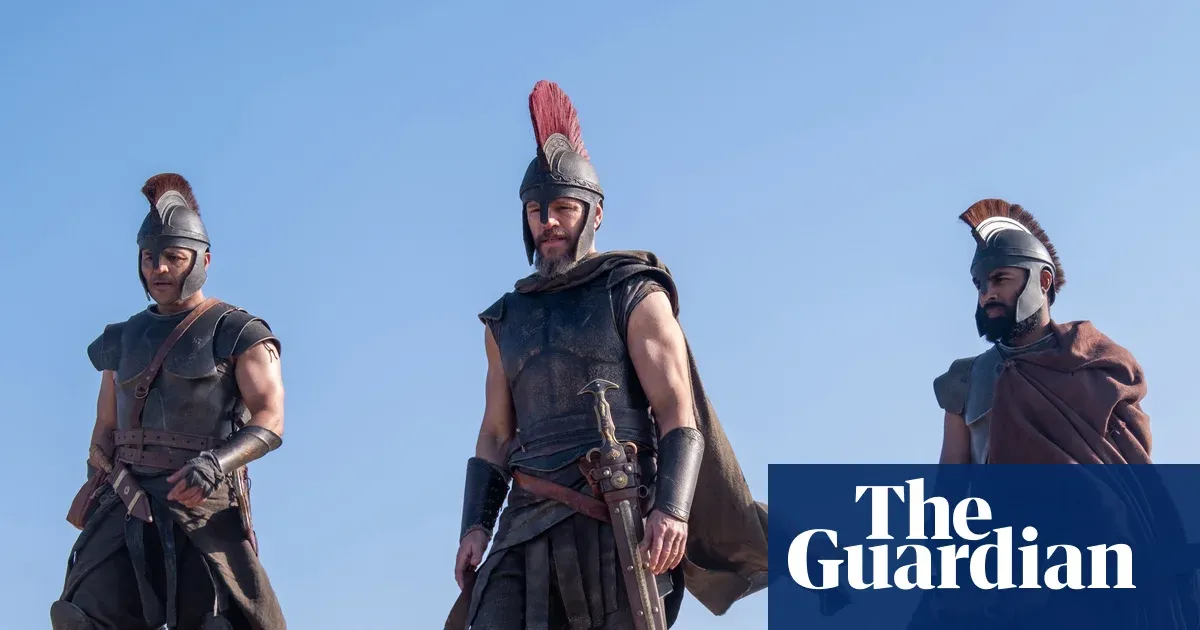
Christopher Nolan is directing and releasing his adaptation of the Odyssey, a follow-up to Oppenheimer, with a budget estimated at $250m. For executives, the play signals how much mainstream studios are willing to spend to win culture, not just box office.
Christopher Nolan’s next big swing is not a sequel, reboot, or franchise expansion. It is an adaptation of the Odyssey, a classical Greek epic that is nearly 3,000 years old, and it is arriving as his follow-up to Oppenheimer, the grim, Oscar-winning study of the origins of nuclear war. The film is being pitched as the summer’s most anticipated release, and it comes with a production bill estimated at $250m, the largest of Nolan’s career.
That number matters because it is the opposite of what “content optimized for clicks” typically looks like. Nolan is going the “old-fashioned” way: high budget, theatrical-scale storytelling, and an adaptation of a foundational Western text, not a format tuned for short-form platforms. The cast, too, reads like a deliberate bridge between eras of fame. It includes established Hollywood names like Matt Damon and Anne Hathaway, plus newer, teen-friendly faces such as Zendaya and Spider-Man’s Tom Holland. It also leans into more idiosyncratic casting choices, including Lupita Nyong’o, Mia Goth, Samantha Morton, and fellow director Benny Safdie.
In business terms, this is a brand and distribution bet as much as it is a creative one. The Guardian frames the moment as an epic plot twist in itself: the hottest movie of the summer is not positioned as a superhero flick, an alien-invasion yarn, or a crinolines-and-bonnets period drama. Instead, it is built on the Odyssey, alongside its companion epic, the Iliad, both of which are described as foundational works of Western civilisation. That framing is not just cultural commentary. It signals what the studio believes it can still sell at scale: depth, spectacle, and literary gravity.
Nolan is not an accidental filmmaker in this context. The source reminds us he previously directed Memento, the Dark Knight trilogy, and Dunkirk, before turning to Oppenheimer. That trajectory matters because it explains why the budget can climb as high as it is. His brand is tied to event filmmaking, and the market has learned to treat his releases as premium propositions, not “any weekend” entertainment. In other words, if you are a board member or a studio executive watching the changing economics of attention, Nolan’s approach becomes a case study in what it takes to justify large-scale risk.
And the risk is wider than the movie business. The article’s premise points to culture wars, classics, and “the nature of film-making.” When a mainstream tentpole selects a nearly 3,000-year-old epic, it invites arguments about what audiences value and who gets to define “relevance.” Those debates can be noisy, but they do not only play out in comment sections. They show up in marketing spend, release strategies, and the kinds of talent and partnerships studios choose to activate. Casting Zendaya and Tom Holland alongside the more established Hollywood names is one way to hedge that cultural bet, but it does not fully remove the gamble. It just changes the audience mix the film is aiming to reach.
There is also a second-order implication for any executive thinking about tech-driven media competition. The headline’s setup mentions YouTube upstarts, which is basically shorthand for a world where creators can scale without the same theatrical infrastructure, and where distribution and discovery often start with algorithmic feeds. Nolan’s Odyssey, by contrast, is built for theaters and for slower-burn cultural conversation. That does not mean platform creators cannot reach massive audiences. It means a film with an estimated $250m budget is implicitly betting that the “premium, communal viewing” lane still exists, and that classics can still carry modern cinematic weight.
If you are sitting on a studio board, advising a content strategy team, or allocating capital across media, this is the strategic tension: do you chase the velocity of the internet, or do you invest in the endurance of culture? Nolan’s track record includes both blockbuster-scale work and director-led prestige, and his Odyssey is being positioned as the summer’s marquee test. The question for decision-makers is not whether audiences like spectacle. It is whether they will show up, together, for a story anchored in an epic poem, at a price tag that reflects maximum confidence. In a media landscape where formats multiply and attention fractures, the Odyssey adaptation is a loud, expensive statement about what still commands belief.
This story's Key Insights and Take-aways are locked.
Create a free account to unlock Executive Actions for one credit.
Register to UnlockAlways free for Executives Club members. Join the Club
More in Entertainment

Russell Brand's accuser 'bewildered and confused' as he denies 7 sex charges
The criminal case against the comedian is a live test of how media companies manage talent risk when serious allegations go public.

'It's a Magic Trick': Ballet Experts Say Rosalía's SNL Pose Is Impossible
Three ballet experts tell Rolling Stone Rosalía's gravity-defying SNL stillness shouldn't be possible - and why the debate is now part of the show.

Activision CMO: GTA 6 Will Boost Call of Duty, Not Bury It
Activision's top marketer says Rockstar's blockbuster will drive players back to consoles and into Modern Warfare 4, even as the company admits its recent strategy failed.