

Christopher Nolan says “identifiable mechanisms” don’t invalidate storytelling criticism
In his Beijing rollout for The Odyssey, Nolan argues critics misread Hollywood’s rules of narrative as “proof it didn’t work.”
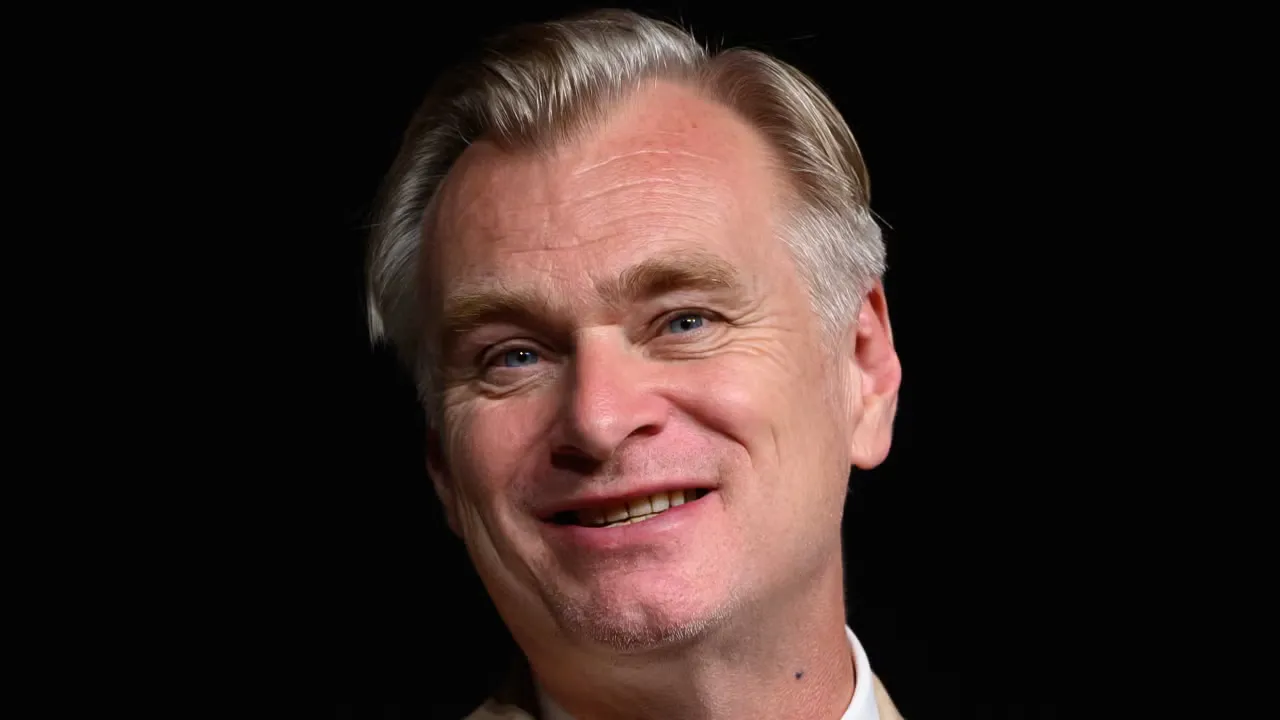
Christopher Nolan, promoting his adaptation of Homer’s The Odyssey, tells interviewer Zhong Shu that identifying a storytelling mechanism does not invalidate the mechanism. The message lands with critics, boards, and media leaders because it challenges how mainstream film languages get evaluated and changed.
Christopher Nolan’s “real problem in criticism today” is not whether movies are good. It is whether audiences and reviewers treat a visible storytelling technique as an automatic disqualifier. In a promotional interview for The Odyssey, originally posted to the Chinese video platform Bilibili on Friday, Nolan pushed back on a pattern he says he sees: people try to “invalidate” a storytelling mechanism simply because it is “identifiable.”
Nolan’s argument is blunt. “Because to be able to identify the mechanism does not invalidate the mechanism,” the filmmaker said, adding, “That’s a real problem in criticism today.” He then summarized the deeper misunderstanding he thinks critics make: audiences assume that if they can “understand why the story affects me” through the mechanism, then the mechanism “therefore, it didn't work.” In his framing, that logic is backwards: “That’s not how storytelling works.”
Why this matters beyond film nerd debates is that Nolan is talking about something Hollywood builds for a reason. He describes modern Hollywood storytelling as a “lingua franca of storytelling created by Hollywood for the last hundred years that is effectively universal.” In other words, mainstream narrative is not random. It is a shared set of rules and conventions audiences have been trained on for decades. Nolan calls that language “a very, very accessible modern language of storytelling,” and he argues filmmakers have to be aware of it because the audience brings “the energy” they bring to the story.
This is where Nolan’s conversation with Zhong Shu turns from defense into instruction. He says his film has to be “in conversation with the expectations of the audience.” Then he draws a practical line between awareness and laziness. Yes, storytellers can “break those conventions,” “bend them,” or “move them,” but they “have to be aware of them.” The reason is simple: once the mechanism becomes too familiar, it may need to be changed. But familiarity is not the same thing as invalidity. The trick, in his view, is not hiding technique. It is using technique deliberately, knowing what your audience has seen and what it expects.
Nolan also clarifies who he thinks is getting it wrong. He says the issue is something he’s observed in “amateur film criticism,” while “professional film criticism tends to understand the necessity for the mechanisms.” That distinction is doing a lot of work. It suggests the film criticism ecosystem, not just audiences, is part of the feedback loop that shapes what gets made, how it gets marketed, and how future directors decide whether to follow or remix the familiar narrative grammar.
The interview itself comes amid an ongoing reception story for The Odyssey, and Nolan’s remarks appear designed to address it head-on. While the interviewer does not cite specific responses in the conversation, she playsfully accuses Nolan of drawing skeptical readings from “classicists” and “academics.” That matters because the scrutiny is not only about plot. It is about interpretation. The source notes that on Monday, classicist Emily Wilson, whose translation of Homer’s epic poem was published in 2017, panned the film in a review. Wilson wrote that the themes are “filtered through contemporary American ideas about the importance of philanthropic charity,” and that it “is not in itself a problem,” but “it is a problem if the film’s own values and vision don’t hang together.”
So you have two layers colliding. Nolan is arguing about how audiences evaluate identifiable narrative mechanisms. Wilson is arguing about how the film’s values align with the source material as translated and understood through classical scholarship. Those critiques do not map perfectly onto each other, but they share a common thread: both suggest that viewers are judging the film through a lens they believe is objective, and both imply that those lenses might be missing what Nolan thinks is essential. For Nolan, what’s essential is the interaction between intention and audience reception, and the idea that the mechanics of storytelling are not a flaw they are the medium.
From an executive perspective, the practical question is what happens next when that debate spreads across review cycles, social discourse, and cross-market rollouts. Nolan is in Beijing as one of the final stops for his global rollout of The Odyssey. The film opens in China on August 14, though special preview screenings began in the country on Saturday. When a major filmmaker publicly argues with criticism frameworks, it can influence not just sentiment, but also how distributors, marketing teams, and editorial partners decide what to emphasize: character arc empathy, narrative transparency, fidelity to source interpretations, or the broader thesis of the adaptation.
Second-order implications follow for boards and media leaders: when the credibility of narrative evaluation itself becomes part of the story, the risk is that discourse fragments into incompatible scoring systems. One group treats identifiable technique as evidence of manipulation. Another treats thematic and cultural framing as evidence of misalignment with an ancient text. If you are making or funding films, shows, games, or any product built on audience expectations, you want clarity on what “working” means to the people you need on your side. Nolan’s message is that the mechanism is not the villain. The mismatch between intention and reception is. That is the reckoning he’s trying to force the industry to face, right as The Odyssey steps into another market with another set of critics, conventions, and expectations.
This story's Key Insights and Take-aways are locked.
Create a free account to unlock Executive Actions for one credit.
Register to UnlockAlways free for Executives Club members. Join the Club
More in Entertainment

'It's a Magic Trick': Ballet Experts Say Rosalía's SNL Pose Is Impossible
Three ballet experts tell Rolling Stone Rosalía's gravity-defying SNL stillness shouldn't be possible - and why the debate is now part of the show.

Activision CMO: GTA 6 Will Boost Call of Duty, Not Bury It
Activision's top marketer says Rockstar's blockbuster will drive players back to consoles and into Modern Warfare 4, even as the company admits its recent strategy failed.
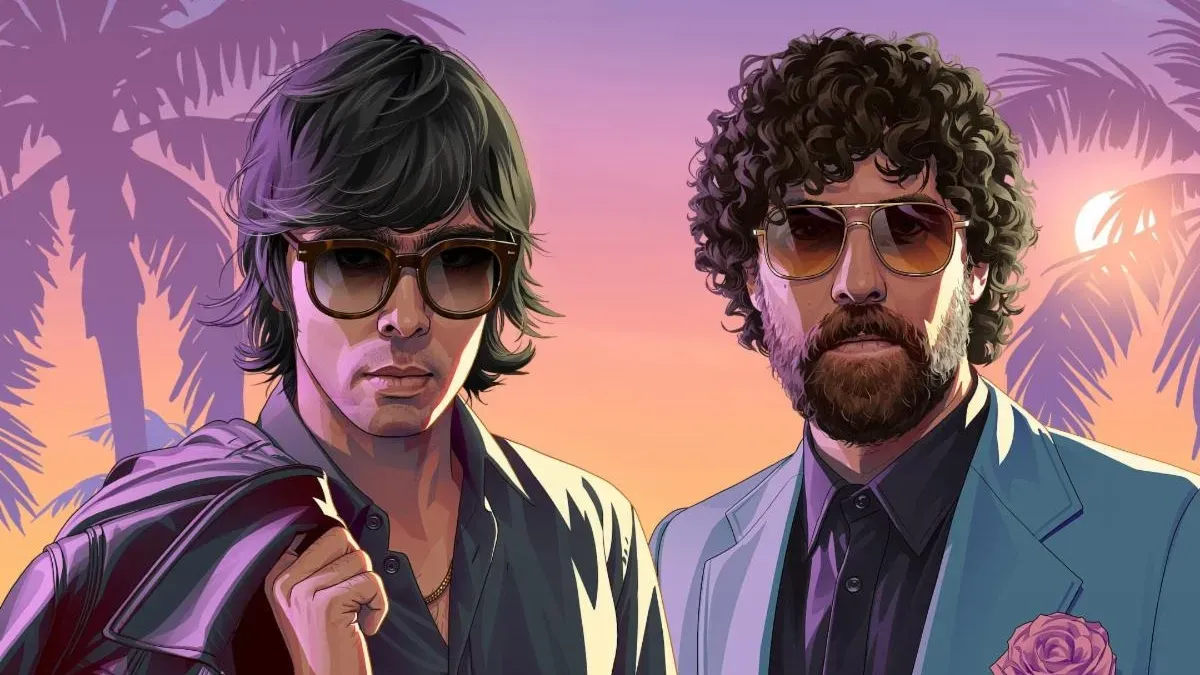
Justice to Score GTA 6, Share New Song with Tame Impala, SZA, King Gizzard
Rockstar taps the French duo for the GTA VI score, and the first taste is a genre-melting collab with Tame Impala, SZA, and King Gizzard & The Lizard Wizard.