
CMF by Nothing says Phone Pro 2 is its last 2025 phone
Budget smartphone operator CMF has a hard release limit this year, reshaping how investors and partners plan demand.
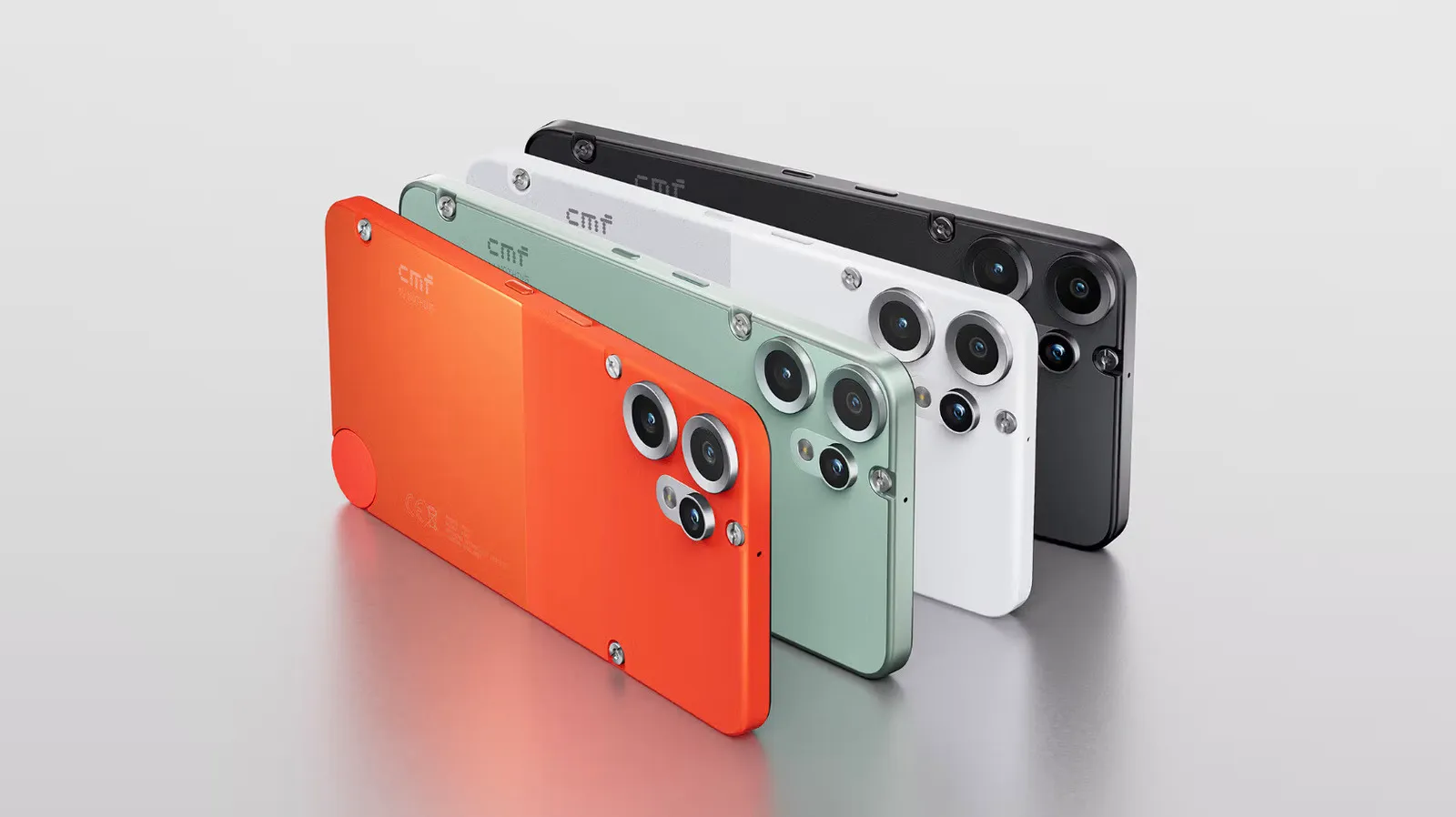
CMF by Nothing will not be able to release a follow-up to the Phone Pro 2 this year. For decision-makers, that signals a near-term slowdown in CMF's product cadence, changing expectations for shelf share and channel commitments.
CMF by Nothing will not be able to release a follow-up to the Phone Pro 2 this year. That is the headline, and it matters because in phones, “this year” is not a vibes-based timeline. It is tied to budgeting cycles, retailer commitments, carrier planning, and the brutal reality that attention shifts every quarter.
If you are an operator, investor, or partner watching CMF, the immediate read is simple: Phone Pro 2 is the current book of business for 2025, not a stepping stone to a second launch you can slot into your forecasts. CMF is still “Nothing’s budget brand,” but the brand’s release schedule is now effectively capped for this year. In a market where competitors often treat launches like seasons, CMF is choosing (or being forced) into a longer stretch with fewer new reasons for customers to upgrade.
To understand the second-order impact, zoom out to how budget phone brands typically win. The play is usually a mix of price discipline and frequent refreshes that keep models relevant against spec bumps and promotional cycles. When a follow-up is not coming this year, two things can happen at once. First, the urgency that drives upgrades changes. Customers who were waiting for “the next thing” now have less information to justify waiting. Second, distribution planning gets harder. Retailers and online channels often prefer predictable drops, because they can coordinate campaigns, inventory, and marketing spend around known launch dates.
There is also an incentives layer here. Nothing as a company competes not just on devices, but on brand clarity, product identity, and the momentum of launches. CMF by Nothing occupies a different lane, usually anchored in the idea of “budget without being generic.” When CMF cannot release a follow-up, it can shift where the brand’s creative and marketing energy goes. That can mean more pressure on existing products like Phone Pro 2 to carry the year, or more reliance on non-device demand drivers such as accessories, services, or promotions tied to the existing lineup. The source we have is brief on the reason, but the business implication stands: less cadence means greater dependence on the one product still in-market.
Regulatory and compliance framing tends to be invisible when everything is moving quickly. However, phone releases are increasingly shaped by paperwork reality: certifications, regional approvals, radio and connectivity checks, safety documentation, and import rules that can vary by market. Even without claiming what specifically blocked CMF’s timeline, the industry context is that “getting it out” is not just engineering. It is compliance plus logistics, and those steps often do not compress neatly on a schedule. When a follow-up does not happen in the same year, boards and finance teams typically interpret it as either a resource constraint, a sourcing constraint, or a gating issue in the release pipeline.
Now, for decision-makers at CMF, Nothing, and competitors, this is not just a footnote. Budget segments are crowded. Many brands fight over the same pool of upgrade-ready buyers, including first-time smartphone shoppers and users who upgrade in response to pricing promos. If CMF has a single anchor model this year, competitors can exploit that window to push alternative devices, especially if they are planning their own campaign calendars. In competitive terms, CMF loses a potential “second wave” moment that could have captured new buyers mid-cycle.
And for investors and partners, there is the portfolio math. Phone businesses can look deceptively simple on earnings calls until you factor in marketing spend timing, component lead times, and channel inventory. A reduced launch schedule can mean lower near-term unit growth expectations for CMF, even if margins or demand per unit might hold steady. It can also affect bargaining positions with retailers and carriers. If your partner knows the next CMF release is not this year, they may renegotiate co-op marketing, promos, or shelf strategy, because the campaign value is tied to when a device is new.
So what should you take from this? CMF by Nothing is not releasing a follow-up to Phone Pro 2 this year, which turns the current lineup from “current model” into “the 2025 bet.” In a market where momentum is measured in product drops, not product promises, that constraint will ripple through forecasting, channel planning, and competitive strategy for anyone involved in budget smartphones this year.
This story's Key Insights and Take-aways are locked.
Create a free account to unlock Executive Actions for one credit.
Register to UnlockAlways free for Executives Club members. Join the Club
More in Technology

Nvidia's $89B data center quarter: the 9 companies cashing in
The AI buildout is minting fortunes beyond GPUs, and memory, cloud, and cooling suppliers are riding the same wave.

Google quietly links your phone number to every Android account on your SIM
Adding a SIM now ties your phone number to all Google accounts - and future accounts inherit it. Here's the security and privacy stakes.

Hijacker AI 'Skynet mode' runs 100,000 attack steps against exposed models
Symantec caught a criminal AI agent that borrows other models, steals data, and mines crypto; the only relief is no confirmed victims yet.