
Comedy Invasion alums Alisha Dhillon and Quentin Lee reboot chemistry for Unleeshed
Dhillon writes and stars as the series targets AAM.tv’s worldwide Thanksgiving 2026 audience with LA standup comedy.
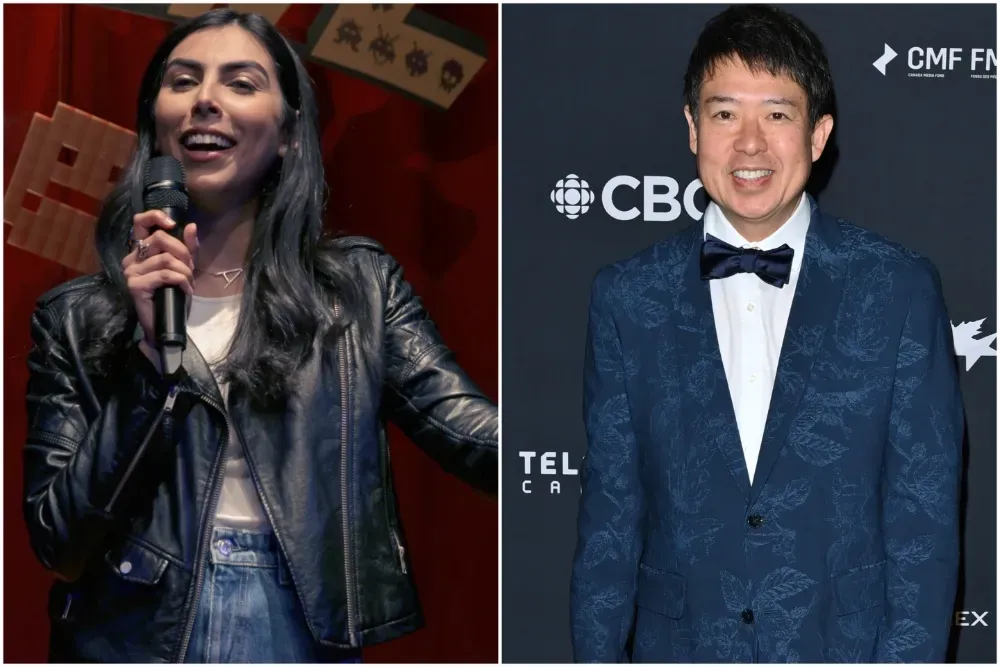
Comedian Alisha Dhillon and creator Quentin Lee, both alumni of the Canadian Screen Award-winning series “Comedy Invasion,” are reuniting to co-create the vertical series “Unleeshed.” The show, which Dhillon wrote and stars in, is set to broadcast worldwide on Asian American Movies (AAM.tv) for Thanksgiving 2026.
Alisha Dhillon and Quentin Lee are back together. The “Comedy Invasion” alumni are reuniting to co-create the vertical series “Unleeshed,” which Dhillon wrote and stars in, and which will broadcast worldwide on Asian American Movies (AAM.tv) for Thanksgiving 2026. The immediate business signal here is clear: two proven comedy creators are deliberately leaning into a platform and a schedule holiday that comes with built-in viewing intent.
“Unleeshed” is set in the Los Angeles world of standup comedy, and that choice matters more than it sounds. Standup is inherently location-rich but also extremely format-flexible. For a vertical series, that flexibility can translate into tighter scenes, faster comedic turns, and a more “drop-in” viewing experience that can travel across devices and time windows. It is also a smart cultural and audience fit for Thanksgiving, a holiday when entertainment consumers are typically open to longer sessions, family group watching, and casual bingeing. If you are an operator or investor tracking how creators are thinking about distribution, this is a reminder that comedy brands are not only “content,” they are repeatable audience behavior.
This is also not just a random reunion. Both Dhillon and Lee come out of “Comedy Invasion,” a Canadian Screen Award-winning series. When creators reteam after an award-recognized project, they usually bring more than a shared past. They bring proof of what worked in writing, tone, and audience expectations. In executive terms, that de-risks development. It also changes negotiation leverage: the creators can point to a known audience outcome rather than pitching a blank slate. That can affect everything from budget posture to creative control, especially when a new series is targeting a specific platform and a global broadcast window rather than a generic release.
Let’s talk platform incentives, because vertical series distribution is where the strategic plumbing lives. AAM.tv is explicitly positioned around Asian American audience interests, and the worldwide broadcast framing suggests the series is built to travel beyond one local market. Vertical video formats often win on discoverability and mobile-native engagement, but the real differentiator is how well a format matches the story rhythm. “Unleeshed” is not described as a generic comedy; it is described as an LA standup comedy universe. That blend is important. The “standup world” gives you recognizable comedic frameworks and scenes that can be episodic, while vertical delivery can support shorter attention cycles. For decision-makers, the question is not whether vertical works in general. It is whether this specific comedy premise can sustain interest across episodes and across time zones.
Regulatory and rights considerations are typically the unglamorous part of a global broadcast plan. The source does not detail compliance specifics, so we should not invent them. But the second-order implication is real: a worldwide broadcast plan for a Thanksgiving 2026 date means the rights and clearances timeline has to be treated like a production-critical path. Music, performance footage, guest cameos, and any recognizable standup material often require careful licensing and approvals. Even if those mechanics happen behind the scenes, a global window tends to force earlier certainty on what is included, what is safe to distribute, and what needs additional approvals. For boards and investors, the takeaway is straightforward: the schedule is not only a creative deadline. It is a rights operations deadline.
There is also an emerging “creator-led distribution” dynamic worth watching. Dhillon is both writer and star, which generally increases continuity and reduces handoff risk. When a lead creator is also the author, the creative intent tends to stay intact through production and post. Quentin Lee, as the creator and co-creator, likely shapes the overall concept and tone, providing a second layer of creative alignment. For partners and executives, that matters because vertical series often face tight iterations. Fewer misalignments means faster revisions, fewer costly rewrites, and potentially cleaner marketing messaging.
Finally, consider the strategic stakes for peers. If “Unleeshed” lands well, it reinforces a playbook: award-backed comedy teams can repackage their chemistry into mobile-friendly formats and hook into culturally timed global distribution. For decision-makers building content roadmaps, it suggests that holiday scheduling is not just for movies. It can be a distribution strategy for series too, especially when the format encourages repeat viewing. In short, this reunion is not only a creative story. It is a distribution experiment with real calendar weight.
This story's Key Insights and Take-aways are locked.
Create a free account to unlock Executive Actions for one credit.
Register to UnlockAlways free for Executives Club members. Join the Club
More in Entertainment

12TB Steam 'teraleak' goes beyond Valve: GTA 3, Mafia 2 prototypes exposed
A 12-terabyte dump of Steam data reveals prototypes and builds of third-party classics like GTA 3 and Mafia 2, plus unreleased Valve content, rewriting game history.

LinkedIn's romance problem: 1 in 4 workers say dating on it is fair game
A new survey shows a quarter of U.S. employees treat the professional network as fair game for romance, even as LinkedIn bans it and removes hundreds of thousands of offending posts.

Enhypen's first No. 1 album breaks K-pop's Billboard 200 streak
The K-pop group's 98,000-unit debut tops the chart while Dolly Parton's catalog reentry shows how death reshapes streaming.