
Cory Barlog confirms Santa Monica Studio’s next God of War stars Kratos
The director says Kratos’ next chapter lands after God of War: Ragnarok’s sequel, Laufey, in 2027.

God of War game director Cory Barlog confirmed at San Diego Comic-Con that Santa Monica Studio is developing a new action-adventure God of War game starring Kratos. The timing matters: Barlog said it will be released after God of War Laufey, which is now officially coming in 2027.
Kratos is coming back, and Cory Barlog just made it official. At San Diego Comic-Con on Friday, the God of War game director confirmed that PlayStation’s Santa Monica Studio is developing another action-adventure entry in the franchise, this one starring Kratos. Barlog’s announcement also included the release sequencing, saying Kratos’ next game will arrive after God of War Laufey, which is now officially coming in 2027.
That “after 2027” detail is the headline’s real stake. It tells you Santa Monica is not just planning a standalone follow-up, it is building a runway where one major release (Laufey, in 2027) is treated like the next big pillar, and then Kratos’ next game comes after that. For executives, sequencing is strategy. It affects studio resourcing, marketing calendars, platform expectations, and the way audiences mentally budget their attention for a multi-year franchise arc.
To appreciate why this is more than a simple announcement, zoom out to how PlayStation tentpoles work. Big single-player franchises are expensive and slow to produce, but they are also the kind of products that anchor brand trust. When a director like Cory Barlog confirms development at a high-visibility cultural event like Comic-Con, it signals to fans and partners that the studio is actively protecting continuity. In practice, continuity is a competitive moat. It reduces uncertainty for audiences deciding which ecosystems and hardware generations to bet on, and it reduces uncertainty for investors and platform stakeholders who need to forecast demand.
There is also an industry incentive layer here. Studios that handle franchises at scale typically operate with long planning horizons, where internal roadmaps and external release timing need to align. Barlog saying Kratos’ next game is after Laufey suggests Santa Monica is coordinating the narrative and production pipeline across releases rather than letting projects compete internally. That coordination is often where delays get prevented, because it avoids the “two fires, one studio” problem. The downside is obvious too: you cannot slip the wrong domino without rippling across the schedule.
Now, let’s talk about why the explicit 2027 labeling matters for decision-makers beyond fandom. When a major title is “now officially coming in 2027,” it creates a concrete planning point for budgets, staffing, and promotional beats. That is when financial stakeholders start mapping studio cash burn against expected monetization windows. It is also when platform teams start aligning hardware launches, subscription planning, and content calendars to avoid competing against their own product cadence.
Even though the source does not provide more details about gameplay, monetization, or release dates beyond the 2027 framework, the strategic message is still clear: Santa Monica is doubling down on the Kratos engine. That can influence second-order behavior across the industry. If PlayStation is continuing to invest in a cornerstone character with a multi-year roadmap, other publishers and platform strategists have to factor in sustained demand for narrative action-adventure experiences, especially those tied to long-running mythic storytelling.
There is a subtle governance implication too. Cory Barlog is described as “game director,” and his direct confirmation at a major industry event is a reminder that creative leadership often doubles as strategic communication leadership. In many organizations, the board level wants two things at once: progress and clarity. Announcements like this provide both, even if they are light on technical specifics. They help leadership demonstrate momentum while still keeping key details flexible until closer to release.
So what should executives at peer studios, investors, and operators take away from this? First, franchise planning is not just about the next game, it is about the order of operations. Second, when a director publicly anchors a release window like “coming in 2027,” it becomes a coordination signal across the entire ecosystem. And third, protecting a protagonist-led brand like Kratos is a capital allocation decision. It tells the market that the franchise will not fade between entries; it will be paced, positioned, and layered for years.
In short: Santa Monica Studio is making another God of War starring Kratos, confirmed by Cory Barlog at San Diego Comic-Con. But the real strategic tell is the timing. Kratos’ next game is set to land after God of War Laufey, which is officially coming in 2027, and that sequencing will shape how PlayStation and the broader industry plan their next wave of attention, spend, and releases.
This story's Key Insights and Take-aways are locked.
Create a free account to unlock Executive Actions for one credit.
Register to UnlockAlways free for Executives Club members. Join the Club
More in Entertainment

'It's a Magic Trick': Ballet Experts Say Rosalía's SNL Pose Is Impossible
Three ballet experts tell Rolling Stone Rosalía's gravity-defying SNL stillness shouldn't be possible - and why the debate is now part of the show.

Activision CMO: GTA 6 Will Boost Call of Duty, Not Bury It
Activision's top marketer says Rockstar's blockbuster will drive players back to consoles and into Modern Warfare 4, even as the company admits its recent strategy failed.
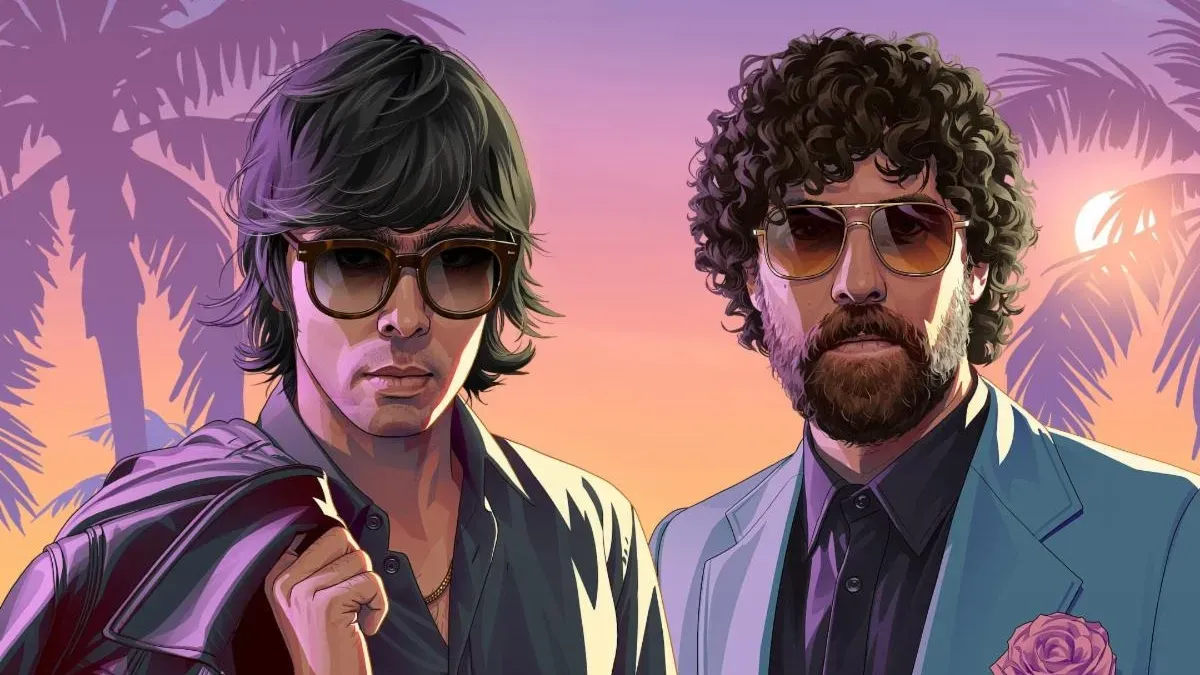
Justice to Score GTA 6, Share New Song with Tame Impala, SZA, King Gizzard
Rockstar taps the French duo for the GTA VI score, and the first taste is a genre-melting collab with Tame Impala, SZA, and King Gizzard & The Lizard Wizard.