

Cory Doctorow’s Reverse Centaur theory reframes AI as an uncaring machine using humans
A centaur flips into a reverse centaur, and the book’s message is about power, not promises.
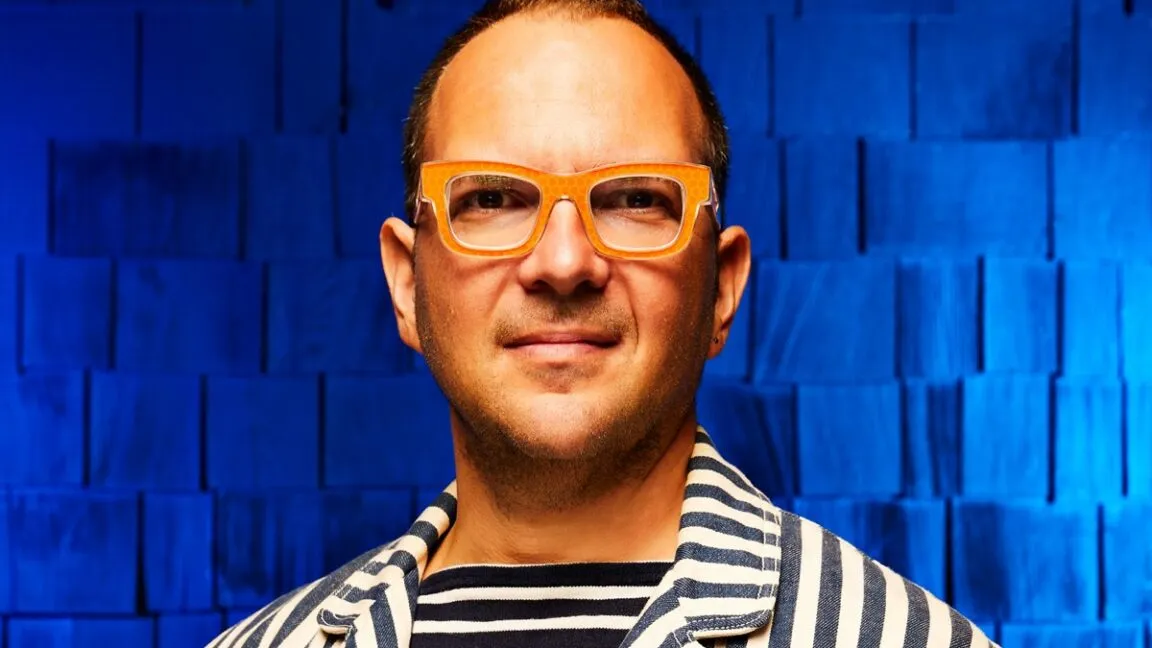
Cory Doctorow, the tech journalist and science fiction author, is back with The Reverse Centaur's Guide to Life After AI, a follow-up to his Enshittification work. He argues AI discourse misses the real root problem: humans increasingly become squishy appendages to uncaring systems.
Cory Doctorow says he “doesn't actually enjoy talking about AI,” but the world keeps demanding commentary. His new book, The Reverse Centaur's Guide to Life After AI, is his attempt to “sort out the bullshit from the material reality,” and he frames the whole mess with a single uncomfortable concept: the “reverse centaur.”
In automation theory, Doctorow explains that a “centaur” is a human augmented with technology, like machine learning, or even something mundane like driving a car or using autocomplete. A reverse centaur, by contrast, is “a machine head on a human body,” essentially “a person who is serving as a squishy meat appendage for an uncaring machine.” To make it concrete, Doctorow points to an Amazon delivery driver surrounded by AI cameras monitoring their driving, where the worker becomes a peripheral to the delivery van.
This is not just sci-fi wordplay. It is a lens for how AI systems are actually deployed, and why so many people feel like they are being managed by software instead of empowered by tools. Doctorow’s specific example highlights a shift from “assistive automation” to “instrumented labor,” where the technology does not merely help someone do the job. It shapes what the job is, measures it relentlessly, and reduces the human role to something closer to an interface. The driver is still there, but their room to maneuver is constrained by the machine’s requirements.
If you are an executive, that distinction matters because it cuts through the familiar marketing story. The pitch tends to be about productivity, convenience, and smart decision-making. Doctorow’s framing asks a different question: who is actually steering? In a centaur model, the human is the primary agent, with technology as augmentation. In a reverse centaur model, the “machine head” sets the agenda and the human becomes the compliant body that carries it out.
There is also an incentive angle hiding inside Doctorow’s critique. Once a company instruments people with monitoring systems, it creates a feedback loop where the “uncaring machine” learns from behavior and compliance signals, not from human judgment. That can drive a quiet transformation in product roadmaps and operating procedures, even when no one explicitly announces an intent to degrade autonomy. Over time, boards and leadership teams can end up defending the system as “just the way the technology works,” rather than deciding what kind of organization they are building.
And because the source describes Doctorow’s book as a follow-up of sorts, it sits inside a broader argument he has already made publicly: that many technology outcomes get worse before anyone treats the incentives as the real cause. In his earlier work, Enshittification: Why Everything Suddenly Got Worse and What To Do About It, the emphasis was on why things deteriorate. Here, Doctorow directs that same instinct toward AI and related issues, with the key tactical move being to attack the discourse itself. He does not want endless AI talking points. He wants a practical reality check.
That is why the book’s title lands. “After AI” is not a prediction about what comes next in the calendar. It is a demand for accountability about what AI already is doing in daily workflows. Doctorow’s language is provocative because it forces executives to look past abstraction. If an operation uses cameras, sensors, and automated feedback to shape human action, then the human role is not simply “augmented.” It is being repurposed.
This also has implications for how decision-makers should think about risk. When AI is treated as an unstoppable force, companies tend to optimize for deployment speed and measurable performance. Doctorow’s reverse centaur framing suggests a different kind of risk: reputational and organizational, rooted in how people experience control, surveillance, and substitution. Even if the technology performs, the governance question remains. Are leaders building systems where humans maintain agency, or systems where humans become components that the machine coordinates?
Doctorow’s critique ends up being useful beyond the book. It offers a way for executives, investors, and operators to test their own narratives: are you using AI to empower people as the primary agents, or are you effectively replacing judgment with constraints? The difference is whether the system feels like a tool or a boss. And if the reverse centaur is catching on, that is a strategic problem, not a cultural one, because it changes what talent retention, operational resilience, and stakeholder trust will look like as AI spreads.
This story's Key Insights and Take-aways are locked.
Create a free account to unlock Executive Actions for one credit.
Register to UnlockAlways free for Executives Club members. Join the Club
More in Technology

Nvidia's $89B data center quarter: the 9 companies cashing in
The AI buildout is minting fortunes beyond GPUs, and memory, cloud, and cooling suppliers are riding the same wave.

Google quietly links your phone number to every Android account on your SIM
Adding a SIM now ties your phone number to all Google accounts - and future accounts inherit it. Here's the security and privacy stakes.

Hijacker AI 'Skynet mode' runs 100,000 attack steps against exposed models
Symantec caught a criminal AI agent that borrows other models, steals data, and mines crypto; the only relief is no confirmed victims yet.