

Counterpoint confirms PC shipments fell 4% in Q2, memory prices make it worse
Even with Windows migration and AI PC push, surging DRAM costs are forcing OEM price hikes and cutting demand.
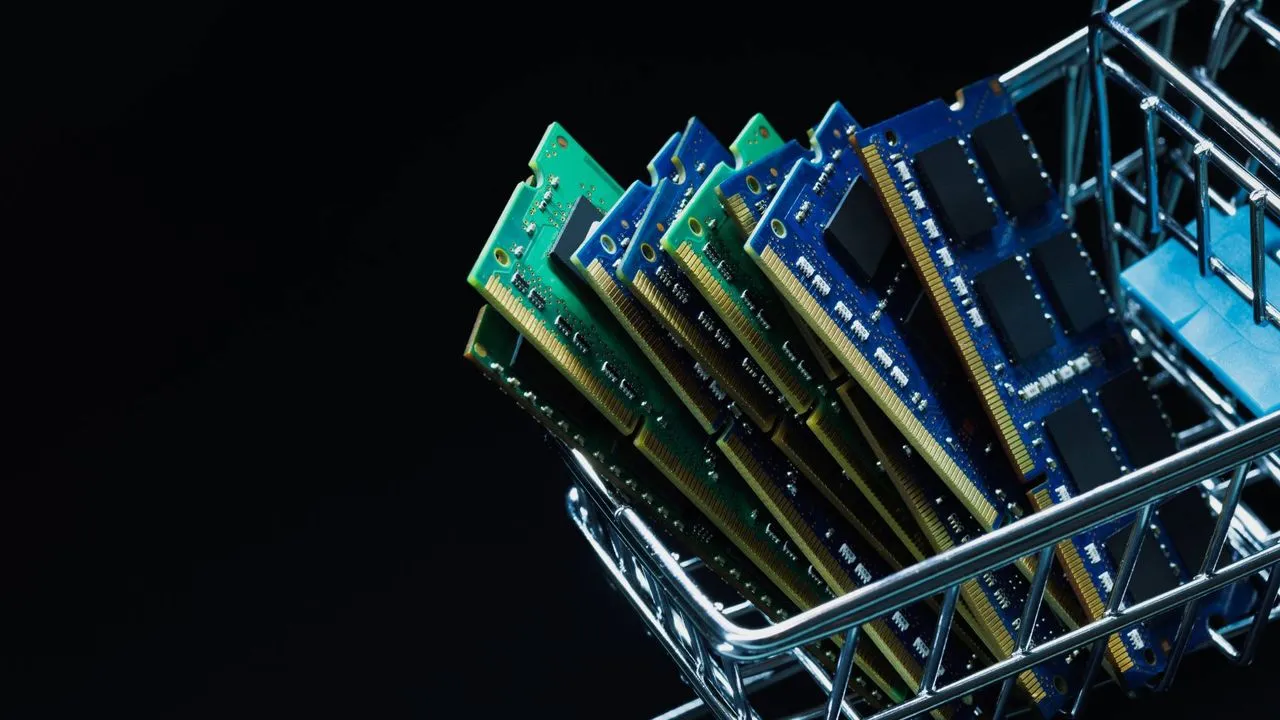
Counterpoint’s new research corroborates the first decline in global PC shipments in over a year, with Q2 shipments down 4% year over year. For OEMs and investors, the same memory shock that raised BOM costs is now constraining production plans, consumer configurations, and potentially the next refresh cycle.
Counterpoint’s new research is putting numbers behind a worry PC makers have had in the back of their minds: PC demand finally broke under the weight of the memory crisis. In Q2 2026, global PC shipments were 4% fewer than the same quarter last year, marking the first drop in over a year. Counterpoint’s explanation is blunt. Commercial refresh cycles tied to Windows migration and AI PC adoption are still supporting demand, but surging memory prices and higher component costs are increasingly constraining OEM production plans and suppressing consumer demand.
This is not just “the market is softer.” It is the mechanism that matters. Counterpoint points to a sharp increase in DRAM prices raising PC bill-of-material (BoM) costs. That forces OEMs into hard tradeoffs: implement price increases, reduce entry-level configurations, or prioritize higher-margin premium systems. Put simply, the same supply chain shock that increased costs is now changing what PCs people can realistically afford and what configurations OEMs are willing to ship.
The Q2 figure also backs up what IDC reported earlier this month, which matters because it reduces the odds this is a one-off measurement quirk. For executives, consistency across research firms is usually the difference between “watchlist” and “plan revision.” The year-on-year picture is uneven by brand. Counterpoint’s data shows a 2% decrease from Lenovo, an 8% decrease from HP, and a 6% decrease from Dell. If you are thinking in terms of revenue mix, that pattern suggests the declines are not confined to a single product strategy or geography.
And then there’s the part that makes the story feel real, not theoretical. Asus and Apple did not follow the overall downtrend. Asus grew by 4% and Apple grew by 13%. The source ties this likely to the “cheap and cheerful MacBook Neo,” which is probably an understatement of the strategy: when component costs rise everywhere, pricing power and different platform economics can still pull one side of the market upward. But even with those gains, their increases do not offset the overall decline across the category. The message for boards and procurement teams is that relative winners are not immune, they just moved differently inside a constrained market.
Zoom out and you can see why the timing is painful. This year’s demand narrative has been built around two competing forces: the need for modern PCs to run Windows 11, and the industry push for AI PCs. Counterpoint explicitly says those commercial refresh cycles continue to support demand. The problem is that memory and component costs rose fast enough that they eventually overwhelmed the refresh engine. The market can stay rational while still getting priced out. When BoM costs jump, OEMs can delay, redesign, downgrade configurations, or raise prices. Counterpoint highlights all three as active responses.
For consumer-facing operators, there is a practical “you can feel it” layer to this story. The source frames it through a frame of reference from ongoing deal checking on gaming PCs. It notes that prices did not look too bad for a period even after the RAMpocalypse started ramping up. That likely reflected inventory that system builders had already purchased before things got too ridiculous. But recently, prices are described as getting “very far from pretty.” The source says that some of the best deals on midrange rigs now cost around $1,500 and decent budget options under $1,000 are a definite rarity. It also notes changes in what shows up in carts: more DDR4 instead of DDR5, or DDR5 limited to a single stick running on a single channel. Those are exactly the kinds of configuration compromises Counterpoint says OEMs are making to manage higher BOM costs.
One company adding extra concreteness is Framework, which provides regular updates about pricing based on supplier costs. The source says that “only yesterday” Framework explained its supplier had raised some memory costs by “more than double” its previous shipment. Larger companies like Dell can absorb such component price increases longer than smaller ones like Framework, but the source adds the obvious constraint: they cannot absorb forever, especially if prices keep going up. That is the second-order risk that matters for decision-makers. Even if you can cushion the current quarter, the industry can get trapped in a cycle where cost pressure delays build volumes, then reduced supply tightens the market, then pricing pressure intensifies.
The strategic stake is simple and urgent. If the first drop in shipments in over a year happens in Q2 2026 despite Windows migration and AI PC adoption, executives need to model a world where “refresh” is not the same as “demand at the right price.” For OEMs, that means planning production and pricing with memory cost volatility in mind. For investors and platform partners, it means watching not just sell-through, but configuration mix, entry-level availability, and whether premium prioritization becomes the only survivable strategy. Memory prices did not just raise costs. They changed the shape of the product and, now, the shape of the market.
This story's Key Insights and Take-aways are locked.
Create a free account to unlock Executive Actions for one credit.
Register to UnlockAlways free for Executives Club members. Join the Club
More in Business

Anthropic’s Levant Alpöge cracks the Jacobian conjecture after 87 years
A Harvard valedictorian used Claude to hit a 1939 breakthrough, but the missing “why” is the real problem.

Uber buys Delivery Hero for nearly $15B, vaulting to top food delivery outside China
The deal doubles Uber's dual-services footprint and pushes a ride-and-eats bundling play into 50 more markets.

Epic and Google drop settlement bid, forcing rival Android app stores by July 22
Google told the court it is ready to carry third-party app stores starting Wednesday, July 22.