
Creator marketing budgets surge: 72.2% expect at least 50% growth in 2026
For boards and brand leaders, influencer marketing is maturing from experiment to core spend, with trust as the differentiator.
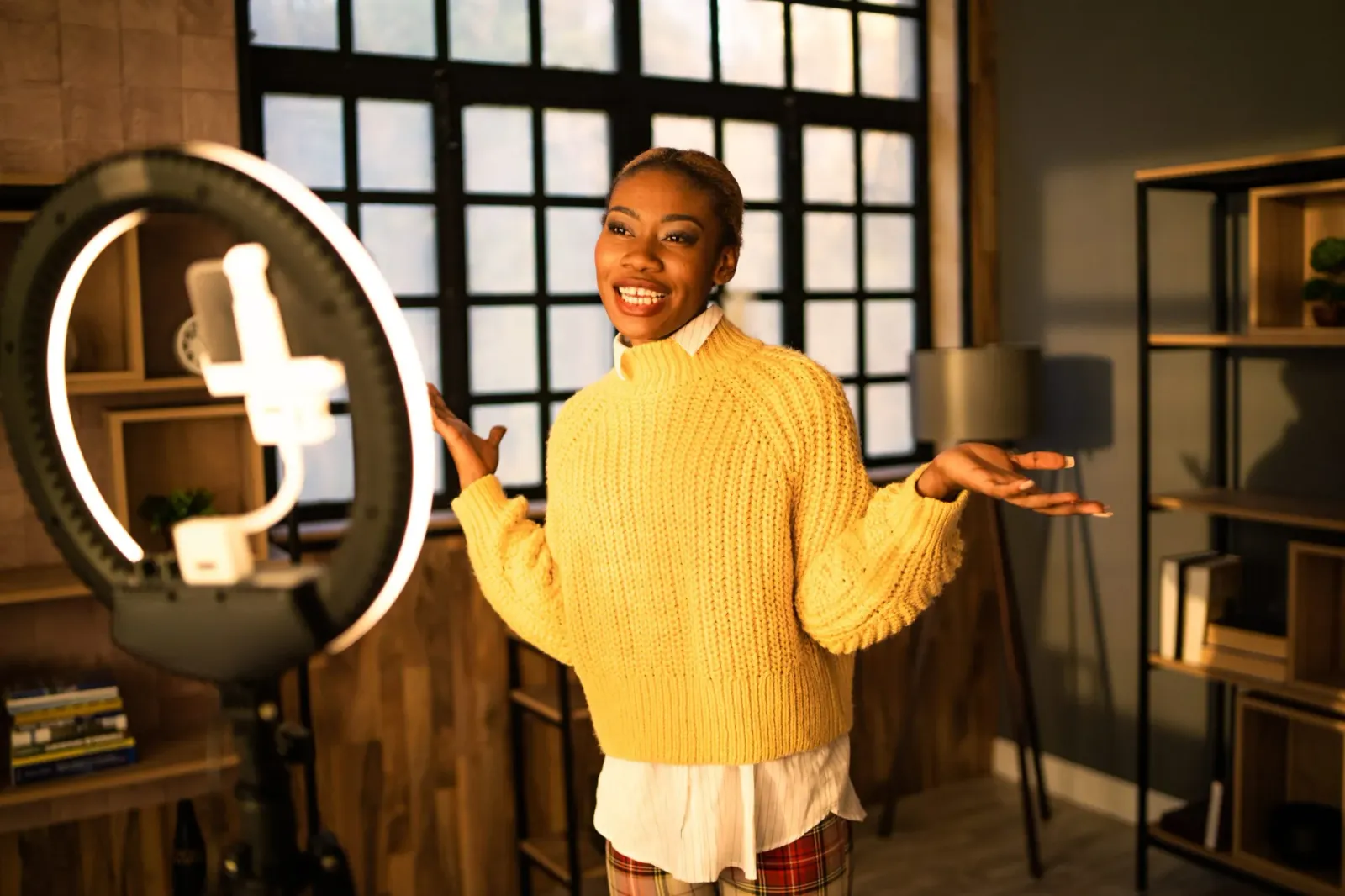
Fortune reports that creator marketing is moving from experimental tactic to dominant strategy as brands expand creator advertising budgets. A 2026 Influencer Marketing Hub survey found 72.2% of respondents expect influencer marketing budgets to increase by at least 50% this year.
Influencer marketing has graduated from “test and learn” to something closer to a business line. Fortune reports that a 2026 Influencer Marketing Hub survey found 72.2% of respondents expect influencer marketing budgets to increase by at least 50% this year. That is not a subtle shift. It is a signal that creator partnerships are now treated like core advertising infrastructure, not a side quest.
And the reason is straightforward, even if the execution gets complicated fast: the advertising industry is trying to stay persuasive without losing trust. Fortune frames the change as a move from one-way brand messaging, like classic TV ads, to a world where the messenger looks like a neighbor, friend, or community leader. According to creator economy expert Lia Haberman, writing in Fortune, “Starting about 20 years ago, we began trusting individuals more than institutions.” In other words, brands are betting that social recommendations feel more natural than corporate messaging, and that audiences have evolved their definition of credibility.
To understand why boards and senior marketing leaders should care, zoom out one step. Social platforms expanded word of mouth from casual conversations into interest-based communities. That matters because influencer marketing does not just reach people. It routes attention through relationships. Creators, especially in beauty, wellness, and fitness, often produce content that naturally fits their day-to-day routines, blurring entertainment and advertising. Bloom Nutrition is cited as one example of how this can become structural: founded by creators Mari Llewellyn and Greg LaVecchia, it built creator partnerships into its business from the beginning. Fortune reports that Craig Heyne, VP of Performance Marketing at Bloom Nutrition, described creator partnerships as “a major pillar of our marketing mix overall.”
What changes when influencer marketing becomes “dominant” is how brands manage risk and authenticity. Fortune highlights a shift in creative collaboration. Many brands previously relied on handing influencers scripts after campaigns were finished. Now, they often bring creators into the process earlier, including product feedback and campaign concepts. Heyne’s point is direct: some brands say “we want you to be authentic,” but then “give you all their talking points.” Bloom’s approach, as Fortune describes it, is to give creators room to make content in their own voice because audiences can tell when recommendations feel genuine.
This is where the budget growth becomes more than a media-planning story. When 72.2% of respondents expect at least 50% growth, the bottleneck turns into quality control and performance measurement. Not every creator partnership scales the same way. Bloom’s early proving grounds, as Fortune notes, were categories that align with creators’ everyday content, like workout videos, makeup tutorials, and “get ready with me” routines. That category fit influences conversion, but it also influences trust. If the content reads like it belongs in the creator’s real routine, audiences are more likely to treat it like a recommendation rather than an ad.
Meanwhile, competition is shifting. Fortune quotes Lindsay Brillson, executive creative director at Pika, saying “The bar will be much higher for people who make it because they'll need to be really unique and have a very interesting point of view.” When more brands fund creator content, the crowding problem does not disappear. It intensifies. The second-order consequence is that creators need differentiation, not just reach. Fortune also notes that AI can help creators meet higher expectations by speeding up editing, scripting, and production. But the important nuance is that AI is framed as a production accelerator, not a replacement for creative work.
There is another twist: going viral can reduce the intimacy that makes influencer marketing work in the first place. Fortune includes Haberman’s warning that mega creators like MrBeast or Alix Earle can start “turning into the institutions they disrupted in the first place.” When someone becomes ubiquitous, they may stop feeling like a person you know. That matters for brand trust because the whole premise is that recommendations feel personal. As Haberman is quoted, the next chapter should reward expertise and trust over sheer scale, with the “recommendations from trusted sources, influencers who are subject matter experts and employees” being the ones that “actually stick.”
So for executive teams, the strategic stakes are clear. Creator marketing budgets are expanding rapidly, and they will not be judged as experiments anymore. They will be judged like repeatable business systems: can brands scale creator partnerships without turning them into generic messaging, can creators maintain uniqueness and credibility as platforms amplify them, and can marketers keep trust intact while optimizing performance. In a market where the messenger changed decades ago and now the budgets are following, the differentiator is no longer whether you use creators. It is whether you can keep them sounding like themselves while tying that authenticity to measurable results.
This story's Key Insights and Take-aways are locked.
Create a free account to unlock Executive Actions for one credit.
Register to UnlockAlways free for Executives Club members. Join the Club
More in Business

Anthropic’s Levant Alpöge cracks the Jacobian conjecture after 87 years
A Harvard valedictorian used Claude to hit a 1939 breakthrough, but the missing “why” is the real problem.

Uber buys Delivery Hero for nearly $15B, vaulting to top food delivery outside China
The deal doubles Uber's dual-services footprint and pushes a ride-and-eats bundling play into 50 more markets.

Epic and Google drop settlement bid, forcing rival Android app stores by July 22
Google told the court it is ready to carry third-party app stores starting Wednesday, July 22.