

CrowdStrike CEO says AI security fears will boost demand
George Kurtz says worries around Anthropic's Mythos are too early to hit first-quarter results, and could turn into a tailwind as AI security concerns grow.
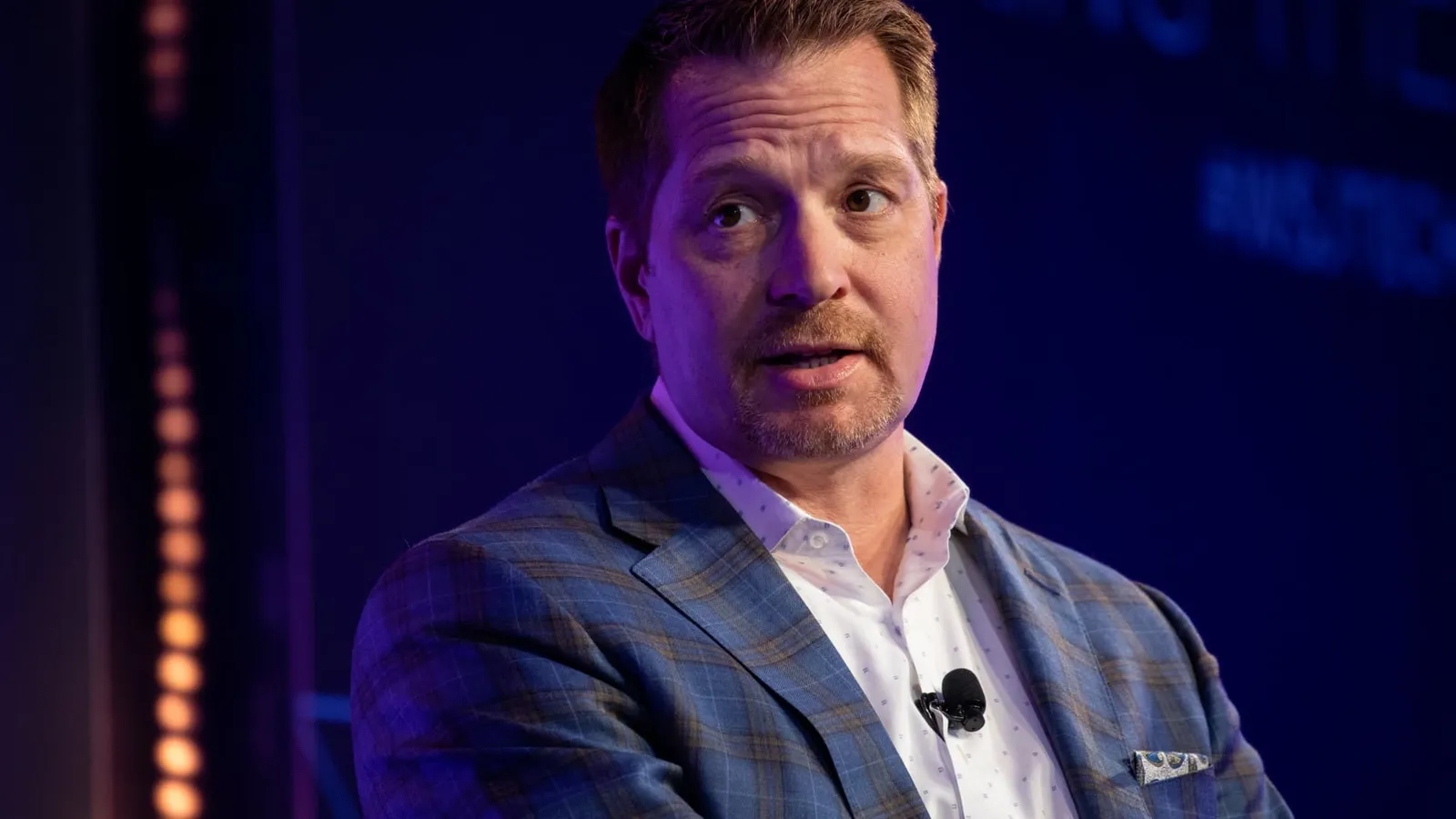
CrowdStrike CEO George Kurtz said concerns surrounding Anthropic's Mythos are too early to meaningfully affect first-quarter results. The bigger consequence for decision-makers: AI security anxiety may end up helping security vendors more than hurting them, especially if buyers rush to harden systems.
CrowdStrike CEO George Kurtz is telling investors not to overread the latest AI security anxiety. His message was simple: concerns surrounding Anthropic's Mythos are too early to meaningfully impact first-quarter results. In other words, whatever the market is fretting about right now has not yet shown up in a way that changes the quarter CrowdStrike is about to report.
That matters because it gives a clean read on how fast a narrative can move from headline to revenue. Kurtz is also making a bigger bet on where the industry is headed: AI security fears will become a larger tailwind in coming quarters. For security buyers, the logic is straightforward. The more businesses adopt AI tools, the more they worry about what those tools can expose, automate, or break. And when that worry gets real enough, spending tends to follow.
There is a useful backdrop here. Cybersecurity companies often benefit when a new technology creates a new category of risk, because every fresh workflow becomes another surface to defend. AI is already doing that in a very public way. Enterprises are racing to experiment, but they are also trying to figure out who can access models, how sensitive data moves through them, and what happens if attackers use the same tools to scale their own operations. That is why even a story that starts with concern can end with more demand for security software. CrowdStrike's pitch is that AI does not only create a threat; it creates a budget line.
The timing angle also matters. Kurtz said the Mythos concerns were too early to meaningfully affect first-quarter results, which signals that the issue is more about sentiment than immediate financial damage. For public companies, that distinction is everything. Investors care about whether a risk is a short-term wobble, a later-quarter slowdown, or a full-on reset in purchasing behavior. CrowdStrike is essentially saying the market may be hearing the alarm bell before the spending impact arrives. That buys the company time, and it also gives management room to frame AI security as an emerging opportunity rather than a near-term hit.
For executives, this is the part worth watching. AI adoption is no longer a theoretical boardroom conversation. It is colliding with practical questions about security, compliance, and control. When a company like CrowdStrike says AI security fears should become a tailwind, it is pointing to a familiar pattern in enterprise tech: new risk expands the market for the companies that can help manage it. That has been true in earlier waves of cloud migration and remote work, and it is likely to be true again as businesses push AI deeper into operations.
The board-level implication is that AI security should be treated as both a risk item and a growth category. On the risk side, leadership teams need to understand how AI tools are being used internally, what data they touch, and where exposure could spread. On the growth side, security vendors will increasingly frame their products as essential infrastructure for safe AI adoption. If CrowdStrike's view proves right, the winners will not just be the companies building AI features, but also the ones making AI deployment feel safe enough for procurement teams, CISOs, and boards to approve.
For peers in software, infrastructure, and enterprise tech, the message is blunt: AI risk is not only a cost center story. It can become a revenue story very quickly. If concerns around Anthropic's Mythos stay too early to hit results now but keep building in the background, that gives security vendors a clean narrative for the rest of the year. The strategic stakes are simple. As AI gets more powerful, the companies that help enterprises sleep at night may end up with the stronger tailwind.
This story's Key Insights and Take-aways are locked.
Create a free account to unlock Executive Actions for one credit.
Register to UnlockAlways free for Executives Club members. Join the Club
More in Technology

OpenAI says 10,000 agents cracked a 90-year math problem in 88 hours
The company's claim is audacious, but one mathematician is pushing back. Here's what it means for AI-driven discovery.
Meta still serves child sexual abuse ads on Instagram in India - BBC report
A new report following the BBC Eye investigation says the ads are still there - what it signals for every platform with a self-serve ad engine.

White House yanks 'Build the Wall' game after Tetris Company copyright warning
The administration's arcade game vanished in hours - and the takedown playbook every brand can learn from.