

Curry Barker’s original horror lands at Universal with Blumhouse, Atomic Monster
The Obsession filmmaker is writing, directing, and producing a new horror feature, reshaping pipelines for three studios.
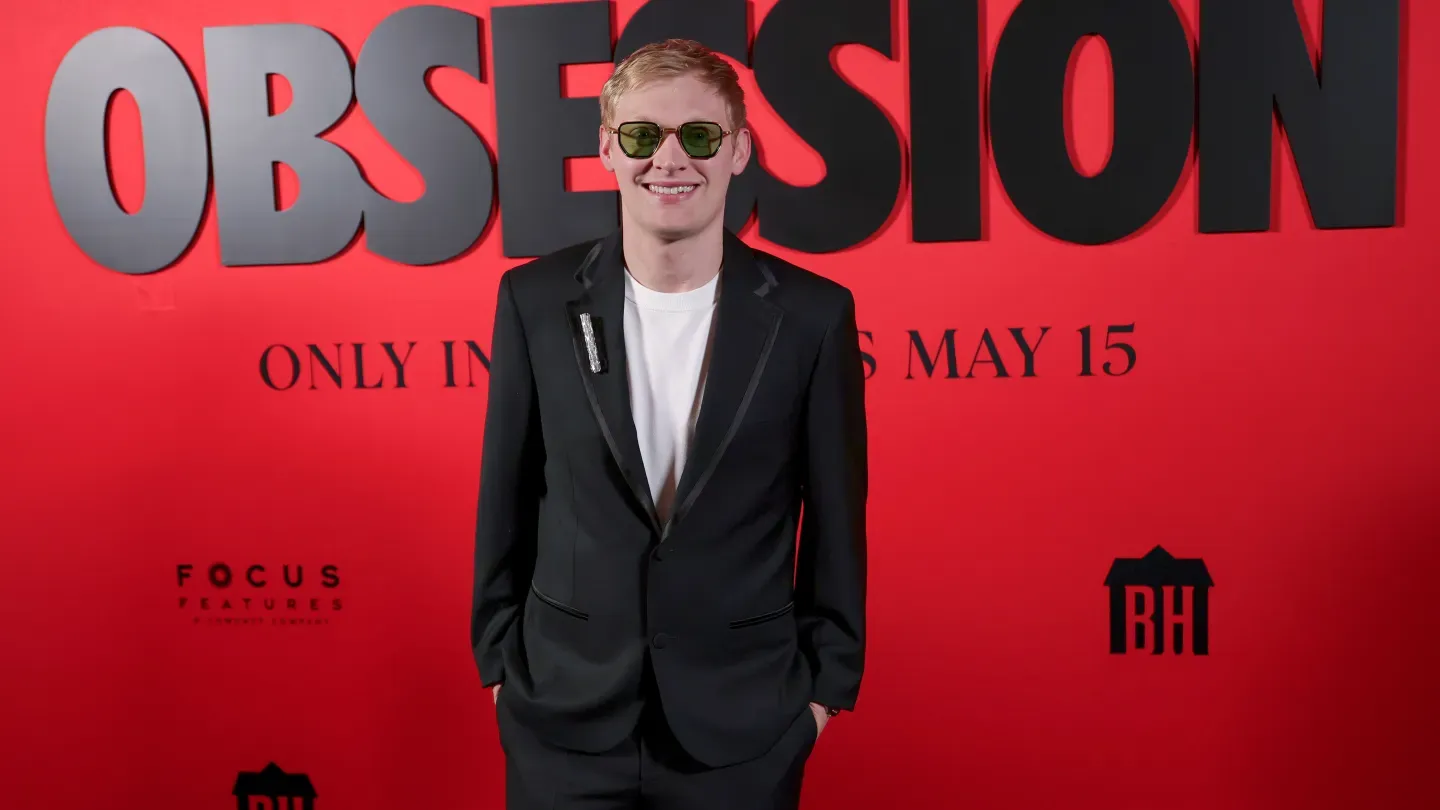
Curry Barker, the filmmaker behind Obsession, is developing an original horror feature for Universal, with Blumhouse and Atomic Monster involved. The deal matters to decision-makers because it signals where risk, creative control, and production momentum are being concentrated next.
Curry Barker, the filmmaker behind Obsession, is taking the driver’s seat on a new project: an original horror feature that lands at Universal, with Blumhouse and Atomic Monster attached, according to The Hollywood Reporter (Exclusive). Barker will write, direct, and produce the film, which is a rare triple-hat setup in a genre that lives or dies on tone.
For executives, the signal is simple. Universal is not treating this as a passive option; it is co-developing a feature through partners known for getting horror budgets and release strategies aligned with what audiences actually show up for. When an auteur is brought in to write, direct, and produce, it usually reflects a belief that creative consistency matters as much as cost discipline. And in horror, consistency often means one thing: the movie’s rules of fear have to feel coherent from scene one to the final scare.
This is also a company-mix story. Universal brings scale and distribution leverage. Blumhouse is built around a model that historically tries to maximize output and upside by pairing recognizable genre branding with leaner production discipline. Atomic Monster, meanwhile, is a recognizable creative home in the horror ecosystem, associated with premium genre execution. Put together, you get a development posture that aims to reduce the “who owns the movie” friction that can quietly wreck timelines. Barker writing and producing from the start means fewer downstream rewrites forced by handoffs, fewer late pivots to chase market temperature, and, ideally, a clearer path from script to shoot.
Why does this matter now? Because the modern studio pipeline runs on calendars, not vibes. Once a film lands with major players, it competes for physical resources: production slots, post-production bandwidth, marketing attention, and festival or release windows that do not wait around. A director-producer setup can compress decision cycles. If Barker is already producing, then creative questions and production realities are being answered by the same person, which typically shortens the feedback loop. Shorter loops are valuable when marketing teams need to understand the package early, and when budget owners need to forecast risk without guessing which creative direction will survive.
There is also the audience-side implication, and it is one studios cannot ignore. Horror is one of the most repeatable genres in terms of audience behavior because the product promise is clear. That makes it a natural target for partner ecosystems that have learned how to translate creative intent into marketable expectations. If you are a board evaluating performance, you care less about the word “original” as a marketing line and more about whether “original” means “fresh voice with controllable execution.” Giving Barker authority over writing, directing, and producing suggests the production is betting that originality can be operational, not just artistic.
Regulatory and policy considerations do not typically dominate horror film development headlines, but the business still lives in a reality shaped by incentives and constraints. Film and content businesses operate within rating expectations and local regulatory frameworks, and those constraints can affect edit decisions, release strategies, and distribution plans. In practice, having a clear creative plan early can help teams anticipate how a film will be evaluated for audience suitability and how that evaluation influences the final cut. In other words, creative control up front often reduces compliance friction later.
Look at the second-order effect for peers in adjacent roles, like production executives, creative executives, and studio heads of development. Deals like this create a benchmark for how studios collaborate. Universal and genre-specialist partners are effectively aligning incentives: studios want a bankable genre product, partners want a distinctive creative footprint, and a director-producer wants control that protects the vision. If other filmmakers see this as a pathway where authority is rewarded, it can raise the bar for how studios structure development negotiations, especially around who owns the script and who signs off on creative changes.
Strategically, this move also helps Universal manage its portfolio risk. Horror can be comparatively scalable relative to tentpole projects, and partner ecosystems can absorb part of the variance in exchange for upside alignment. For Blumhouse and Atomic Monster, it continues a clear pattern: invest in projects where creative identity is not diluted. For Barker, it is the kind of platform that can turn an established directing profile into a repeatable producing and creative brand. In a business where momentum often determines who gets the next budget, landing at Universal with these partners while retaining full authorship is leverage.
Bottom line: Barker’s original horror feature is not just a new title in development. It is a statement about where authority, risk, and execution are being concentrated, and it gives Universal, Blumhouse, and Atomic Monster a shot at a genre product built from the same creative hands that will carry it all the way through.
This story's Key Insights and Take-aways are locked.
Create a free account to unlock Executive Actions for one credit.
Register to UnlockAlways free for Executives Club members. Join the Club
More in Entertainment

Russell Brand's accuser 'bewildered and confused' as he denies 7 sex charges
The criminal case against the comedian is a live test of how media companies manage talent risk when serious allegations go public.

'It's a Magic Trick': Ballet Experts Say Rosalía's SNL Pose Is Impossible
Three ballet experts tell Rolling Stone Rosalía's gravity-defying SNL stillness shouldn't be possible - and why the debate is now part of the show.

Activision CMO: GTA 6 Will Boost Call of Duty, Not Bury It
Activision's top marketer says Rockstar's blockbuster will drive players back to consoles and into Modern Warfare 4, even as the company admits its recent strategy failed.