

Daniel Lanois dissects U2, Bob Dylan, and Peter Gabriel hits in a Rolling Stone career map
The legendary producer explains how iconic records get made, and what it means for anyone funding creative bets.
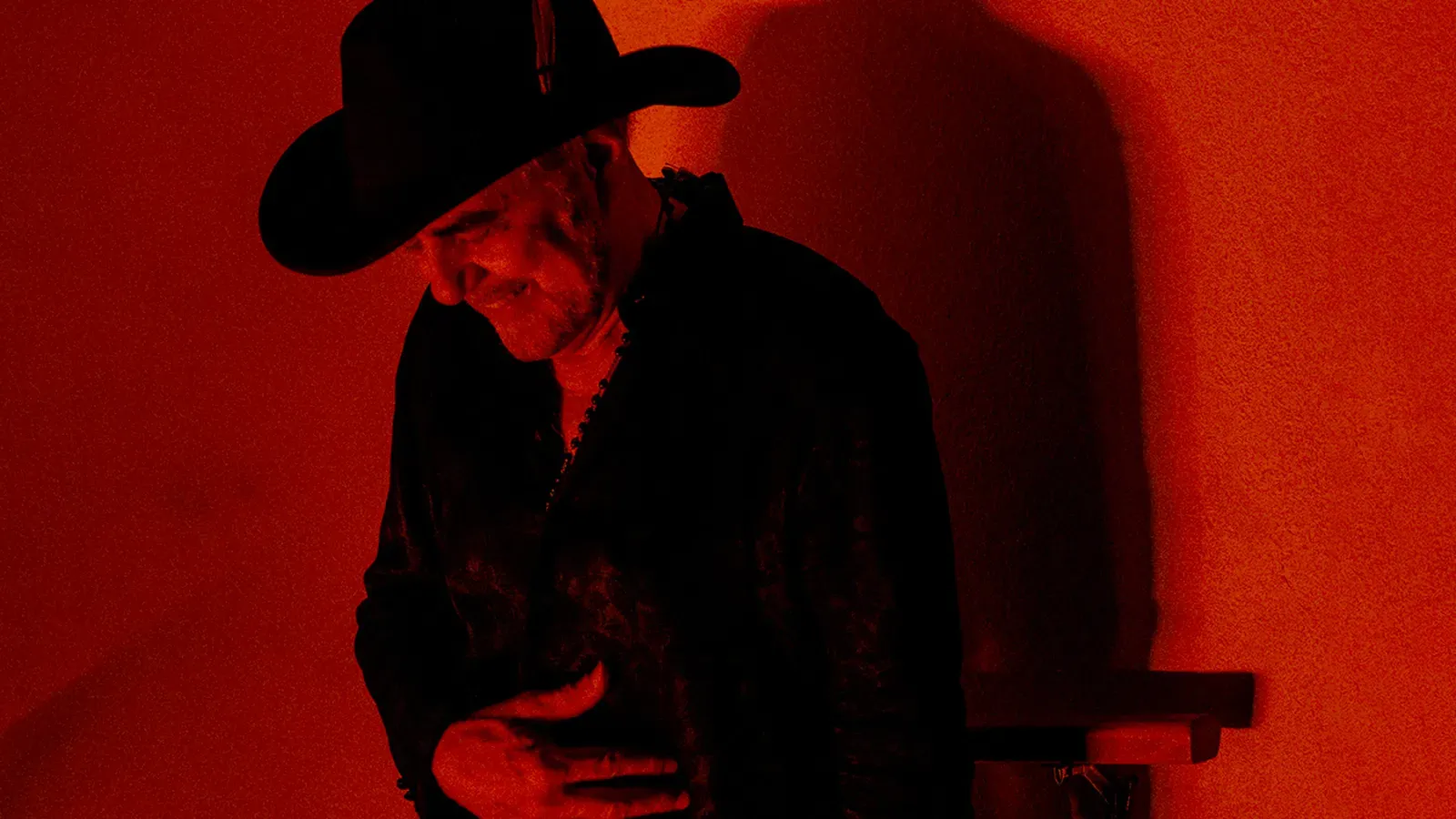
Daniel Lanois, the legendary producer, discusses his life in music in a super-sized Rolling Stone interview. The conversation traces the craft behind major albums including U2's The Joshua Tree, Bob Dylan's Time Out of Mind, and Peter Gabriel's So.
Daniel Lanois is not exactly the kind of person you expect to find in the same sentence as a “career map.” Yet in a super-sized new Rolling Stone interview, the legendary producer goes deep on how some of the biggest, most durable albums are actually built. The trail is specific and high-signal: U2's The Joshua Tree, Bob Dylan's Time Out of Mind, and Peter Gabriel's So. Not “influences,” not “vibes.” Real projects, real eras, real outcomes.
And that matters because Lanois’ subject is not music as folklore. It is music as process. In the interview, he digs into the making of albums that audiences still treat like landmarks, records that helped define mainstream taste while staying artistically sharp. If you are a decision-maker, an operator, or an investor watching creative industries from the outside, this is the kind of behind-the-scenes framing that turns “art” from a black box into something you can plan around. Lanois is essentially offering a production blueprint: how craft, sound, and collaboration converge to produce work that holds up after the trend cycle moves on.
Start with U2’s The Joshua Tree, an album that sits at the intersection of songwriting scale and production detail. Lanois’ presence in that orbit is the point of the story here. He is the kind of producer whose fingerprints often show up less as “more stuff” and more as better structure. In business terms, think of it like moving from brainstorming to systems. When a record works, the listener feels it as cohesion. When it doesn’t, you feel the seams. Lanois’ career is a case study in how a producer can tighten those seams until the whole thing reads as inevitable.
Then there is Bob Dylan’s Time Out of Mind, another reference point in the interview. Dylan’s late-career mystique is often framed as a reinvention arc, but the album is also a reminder that reinvention is a production problem as much as an artistic one. The second-order implication for anyone funding or managing creative output: the “story” is not just what the artist writes. It is how the work is recorded, shaped, and made to land. The same talent can produce very different outcomes depending on recording approach and the producer’s control of texture and dynamics.
Finally, Peter Gabriel's So rounds out the triangle. The interview positions Lanois within a set of projects where innovation does not come from novelty for novelty’s sake. It comes from decisions that make the listening experience feel immediate. Again, the strategic translation is straightforward. Creative teams do not win by being unpredictable. They win by being intentional and repeatable in the parts that matter. A producer like Lanois becomes a kind of quality-control layer, a bridge between an artist’s vision and the final artifact that the public actually consumes.
Now, zoom out to what this means for the kind of executives who rarely read music interviews but still depend on the same economics. Creative industries live on risk. Labels, studios, platforms, and investors back projects where outcomes cannot be mathematically guaranteed. In that world, craft expertise is not decorative. It is a risk management tool. A strong producer reduces variance by building a path from concept to finished sound. That can influence budgeting, staffing, timelines, and decision-making authority inside a creative organization. Even if the source is focused on music, the governance lesson is universal: when you are dealing with high-skill work, “process” is how you protect your upside.
There is also a broader industry context worth keeping in mind. The music ecosystem is heavily shaped by regulation and policy in adjacent areas, from how rights are administered to how royalties and licensing are handled. Those mechanics can affect incentives for artists and producers and the long-term value of recorded work. When iconic albums remain commercially relevant years later, the returns are not only cultural. They can be economic, too, because legacy catalogs generate ongoing licensing and streaming revenue. Lanois’ emphasis on making albums that endure is, indirectly, a reminder that durability is a financial asset.
The strategic stakes for peers in similar roles are simple: if you are managing creative output, the lesson from Lanois’ career is that greatness is built, not wished for. The artist brings the voice. The producer helps decide the shape of the world around that voice. And in a business sense, that can be the difference between a project that peaks and one that becomes a reference point for the industry. In a Rolling Stone interview that ties together U2, Bob Dylan, and Peter Gabriel through Lanois’ perspective, the takeaway is that production decisions are not side quests. They are the engine.
This story's Key Insights and Take-aways are locked.
Create a free account to unlock Executive Actions for one credit.
Register to UnlockAlways free for Executives Club members. Join the Club
More in Entertainment

'It's a Magic Trick': Ballet Experts Say Rosalía's SNL Pose Is Impossible
Three ballet experts tell Rolling Stone Rosalía's gravity-defying SNL stillness shouldn't be possible - and why the debate is now part of the show.

Activision CMO: GTA 6 Will Boost Call of Duty, Not Bury It
Activision's top marketer says Rockstar's blockbuster will drive players back to consoles and into Modern Warfare 4, even as the company admits its recent strategy failed.

Justice to Score GTA 6, Share New Song with Tame Impala, SZA, King Gizzard
Rockstar taps the French duo for the GTA VI score, and the first taste is a genre-melting collab with Tame Impala, SZA, and King Gizzard & The Lizard Wizard.