

David Zaslav risks losing Barbie sequel rights as Mattel deadline hits
Warner Bros. is reportedly weeks from losing the sequel license, over profit-share disputes and contract “too generous” rejections.
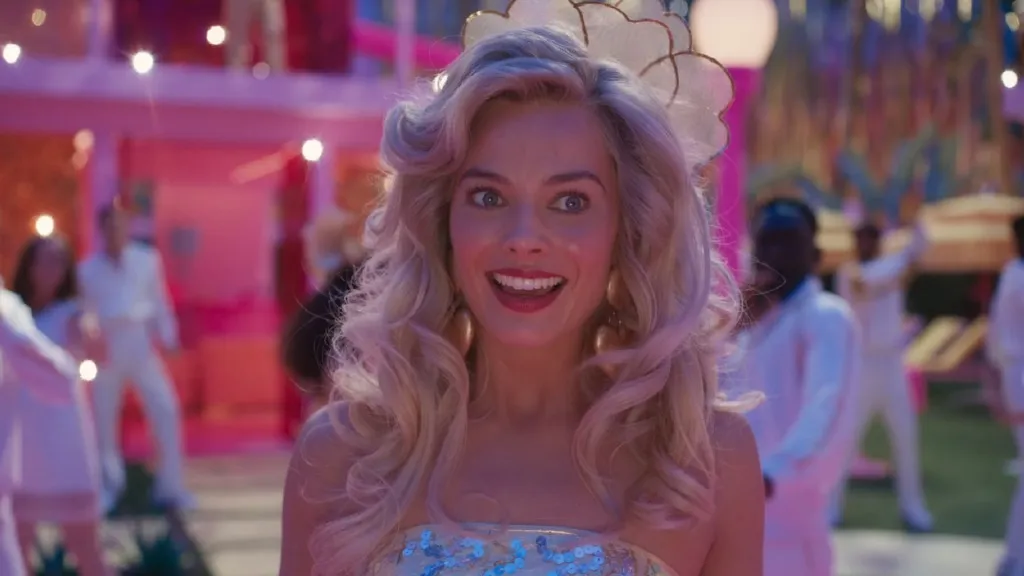
Warner Bros. CEO David Zaslav is reportedly blocking deals for a Barbie sequel, with THR saying the studio is five months away from losing rights to make another Barbie movie that revert to Mattel in December. For decision-makers, the delay is not just creative timing, it is a licensing clock tied to incentives, regulators, and leverage dynamics across major studios.
Three years after Barbenheimer detonated, the Barbie sequel still is not officially in development, and THR reports a hard deadline is driving the mess. Warner Bros. CEO David Zaslav is reportedly rejecting deals for the film principals, and the studio is now just five months away from losing its rights to make another Barbie movie. Those rights revert to Mattel in December.
That timeline matters because it flips the usual assumption after a billion-dollar international hit: sequels are typically the default. Here, the sequel is stuck in contracting limbo, while the clock runs toward a rights reset that could force Warner to renegotiate from scratch. THR also ties the dispute to profit-sharing terms, and reports that Zaslav’s camp is pushing back by calling the proposed terms “too generous,” even as Greta Gerwig and Noah Baumbach (who initially denied it) reportedly say they have another story they want to tell in this world, “for the right price.”
Let’s rewind to why the sequel would feel obvious, then zoom out to why it is not. Barbie, after all, was not just a hit. It is described here as a satirical comedy that eventually grossed $1.4 billion at the international box office. And over time, Gerwig, co-writer Noah Baumbach, and stars Margot Robbie and Ryan Gosling all sounded tentatively game for a return to Barbieland. If you are running a studio, that is the kind of success pattern that usually turns “maybe” into “we are booking creative and talent next.” But Warner Bros. is not there.
Instead, Warner is reportedly operating under a very specific structural weakness: it did not lock Gerwig, Baumbach, Robbie, and Gosling into sequel commitments when the first Barbie was being developed. The source says Warner was hot enough on Gerwig writing and directing that when she and the stars pushed back on a sequel guarantee, the studio gave in to make the first movie happen. That matters because, without those early sequel rights locked down in a clean way, you do not automatically get a sequel roadmap once the first film proves profitable. You get a negotiation, and negotiations are where “tight-fisted” decisions can become time bombs.
Profit-sharing is at the center of the dispute. THR reports that the deals on the table include increased compensation and profit participation for all involved if the sequel hits certain box office targets. The source frames this as a familiar incentive design: a performance milestone triggers bigger payouts. It also compares it to the system Disney used to keep its Marvel actors locked down for years, where bonuses are structured around milestones. Put simply, talent wants upside, studios want controlled risk, and both sides try to translate a hit into a contract that reflects future uncertainty.
According to THR, Warner Bros. rejected the deals set up for the film’s principals because David Zaslav’s approach was “too generous,” and the negotiating friction reportedly ties back to how profit participation should work. Meanwhile, Warner’s response to the narrative is also in the mix. The studio reportedly discounts the reports and claims delays are the fault of talent. It says talent reportedly rejected an offer in March and has not made a counter. So the dispute has two versions: THR’s “Zaslav’s stinginess” explanation and Warner’s “talent rejected and did not respond” explanation. In either version, the consequence is the same: time passes, and the rights clock keeps ticking.
This is not happening in a vacuum, either. The source notes Warner Bros. is currently “weathering chaos” as state regulators work to block its attempts to sell itself to the highest bidders at Paramount. That regulatory pressure is important because it affects studio bandwidth and bargaining posture. If corporate strategy is uncertain, leadership often becomes more conservative about spending, risk, and commitments that cannot be easily unwound. And if a sale process is under scrutiny, the incentives to preserve cash, avoid contentious liabilities, or reduce exposure to open-ended profit-sharing agreements can rise fast.
Second-order implications follow quickly for executives beyond Warner. First, talent leverage is real when a film is culturally massive and creatively distinctive, but it is not absolute. If a studio did not secure sequel commitments upfront, the follow-on becomes hostage to new negotiation terms and executive discretion. Second, licensing is not eternal. The source is explicit that Warner’s rights revert to Mattel in December, and THR says the studio is five months away from losing them. That means contract timing can become existential for a slate decision, not just a scheduling inconvenience.
For board members, CFOs, and studio executives watching adjacent franchises, the broader lesson is blunt: incentives, deal structure, and corporate distraction can turn a straightforward sequel into a deadline-driven scramble. When leadership rejects terms as “too generous,” and when early sequel guarantees were not secured, the cost is not just negotiating friction. It could be losing the ability to make a Barbie sequel at all under existing rights, forcing the studio into a December reset with Mattel. In Hollywood, a rights clock can be louder than opening weekend numbers.
This story's Key Insights and Take-aways are locked.
Create a free account to unlock Executive Actions for one credit.
Register to UnlockAlways free for Executives Club members. Join the Club
More in Business

Anthropic’s Levant Alpöge cracks the Jacobian conjecture after 87 years
A Harvard valedictorian used Claude to hit a 1939 breakthrough, but the missing “why” is the real problem.

Uber buys Delivery Hero for nearly $15B, vaulting to top food delivery outside China
The deal doubles Uber's dual-services footprint and pushes a ride-and-eats bundling play into 50 more markets.

Epic and Google drop settlement bid, forcing rival Android app stores by July 22
Google told the court it is ready to carry third-party app stores starting Wednesday, July 22.