
DAZN drops World Cup broadcast exclusivity in Japan to widen reach
The streaming sports rights player is changing its Japan strategy, and rivals may feel the ripple effect.
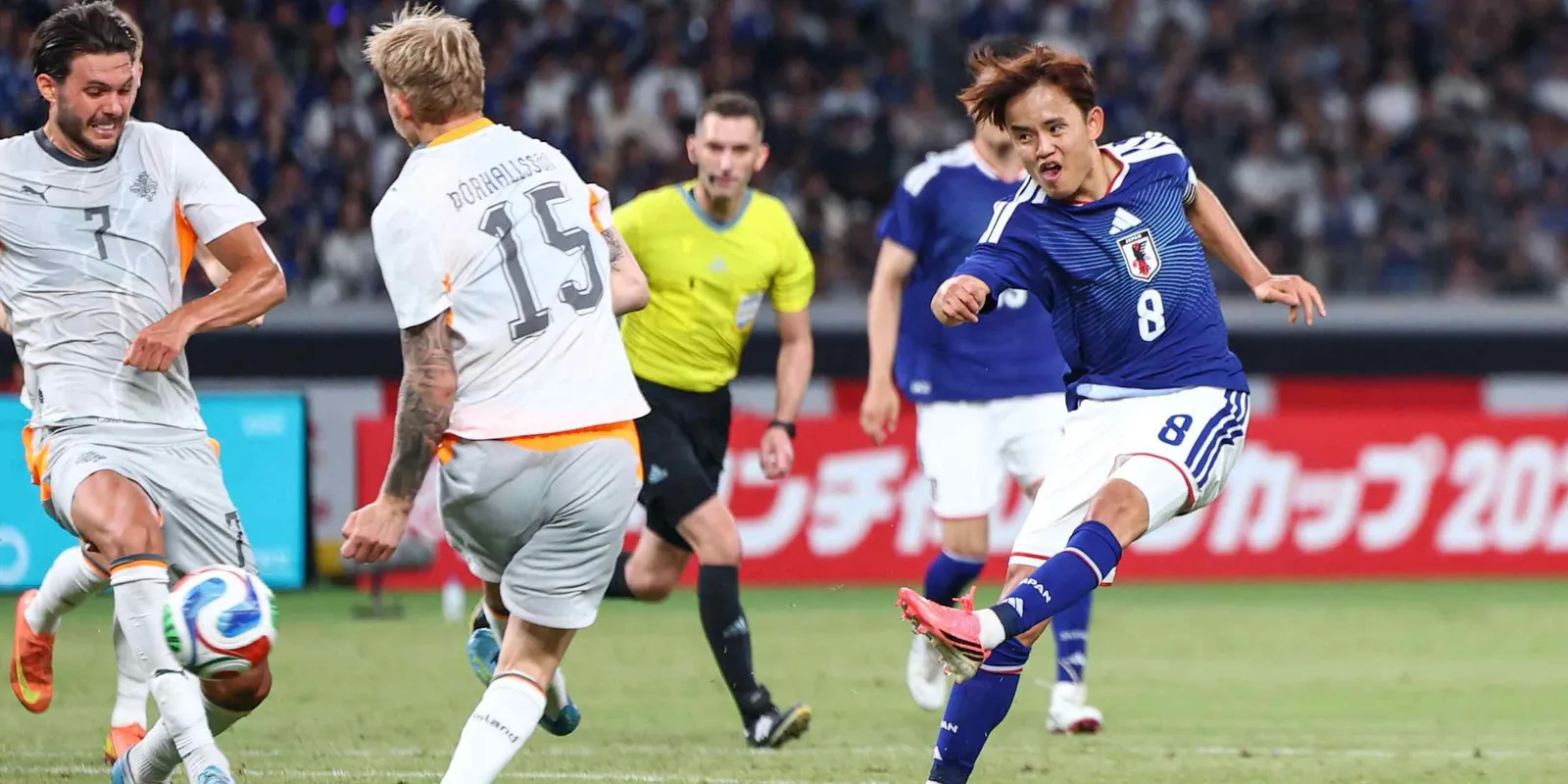
DAZN will forgo World Cup broadcast exclusivity in Japan as it pursues broader reach. For decision-makers, the shift signals how rights holders are rebalancing exclusivity versus distribution to grow audience and revenue.
DAZN is changing the way it plans to bring the World Cup to Japan. According to Nikkei Asia, the streaming service will forgo World Cup broadcast exclusivity to expand its reach in Japan. In plain terms: DAZN is dialing back the “only place to watch” advantage, betting that more viewers and more partner distribution can outweigh the exclusivity premium.
This is a meaningful pivot because exclusivity has traditionally been the lever rights holders use to pull customers in. If DAZN gives up the exclusivity that typically helps justify higher pricing or faster subscriber growth, it needs another path to scale. The “expand reach” message is the trade. DAZN is telling the market it wants to be everywhere the audience is, rather than trying to win by being the only gate.
To understand why this matters, it helps to remember how sports streaming rights work in Japan. World Cup coverage is a high-demand, time-bound event with a strong pull on casual and hard-core fans. That puts DAZN and its competitors in a high-stakes negotiation environment where rights can be expensive, but audience attention during major tournaments is also extremely valuable. In that setting, exclusivity is not just a marketing tagline. It is a structural advantage that can reduce churn during the event window, concentrate viewership, and create bargaining power around carriage and bundling.
So why would a company voluntarily reduce that advantage? One reason is simple math: if the goal is total reach, exclusivity can become a constraint. In crowded viewing ecosystems, some households may not be in a position to subscribe to one platform. Others might prefer watching through pay TV, mobile bundles, or existing distribution partners. If DAZN can widen availability without being the sole broadcaster, it potentially grows the addressable audience. More eyeballs also matters because sponsors, advertisers, and rights economics tend to respond to reach.
The second-order implication is about competitive behavior. When a rights holder steps away from exclusivity, it can change how rivals assess the value of locking up rights. Competitors that expected DAZN to keep the “exclusive moat” may need to re-price their own strategies. If DAZN is signaling that it will prioritize distribution over exclusivity, other platforms might respond by pushing for their own availability goals, or by negotiating for joint or non-exclusive pathways that increase total event exposure across services.
There is also a governance and negotiation angle worth watching. Rights deals are often not just commercial arrangements; they can involve multiple stakeholders, including content partners and potentially regulators or government-affiliated bodies when rules affect broadcast and media competition. Even without specific regulatory details spelled out in the Nikkei Asia report summary you provided, the direction is clear: DAZN is making a deal-level choice that affects market structure for how consumers can watch the World Cup in Japan. That means boards and senior executives should see this as a strategic operating model change, not a minor tweak to a marketing plan.
For DAZN leadership and its partners, the strategic question becomes what replaces exclusivity. Reach is the headline substitute, but execution matters. DAZN will need to ensure that expanded availability does not dilute the value proposition of subscribing. If customers can watch through more than one channel, DAZN has to convert attention into retention, using the World Cup as an acquisition event while maintaining ongoing value for the post-tournament calendar.
For peers in similar roles across streaming, telecom distribution, and sports media, this is a reminder that exclusivity is not a religion. It is a tool. DAZN’s decision to forgo broadcast exclusivity in Japan to expand reach, as reported by Nikkei Asia, shows rights holders are willing to rewrite the usual playbook when the audience and business case demand it. If this strategy works, the “only channel” mindset could lose some of its dominance. If it does not, DAZN will need to explain why reach did not convert to sustained subscriber and revenue growth. Either way, the move is likely to influence how the next set of sports rights negotiations in Japan get framed.
This story's Key Insights and Take-aways are locked.
Create a free account to unlock Executive Actions for one credit.
Register to UnlockAlways free for Executives Club members. Join the Club
More in Business

Anthropic’s Levant Alpöge cracks the Jacobian conjecture after 87 years
A Harvard valedictorian used Claude to hit a 1939 breakthrough, but the missing “why” is the real problem.

Uber buys Delivery Hero for nearly $15B, vaulting to top food delivery outside China
The deal doubles Uber's dual-services footprint and pushes a ride-and-eats bundling play into 50 more markets.

Epic and Google drop settlement bid, forcing rival Android app stores by July 22
Google told the court it is ready to carry third-party app stores starting Wednesday, July 22.