
DC kills David Jenkins’ Booster Gold show, and the series still moves forward
Jenkins confirms his version is dead, while DC Studios reportedly replaces the creative team for the HBO Max property.
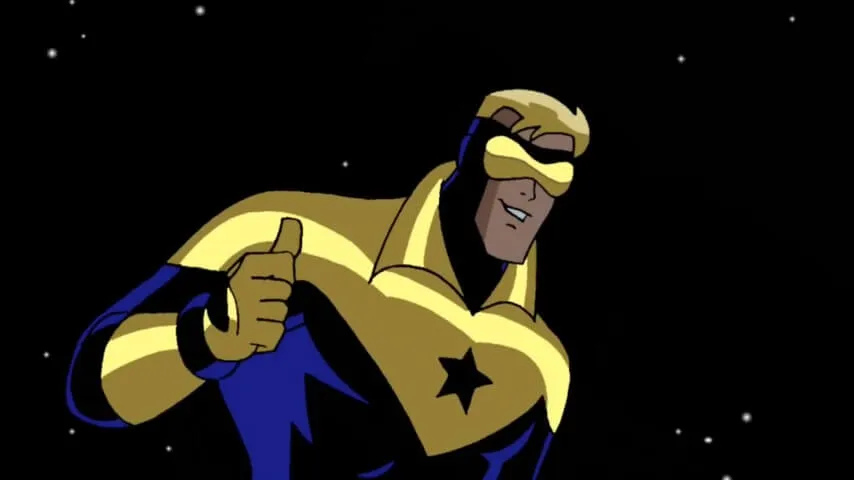
David Jenkins, the Our Flag Means Death creator, says his Booster Gold TV series will not move forward. DC Studios will still move ahead with the property, reportedly with a new creative team, leaving decision-makers to re-evaluate what DC is actually betting on.
DC Studios has reportedly moved on from David Jenkins' Booster Gold TV series, even as the Booster Gold project itself is said to keep going. Jenkins, who created Our Flag Means Death, confirmed on Threads that his version of the show is dead, writing: "My Booster Gold won’t be moving forward." He added, "Can’t improve on Mahershala’s lovely statement so I’ll just apply it here as well," quoting Mahershala Ali’s recent remarks about how, if Marvel really wanted to make his Blade movie, they would have found a way to do it by now.
What makes this matter for anyone tracking DC’s studio strategy is the mismatch between outcomes and momentum: Jenkins’ specific creative path is ending, but The Wrap reports the series will still move forward at DC Studios with a new creative team. So the product may survive, but the authorship behind it is gone. That is a meaningful distinction in entertainment development, where the “same IP” often ends up meaning a very different show, tone, and risk profile.
Zoom out for context. When James Gunn and Peter Safran announced in 2022 that they were taking over Warner Bros.’ flagging DC Comics film and TV brands, they came with a slate of projects that felt, to put it gently, ambitious. Some of those projects have since materialized, including Gunn’s own Superman and Creature Commandos. Other items also moved along in the pipeline, such as Lanterns, described as a “cop show with magic space powers,” and James Watkin’s upcoming “Batman villain as horror creature” feature Clayface.
But not everything from that initial massive slate survived. The A.V. Club notes that several plans were fallen by the wayside or simply ignored as DC rolled out that early inventory of what it intended to pursue. David Jenkins’ Booster Gold TV show is now one of the clearly confirmed examples: Jenkins says his version is not moving forward. For executives, that is a real-time signal of how DC is pruning development, even while it keeps the umbrella IP alive.
Booster Gold itself has always been the kind of character that tempts networks and studios with “potential” while also carrying an audience-sizing question mark. The character has existed primarily on the comedic side of the DC Universe since debuting in the 1980s. His most prominent early appearances were in a run of Justice League comics where the team was treated more like sitcom characters than heroic crimefighters. Over the years, creators have tried to push more dramatic takes on the basic hook: a disgraced sports star from the far future who travels back to our time to get rich and famous while fighting bad guys with stolen future-tech. Still, Booster has often remained a cult favorite rather than an A-list gravitational center.
That context is important because Jenkins’ appeal, at least as implied by the premise, is the fit between character and comedic sensibility. The source frames the show’s core concept as “time-traveling dope tries to get rich with future knowledge,” a premise Jenkins could likely “make a meal out of.” And it is precisely that kind of creative match that studios chase during development, because it can de-risk tone, pacing, and audience alignment before expensive production decisions arrive. When that match breaks, even if the IP continues, it suggests a studio decision about what kind of risk it wants next.
There is also a broader second-order effect hiding in Jenkins’ Threads post. He referenced commentary about Marvel’s Wonder Man cancellation, saying, "I’ve lost the thread. Don’t understand the objective of a streamer anymore I guess." Even without turning this into a grand theory, the subtext for decision-makers is that streaming-era logic is under pressure across the superhero ecosystem. Studio teams are juggling more than “is the script good.” They are also battling internal uncertainty about audience reach, discovery, and how much creative latitude streaming platforms will tolerate.
So what does “new creative team” mean, practically? The source does not reveal names, details, or who might play Booster. It simply says the series will move forward with a new creative team. That usually implies a reboot of sorts, not necessarily a total shutdown of the project’s market rationale. DC may still believe there is value in the Booster Gold premise and character recognition, but it wants different creative leadership to match current priorities. For executives, this becomes a governance question: boards and studio chiefs are effectively managing a portfolio where individual development slates fail, but the overall IP thesis remains.
Strategic stakes are high here because Booster Gold is not a random character. It sits at the intersection of time travel, comedy-to-drama flexibility, and superhero market familiarity. Jenkins’ departure could be interpreted internally as a tone reset, scheduling realignment, or a shift in how DC wants to differentiate itself after Gunn and Safran’s broader slate. At minimum, it reinforces a simple reality for anyone building in this category: DC will adjust, pivot, and replace the creative engine without necessarily scrapping the destination.
For peers watching DC Studios, the lesson is blunt. IP can survive a creative death. But the path to that survival can change fast, and when it does, it changes how quickly teams can align with platforms, audiences, and budget realities. Jenkins’ confirmation is the clearest evidence yet that the industry is still in active reconfiguration, even when the projects you can’t quite see yet are still “moving forward.”
This story's Key Insights and Take-aways are locked.
Create a free account to unlock Executive Actions for one credit.
Register to UnlockAlways free for Executives Club members. Join the Club
More in Entertainment

'It's a Magic Trick': Ballet Experts Say Rosalía's SNL Pose Is Impossible
Three ballet experts tell Rolling Stone Rosalía's gravity-defying SNL stillness shouldn't be possible - and why the debate is now part of the show.

Activision CMO: GTA 6 Will Boost Call of Duty, Not Bury It
Activision's top marketer says Rockstar's blockbuster will drive players back to consoles and into Modern Warfare 4, even as the company admits its recent strategy failed.
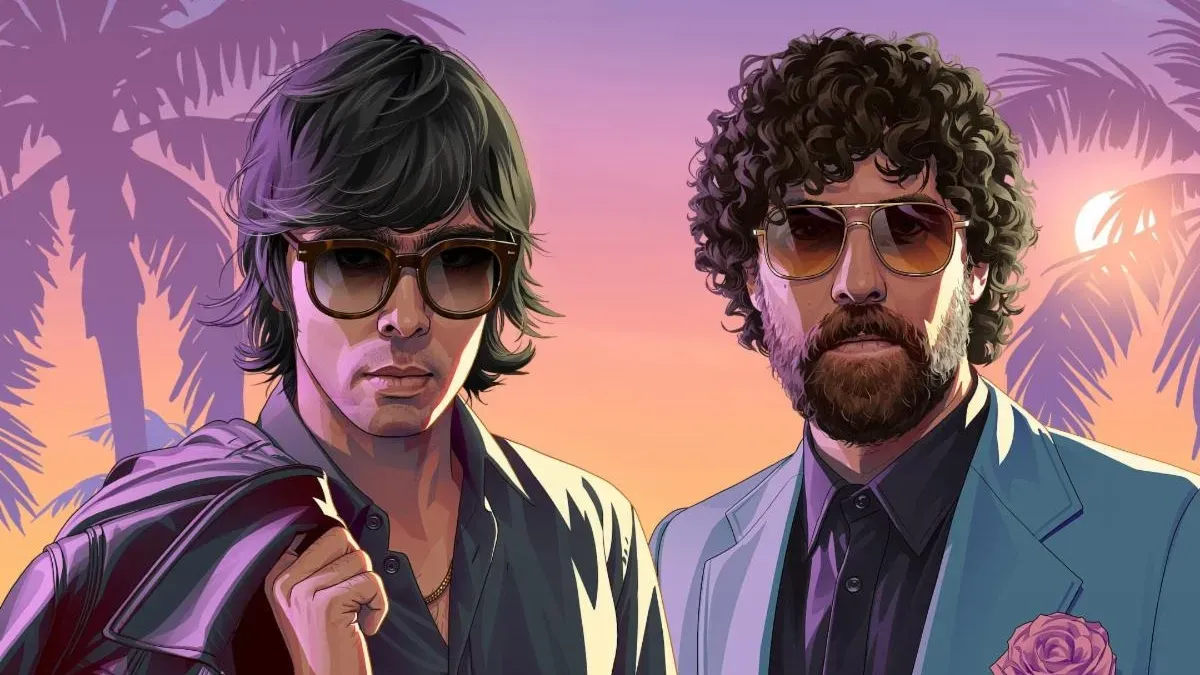
Justice to Score GTA 6, Share New Song with Tame Impala, SZA, King Gizzard
Rockstar taps the French duo for the GTA VI score, and the first taste is a genre-melting collab with Tame Impala, SZA, and King Gizzard & The Lizard Wizard.